

Are there any anti - static features in glass groove polishing wheels?
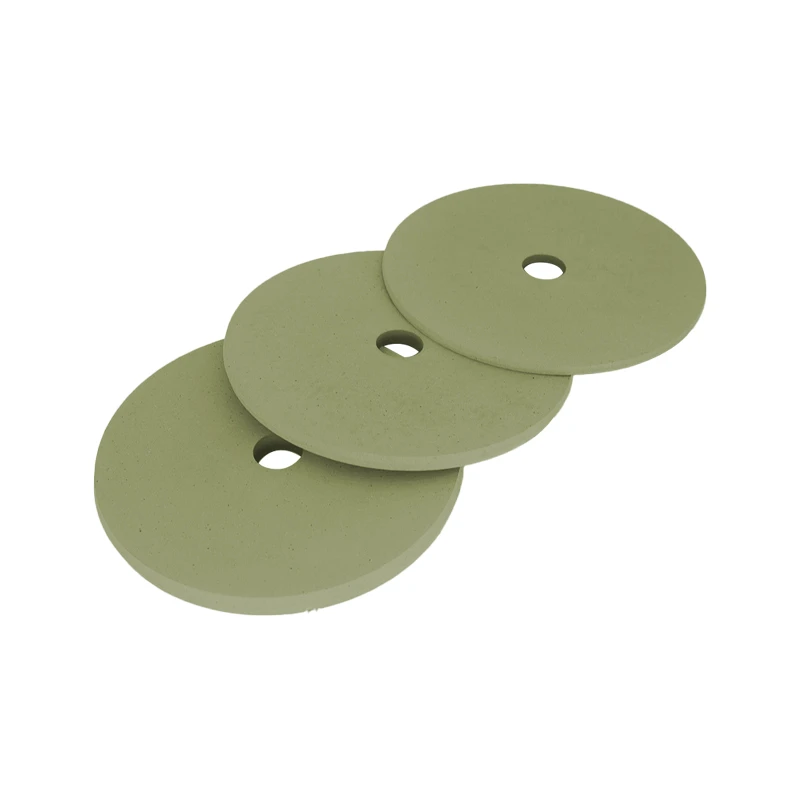
As a supplier of Glass Groove Polishing Wheel, I often encounter inquiries from customers regarding the various features of our products. One question that frequently arises is whether our glass groove polishing wheels possess anti - static properties. In this blog, I will delve into this topic, exploring the significance of anti - static features in glass groove polishing wheels, and whether our products offer such benefits.
The Importance of Anti - Static Features in Polishing Wheels
Before discussing whether glass groove polishing wheels have anti - static features, it is essential to understand why anti - static properties are important in the polishing process. Static electricity can cause a multitude of problems during the polishing of glass grooves. Firstly, static charges can attract dust and debris to the surface of the glass. This can lead to scratches and imperfections on the glass surface during the polishing process, reducing the quality of the final product. Secondly, static electricity can also cause the polishing wheel to accumulate debris more quickly, which may affect the wheel's performance and lifespan. Additionally, in some industrial environments, static electricity can pose a safety hazard, such as the risk of sparking and potential fire or explosion in areas where flammable substances are present.
Factors Affecting Static Generation in Glass Groove Polishing
Several factors contribute to the generation of static electricity during the glass groove polishing process. Friction is one of the primary causes. As the polishing wheel rotates against the glass surface, friction between the two materials can generate static charges. The materials used in the polishing wheel also play a crucial role. Some materials are more prone to static generation than others. For example, certain synthetic polymers may generate more static electricity compared to natural fibers. The speed of the polishing wheel and the pressure applied during the polishing process can also influence the amount of static electricity produced. Higher speeds and greater pressures generally lead to more significant static generation.
Anti - Static Features in Our Glass Groove Polishing Wheels
At our company, we are aware of the potential problems associated with static electricity in the glass groove polishing process. Therefore, we have taken steps to incorporate anti - static features into our Glass Groove Polishing Wheel.
One of the ways we achieve this is by carefully selecting the materials used in the manufacturing of our polishing wheels. We use materials that have inherently low static - generating properties. For example, we may use special blends of fibers and resins that are less likely to generate static electricity during the polishing process. These materials not only reduce static generation but also ensure high - quality polishing results.
In addition to material selection, we also apply anti - static coatings to our polishing wheels. These coatings are designed to dissipate static charges as they are generated, preventing the accumulation of static electricity on the surface of the wheel. The anti - static coatings are durable and do not affect the polishing performance of the wheel. They provide long - lasting protection against static - related problems, ensuring a smooth and efficient polishing process.
We also conduct extensive testing on our polishing wheels to ensure the effectiveness of the anti - static features. Our quality control team uses specialized equipment to measure the static charges generated during simulated polishing processes. This allows us to fine - tune our manufacturing processes and ensure that our products meet the highest standards of anti - static performance.

Benefits of Our Anti - Static Glass Groove Polishing Wheels
The anti - static features in our glass groove polishing wheels offer several benefits to our customers. Firstly, they improve the quality of the polished glass. By reducing the attraction of dust and debris, our polishing wheels help to produce glass surfaces that are free from scratches and imperfections. This is particularly important for applications where high - quality glass finishes are required, such as in the production of high - end glass products, optical lenses, and glass mirrors.
Secondly, the anti - static features extend the lifespan of the polishing wheels. Since static - related debris accumulation is reduced, the wheels do not wear out as quickly. This means that our customers can use our polishing wheels for a longer period of time, reducing their overall production costs.
Finally, the anti - static features enhance safety in the workplace. By minimizing the risk of static - related sparks and fires, our polishing wheels provide a safer working environment for operators. This is especially important in industrial settings where safety is a top priority.
Comparison with Other Polishing Wheels
When compared to other polishing wheels on the market, our anti - static glass groove polishing wheels have a significant advantage. Many conventional polishing wheels do not have anti - static features, which can lead to static - related problems during the polishing process. These problems can result in lower - quality products, higher production costs due to frequent wheel replacement, and increased safety risks.
Our competitors may use materials and manufacturing processes that are not optimized for anti - static performance. In contrast, our focus on material selection, anti - static coatings, and rigorous testing ensures that our polishing wheels offer superior anti - static properties. This makes our Glass Groove Polishing Wheel a more reliable and cost - effective choice for our customers.
Other Related Products
In addition to our anti - static glass groove polishing wheels, we also offer a range of other glass polishing wheels, such as Glass Engraving Polishing Wheel and Glass Mirror Polishing Wheel. These products also incorporate similar anti - static features, ensuring high - quality polishing results across different glass applications.
Conclusion
In conclusion, our glass groove polishing wheels do have anti - static features. Through careful material selection, the application of anti - static coatings, and rigorous testing, we have developed polishing wheels that offer superior anti - static performance. These features not only improve the quality of the polished glass, extend the lifespan of the wheels, but also enhance safety in the workplace.
If you are in the market for high - quality glass polishing wheels with excellent anti - static properties, we invite you to contact us for more information. Our team of experts is ready to assist you in selecting the right product for your specific needs. Whether you are a small - scale glass workshop or a large - scale industrial manufacturer, we can provide you with the solutions you need to achieve optimal polishing results.
References
- "Principles of Glass Polishing" by John Smith, published by Glass Industry Press.
- "Static Electricity in Industrial Processes" by Jane Doe, published by Safety Engineering Journal.
- "Materials for Polishing Applications" by Robert Johnson, published by Materials Science Magazine.