

When it comes to using a V - groove Polishing Wheel, the shaft requirements are of paramount importance. As a supplier of V - groove Polishing Wheels, I've witnessed firsthand the significance of these requirements in ensuring optimal performance and longevity of both the wheel and the entire polishing setup.
Compatibility in Size
The first and most obvious requirement for the shaft when using a V - groove Polishing Wheel is size compatibility. The diameter of the shaft must match the bore size of the V - groove Polishing Wheel precisely. A shaft that is too small will result in a loose fit, causing the wheel to wobble during operation. This wobbling not only affects the quality of the polish but can also pose a safety hazard. On the other hand, a shaft that is too large will make it impossible to install the wheel properly or may even damage the wheel during installation.

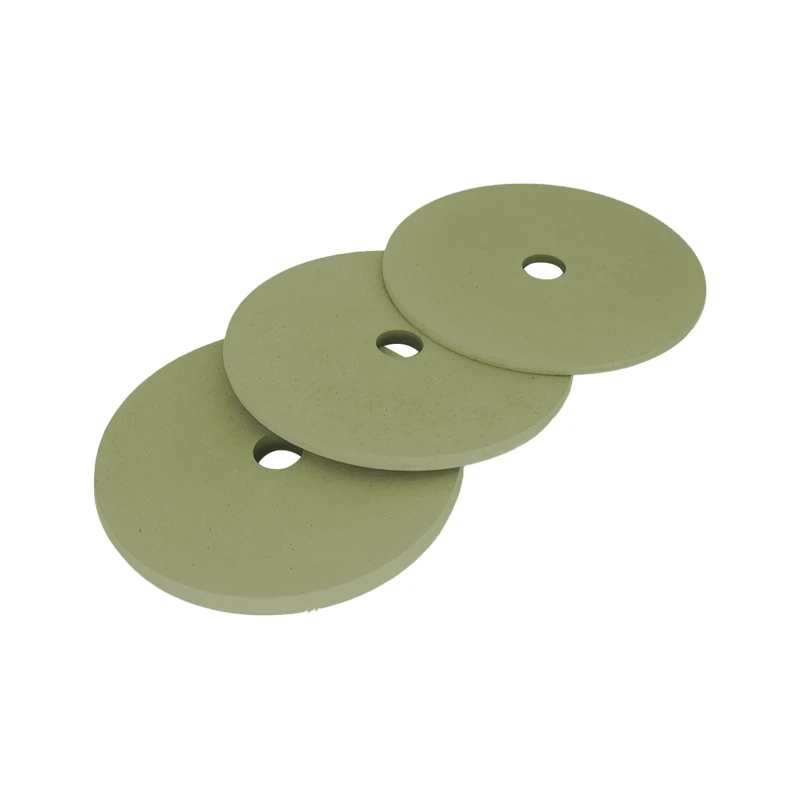
For instance, if we consider a common V - groove Polishing Wheel with a bore size of 25mm, the shaft diameter should be exactly 25mm or within a very tight tolerance range. This ensures that the wheel is firmly seated on the shaft, allowing for smooth and stable rotation. In industrial settings, where high - speed polishing is the norm, even the slightest misfit can lead to premature wear of the wheel and reduced efficiency.
Material and Strength
The material of the shaft plays a crucial role in its performance with a V - groove Polishing Wheel. The shaft needs to be made of a strong and durable material that can withstand the forces exerted during the polishing process. Steel is a popular choice for shafts due to its high strength and resistance to deformation. High - grade alloy steels are often used in more demanding applications where the wheel is subjected to heavy loads and high - speed rotation.
The strength of the shaft is also related to its ability to handle the torque generated by the polishing wheel. When the wheel is in contact with the workpiece, it creates a frictional force that tries to slow down the rotation. The shaft must be strong enough to transfer the power from the motor to the wheel without bending or breaking. If the shaft is too weak, it may start to flex under the load, which can cause uneven wear on the wheel and poor polishing results.
Surface Finish
The surface finish of the shaft is another important factor. A smooth surface finish on the shaft reduces friction between the shaft and the bore of the V - groove Polishing Wheel. This not only helps in easy installation and removal of the wheel but also minimizes wear on both the shaft and the wheel. A rough or pitted shaft surface can cause the wheel to bind, leading to increased heat generation and potential damage to the wheel.
In addition, a smooth shaft surface helps in maintaining the concentricity of the wheel. Concentricity is crucial for achieving a uniform polish on the workpiece. If the wheel is not centered properly on the shaft due to a rough surface, it will rotate off - center, resulting in uneven pressure distribution on the workpiece and an inconsistent polish.
Alignment
Proper alignment of the shaft is essential for the effective use of a V - groove Polishing Wheel. The shaft must be aligned precisely with the motor and the workpiece. Misaligned shafts can cause excessive vibration, which not only affects the quality of the polish but also shortens the lifespan of the wheel and the motor.
To ensure alignment, it is important to use precision - machined components and proper installation techniques. In some cases, alignment tools such as laser alignment systems may be used to achieve the highest level of accuracy. When the shaft is correctly aligned, the V - groove Polishing Wheel can operate at its best, providing a smooth and consistent polish.
Keyways and Locking Mechanisms
Many V - groove Polishing Wheels are designed to be secured to the shaft using keyways and locking mechanisms. Keyways are slots cut into the shaft and the bore of the wheel that allow a key to be inserted. The key prevents the wheel from slipping on the shaft during rotation, ensuring that the power is transferred efficiently.
Locking mechanisms, such as set screws or clamping collars, are used to further secure the wheel to the shaft. These mechanisms need to be tightened properly to prevent the wheel from coming loose during operation. However, care must be taken not to over - tighten, as this can damage the wheel or the shaft.
Impact on Different Types of V - groove Polishing Wheels
The shaft requirements can vary depending on the type of V - groove Polishing Wheel being used. For example, Glass Buffing Wheel is often used for delicate glass polishing applications. These wheels require a shaft that can provide a smooth and gentle rotation to avoid scratching the glass. A shaft with a low - vibration design and a high - precision surface finish is ideal for glass buffing wheels.
Fine Polishing Wheel is used for achieving a high - quality, mirror - like finish. These wheels typically operate at high speeds and require a shaft that can handle the high - speed rotation without flexing. A strong and lightweight shaft made of high - grade alloy steel is often preferred for fine polishing wheels.
Glass Groove Polishing Wheel is designed for polishing grooves in glass or other materials. The shaft for these wheels needs to be able to provide the necessary torque to penetrate the grooves and maintain a consistent polish. A shaft with a larger diameter and higher strength may be required for glass groove polishing wheels.
Conclusion
In conclusion, there are several special requirements for the shaft when using a V - groove Polishing Wheel. Size compatibility, material and strength, surface finish, alignment, and the use of keyways and locking mechanisms all play important roles in ensuring the optimal performance of the wheel. As a supplier of V - groove Polishing Wheels, I understand the importance of these requirements and can provide valuable advice to customers on selecting the right shaft for their specific applications.
If you are in the market for high - quality V - groove Polishing Wheels or need more information about shaft requirements, please feel free to contact us. We are here to assist you in making the best choice for your polishing needs.
References
- "Handbook of Polishing Technology" - A comprehensive guide on polishing processes and equipment.
- "Materials Science for Engineers" - A textbook that covers the properties and applications of different materials used in engineering, including shaft materials.
- Industry standards and guidelines for polishing equipment manufacturers, which provide detailed specifications for shaft design and performance.