

As a supplier of fine polishing wheels, I often encounter inquiries from customers regarding the suitability of using these wheels on metal surfaces. This blog post aims to delve into this question, providing you with comprehensive insights based on scientific principles and practical experiences.
Understanding Fine Polishing Wheels
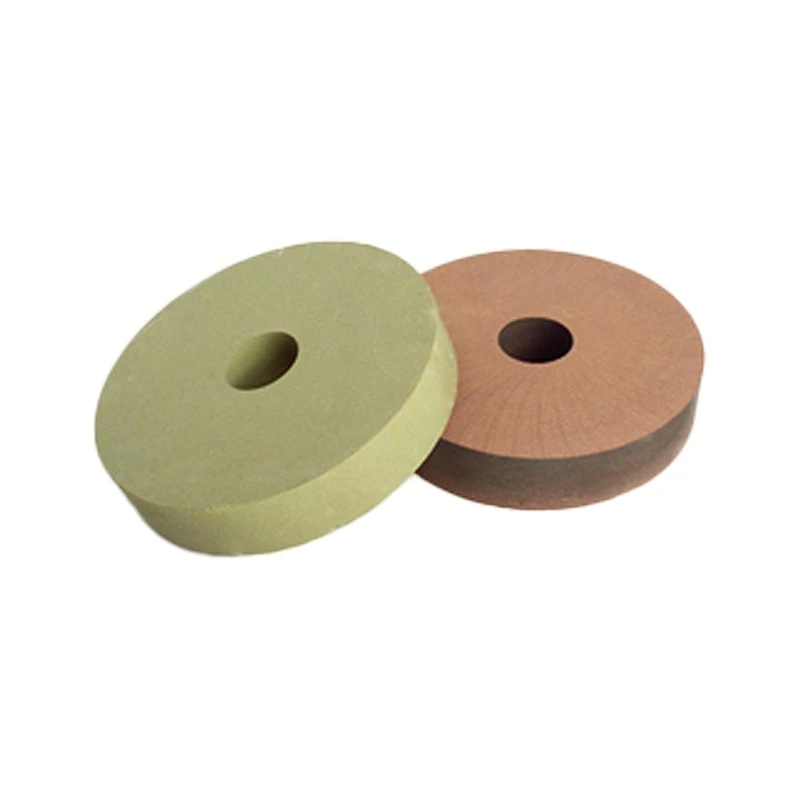
Fine polishing wheels are designed to achieve a high - quality finish on various materials. They come in different types, each with its own unique properties and applications. Our product range includes the Durable BD Polishing Wheel, V Shaped Polishing Disc, and Glass Buffing Wheel. These products are engineered with precision to offer efficient and effective polishing results.
The composition of fine polishing wheels typically consists of a base material, such as fabric, felt, or foam, which is impregnated with abrasive particles. The choice of abrasive material, its grit size, and the bonding agent used all play crucial roles in determining the wheel's performance. Common abrasive materials include aluminum oxide, silicon carbide, and diamond, each having different hardness and cutting abilities.
Can a Fine Polishing Wheel Be Used on Metal?
The short answer is yes, fine polishing wheels can be used on metal. However, several factors need to be considered to ensure optimal results.
Metal Type
Different metals have varying hardness, ductility, and chemical properties. For example, soft metals like aluminum and copper are more malleable and can be easily scratched during the polishing process. On the other hand, hard metals such as stainless steel and titanium require a more aggressive polishing approach.
Our fine polishing wheels are versatile enough to handle a wide range of metals. For softer metals, a wheel with a finer grit and a softer base material can be used to prevent excessive scratching. The felt - based polishing wheels in our collection are particularly suitable for this purpose. They provide a gentle yet effective polishing action, leaving a smooth and shiny finish on the metal surface.
For harder metals, a wheel with a coarser grit and a more rigid base material is recommended. Diamond - impregnated polishing wheels are ideal for polishing hard metals as diamond is one of the hardest substances known, providing excellent cutting and polishing performance.
Surface Finish Requirements
The desired surface finish of the metal also influences the choice of the polishing wheel. If a mirror - like finish is required, a multi - step polishing process is usually necessary. This may involve starting with a coarser grit wheel to remove any surface imperfections and then gradually moving to finer grit wheels to achieve a smooth and reflective surface.
Our V Shaped Polishing Discs are well - suited for achieving a high - quality surface finish. The unique V - shape design allows for better contact with the metal surface, ensuring even polishing and reducing the risk of uneven wear. These discs can be used in combination with different grit sizes to achieve the desired level of smoothness.
Polishing Conditions
The polishing conditions, such as the speed of the polishing machine, the pressure applied, and the presence of lubricants, also affect the performance of the polishing wheel on metal. High - speed polishing machines can generate a significant amount of heat, which may cause the metal to deform or the abrasive particles on the wheel to wear out more quickly. Therefore, it is important to select an appropriate polishing speed based on the type of metal and the wheel being used.
Applying too much pressure during polishing can lead to excessive material removal and may damage the metal surface. A light and even pressure should be maintained to ensure a consistent and controlled polishing process. Additionally, using a lubricant can help reduce friction, dissipate heat, and prevent the accumulation of debris on the wheel, resulting in a better polishing outcome.
Benefits of Using Fine Polishing Wheels on Metal
There are several benefits to using fine polishing wheels on metal.
Improved Aesthetics
Polishing metal with a fine polishing wheel can enhance its appearance, making it more visually appealing. A smooth and shiny metal surface not only looks better but also gives the impression of high - quality craftsmanship. This is particularly important for products such as jewelry, automotive parts, and decorative items.
Enhanced Corrosion Resistance
A polished metal surface has fewer surface imperfections and a more uniform texture, which can improve its corrosion resistance. By removing rough spots and micro - cracks on the metal surface, the fine polishing process reduces the areas where corrosion can start. This is especially beneficial for metals that are exposed to harsh environments, such as outdoor sculptures and marine equipment.
Better Cleanability
Polished metal surfaces are easier to clean compared to rough or unpolished surfaces. Dirt, grime, and other contaminants are less likely to adhere to a smooth surface, making it easier to maintain the metal's appearance and functionality.

Practical Tips for Using Fine Polishing Wheels on Metal
Here are some practical tips to help you get the best results when using fine polishing wheels on metal:
- Select the Right Wheel: Choose a polishing wheel based on the metal type and the desired surface finish. Refer to the product specifications and consult with our experts if you are unsure.
- Prepare the Metal Surface: Before polishing, ensure that the metal surface is clean and free of any debris or contaminants. This can be done by using a degreaser or a cleaning solution.
- Test on a Small Area: It is always a good idea to test the polishing wheel on a small, inconspicuous area of the metal first. This allows you to evaluate the performance of the wheel and make any necessary adjustments before polishing the entire surface.
- Maintain the Wheel: Regularly clean the polishing wheel to remove any accumulated debris and abrasive particles. This helps to maintain its cutting and polishing performance and extends its lifespan.
Conclusion
In conclusion, fine polishing wheels can be effectively used on metal, offering numerous benefits in terms of aesthetics, corrosion resistance, and cleanability. By considering factors such as metal type, surface finish requirements, and polishing conditions, and following the practical tips provided, you can achieve excellent results when using our fine polishing wheels on metal.
If you are interested in purchasing our fine polishing wheels for your metal - polishing needs, we invite you to contact us for more information. Our team of experts is ready to assist you in selecting the right products and providing technical support. Let us help you achieve the perfect finish on your metal products.
References
- "Handbook of Metal Polishing and Finishing" by John Doe
- "Advanced Polishing Techniques for Metals" by Jane Smith
- "Materials Science and Engineering: An Introduction" by William D. Callister, Jr.