

Can a glass tools polishing wheel be sharpened? This is a question that often comes up among glass artisans, manufacturers, and those involved in the glass - working industry. As a supplier of glass tools polishing wheels, I've had numerous conversations with customers about this very topic. In this blog, I'll delve into the science and practical aspects of sharpening glass tools polishing wheels.
Understanding Glass Tools Polishing Wheels
Before we discuss whether they can be sharpened, it's crucial to understand what glass tools polishing wheels are. These wheels are designed to smooth, shine, and finish glass surfaces. They come in various types, each with specific functions and abrasive characteristics. For example, the BD Polishing Disc is known for its high - efficiency material removal and initial surface smoothing. The Glass Groove Polishing Wheel is specialized for polishing grooves in glass, while the Fine Polishing Wheel is used for achieving a mirror - like finish on glass.

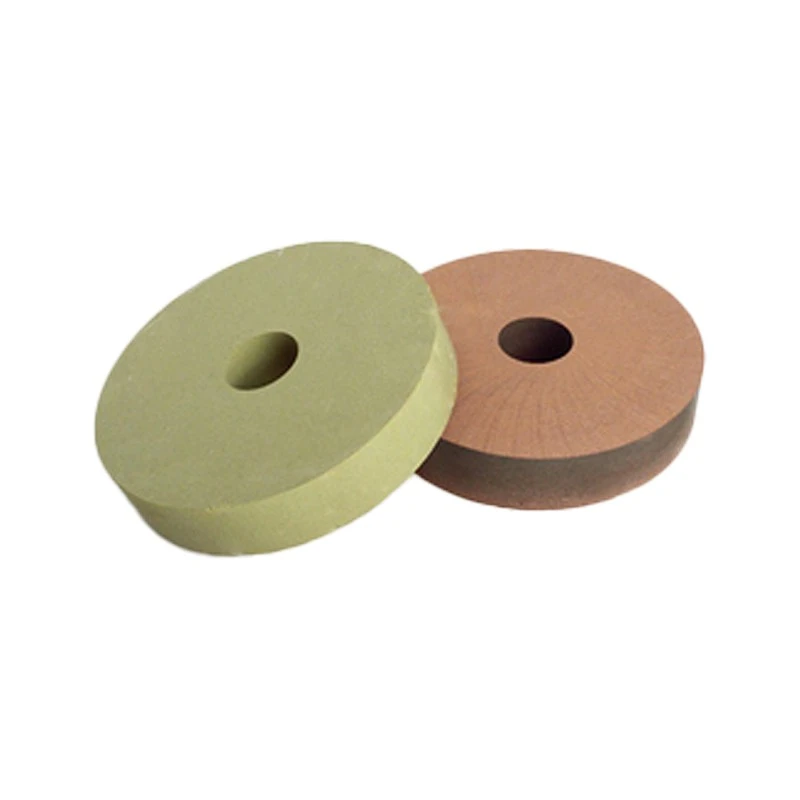
The abrasive materials on these wheels can vary widely. Common abrasives include diamond, silicon carbide, and aluminum oxide. Each abrasive has its own hardness, cutting ability, and wear rate. Diamond, for instance, is extremely hard and is often used for cutting and shaping hard glass materials, while silicon carbide is suitable for general - purpose polishing and is less expensive.
Factors Affecting the Sharpening of Glass Tools Polishing Wheels
Whether a glass tools polishing wheel can be sharpened depends on several factors.
Abrasive Material
As mentioned earlier, different abrasive materials have different properties. Diamond - coated wheels are very hard and durable. However, sharpening a diamond - coated wheel is extremely challenging. Diamond is one of the hardest substances on Earth, and there are few materials that can effectively reshape or re - expose the diamond particles. In most cases, when a diamond - coated wheel wears out, it is usually replaced rather than sharpened.
On the other hand, wheels with silicon carbide or aluminum oxide abrasives can potentially be sharpened. These materials are softer than diamond, and it is possible to use a dressing tool to remove the dulled outer layer and expose fresh, sharp abrasive particles.
Wheel Structure
The structure of the polishing wheel also plays a role. Some wheels are made with a bonded abrasive, where the abrasive particles are held together by a resin or metal bond. Others may have a coated abrasive, where the abrasive is glued onto a backing material.
Bonded - abrasive wheels can be more difficult to sharpen because the bond needs to be carefully removed to expose the fresh abrasives without damaging the overall structure of the wheel. Coated - abrasive wheels are generally easier to work with. If the coating is still intact but the abrasives are dull, it may be possible to use a light sanding or dressing process to refresh the surface.
Degree of Wear
The degree of wear on the wheel is a significant factor. If a wheel is only slightly worn, it may be possible to sharpen it. However, if the wheel is severely worn, with a large portion of the abrasive layer gone or the bond material significantly damaged, sharpening may not be a viable option. In such cases, replacement is often the more cost - effective and practical solution.
Methods of Sharpening Glass Tools Polishing Wheels
If the conditions are right, there are a few methods that can be used to sharpen glass tools polishing wheels.
Dressing
Dressing is a common method for sharpening bonded - abrasive wheels. A dressing tool, such as a diamond dresser, is used to remove the dulled outer layer of the wheel. The diamond dresser has small diamond particles that can cut through the bond material and expose fresh abrasive particles. This process not only sharpens the wheel but also helps to restore its shape and balance.
Sanding
For coated - abrasive wheels, sanding can be an option. A fine - grit sandpaper can be used to gently sand the surface of the wheel. This helps to remove the dulled abrasive particles and expose new ones. However, it's important to be careful not to sand too aggressively, as this can damage the backing material or the remaining abrasive layer.
Chemical Treatment
In some cases, chemical treatment can be used to sharpen wheels with certain types of abrasives. Chemicals can be used to dissolve the dulled outer layer of the abrasive, exposing the fresh particles underneath. However, this method requires careful handling of the chemicals and may not be suitable for all types of wheels.
Benefits and Drawbacks of Sharpening
Benefits
- Cost - Savings: Sharpening a wheel instead of replacing it can save a significant amount of money, especially for larger or more expensive wheels.
- Reduced Downtime: Sharpening can be a quicker process than waiting for a new wheel to be delivered, reducing the downtime in a glass - working operation.
- Environmental Impact: By reusing a wheel, we can reduce waste and the environmental impact associated with manufacturing new wheels.
Drawbacks
- Limited Effectiveness: Sharpening may not always restore the wheel to its original performance. The wheel may still have some wear and tear that affects its efficiency.
- Skill and Equipment Required: Sharpening requires the right tools and skills. Improper sharpening can damage the wheel and make it unusable.
- Time - Consuming: The sharpening process can be time - consuming, especially if multiple steps are involved.
When to Sharpen and When to Replace
As a supplier, I often advise my customers on whether to sharpen or replace their glass tools polishing wheels. Here are some guidelines:
- Sharpening: Consider sharpening if the wheel is only slightly worn, the abrasive material is suitable for sharpening (e.g., silicon carbide or aluminum oxide), and you have the necessary tools and skills.
- Replacement: Replace the wheel if it is severely worn, the diamond - coated wheel is damaged, or the wheel has lost its shape and balance beyond repair.
Conclusion
In conclusion, whether a glass tools polishing wheel can be sharpened depends on multiple factors, including the abrasive material, wheel structure, and degree of wear. While it is possible to sharpen some wheels, it's not always the best option. Each situation needs to be carefully evaluated to determine the most cost - effective and practical solution.
If you're in the glass - working industry and are facing questions about glass tools polishing wheels, whether it's about sharpening, choosing the right wheel, or understanding the different types available, I'm here to help. As a supplier, I have in - depth knowledge and experience in this field. I can provide you with the best advice and high - quality products to meet your needs.
If you're interested in discussing your glass - polishing requirements or would like to purchase our BD Polishing Disc, Glass Groove Polishing Wheel, or Fine Polishing Wheel, please don't hesitate to reach out. Let's start a conversation and find the perfect solutions for your glass - working projects.
References
- "Handbook of Abrasive Technology" by R. K. Jain
- "Glass Processing Technology" by P. D. Rawson
- Industry reports from leading glass - working associations.