

Hey there! As a supplier of CeO2 powder, I often get asked if this stuff can be used in the packaging industry. Well, let's dive right in and explore this topic.
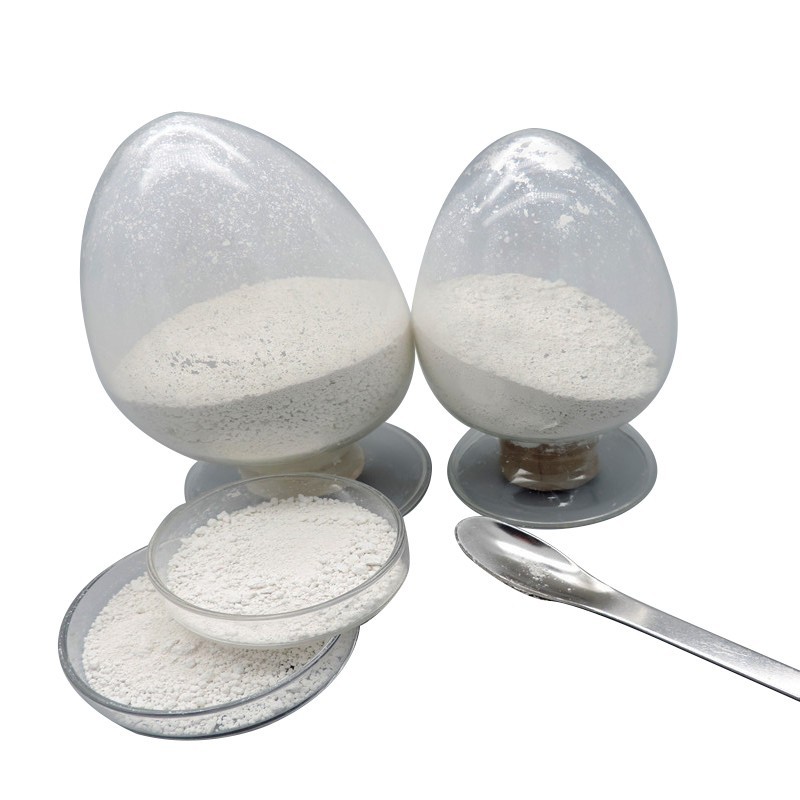
First off, what's CeO2 powder? It's cerium oxide powder, a compound that's got some pretty interesting properties. Cerium oxide is known for its high hardness, chemical stability, and excellent polishing capabilities. You might have heard of it being used in things like Cerium Oxide Polishing Powder for glass polishing. But can it find a place in packaging?
Potential Applications in Packaging
1. Anti - Scratch and Polishing for Packaging Materials
A lot of packaging materials, especially those made of glass or plastic, need to look good. Scratches can make a product look shabby and reduce its marketability. CeO2 powder can be used as an additive in coatings for these materials. When applied as a thin layer on glass packaging, like perfume bottles or high - end beverage containers, it can act as a polishing agent during the manufacturing process. This gives the glass a smooth, shiny finish that's free of scratches.
For plastic packaging, a similar concept applies. By incorporating CeO2 powder into a plastic coating, we can enhance the surface hardness of the plastic. This makes it more resistant to scratches during handling, storage, and transportation. Just like Flat Glass Polishing Powder is used to make flat glass surfaces look pristine, CeO2 powder can do wonders for the appearance of packaging materials.

2. Barrier Properties
In the packaging industry, having good barrier properties is crucial. Products need to be protected from oxygen, moisture, and other environmental factors that can cause spoilage. CeO2 powder has the potential to improve the barrier properties of packaging materials. When added to polymers, it can form a tortuous path for gas and moisture molecules. This means that it becomes more difficult for these molecules to penetrate the packaging, thus extending the shelf - life of the products inside.
For example, in food packaging, keeping oxygen out is essential to prevent oxidation and spoilage. By using CeO2 - enhanced packaging, we can reduce the rate of oxygen ingress and keep the food fresh for longer. This is a big deal for both consumers and producers, as it reduces food waste and increases customer satisfaction.
3. Antimicrobial Properties
Another exciting aspect is the potential antimicrobial properties of CeO2 powder. Microorganisms can grow on the surface of packaging materials, especially in moist or warm environments. This can be a problem, especially for food and pharmaceutical packaging. Some studies have shown that cerium oxide has antibacterial and antifungal effects.
When incorporated into packaging materials, CeO2 powder can help inhibit the growth of bacteria and fungi. This provides an extra layer of protection for the products inside the packaging. For pharmaceutical products, it's crucial to keep the packaging free from microbial contamination to ensure the safety and efficacy of the drugs.
Challenges and Considerations
Of course, it's not all sunshine and rainbows. There are some challenges when it comes to using CeO2 powder in the packaging industry.
1. Cost
CeO2 powder can be relatively expensive compared to some other additives used in packaging. This can be a deterrent for some manufacturers, especially those in the low - cost packaging segment. However, as the technology advances and the production volume increases, the cost is likely to come down. And when you consider the benefits in terms of improved product quality and extended shelf - life, the cost might be worth it in the long run.
2. Regulatory Approval
Before using CeO2 powder in packaging, especially for food and pharmaceutical applications, it needs to meet strict regulatory requirements. Different countries have different regulations regarding the use of additives in packaging materials. Manufacturers need to ensure that the CeO2 powder they use is safe and compliant with all relevant regulations. This can involve a lot of testing and paperwork, but it's a necessary step to ensure the safety of consumers.
3. Compatibility
CeO2 powder needs to be compatible with the packaging materials it's added to. For example, when adding it to polymers, it needs to disperse evenly throughout the polymer matrix. If it doesn't disperse properly, it can lead to uneven properties in the packaging material, such as reduced strength or poor barrier performance. Manufacturers need to develop proper mixing and processing techniques to ensure good compatibility.
Real - World Examples and Case Studies
There aren't a whole lot of widespread real - world examples of CeO2 powder being used in packaging yet, but there are some promising developments. Some high - end cosmetic companies have started experimenting with CeO2 - coated glass packaging. These bottles not only look great but also have a longer lifespan as they're more resistant to scratches.
In the research world, there have been some studies on using CeO2 - enhanced polymers for food packaging. These studies have shown that the CeO2 - containing polymers can significantly reduce oxygen transmission rates, which is a key factor in keeping food fresh.
Conclusion
So, can CeO2 powder be used in the packaging industry? The answer is a resounding yes! It has the potential to revolutionize the way we package products by improving the appearance, barrier properties, and antimicrobial protection of packaging materials. While there are some challenges to overcome, the benefits are significant.
If you're in the packaging industry and are interested in exploring the use of CeO2 powder in your products, I'd love to have a chat. Whether you're looking for Cerium Oxide Polishing Powder for a glass packaging project or want to enhance the barrier properties of your plastic packaging, we can work together to find the right solution for you. Don't hesitate to reach out and start a conversation about how CeO2 powder can take your packaging to the next level.
References
- Research on the application of cerium oxide in polymer composites for packaging. Journal of Packaging Science and Technology.
- Studies on the antimicrobial properties of cerium oxide. International Journal of Antimicrobial Agents.
- Regulatory guidelines for additives in packaging materials. Various national regulatory bodies.