

Can CeO₂ Powder Be Used in the Rubber Industry?
As a supplier of CeO₂ powder, I am often asked about the potential applications of this remarkable material. One area that has piqued the interest of many in the industry is its possible use in the rubber industry. In this blog post, I will delve into the properties of CeO₂ powder, explore its potential benefits in the rubber industry, and discuss some of the challenges and considerations.
Properties of CeO₂ Powder
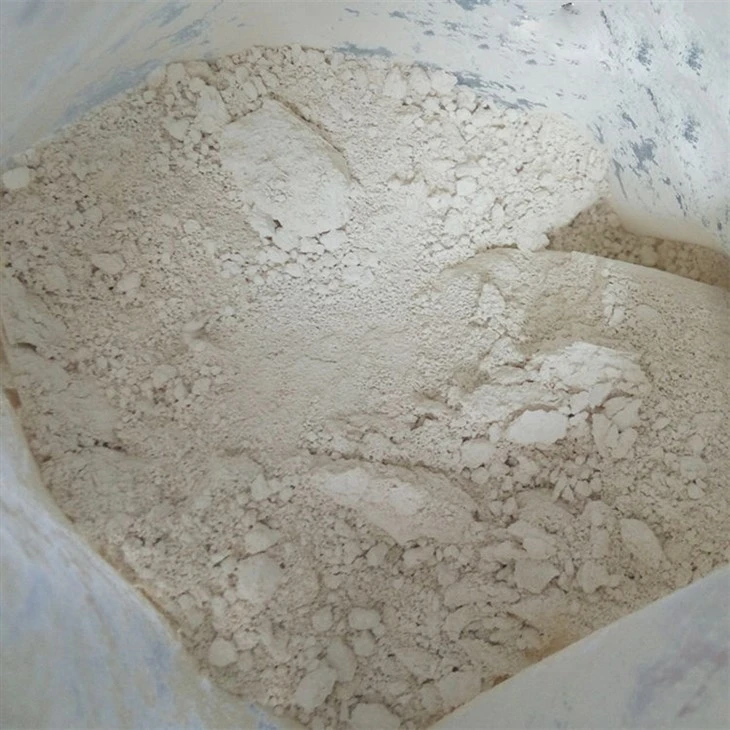
Cerium oxide (CeO₂) is a rare - earth metal oxide that has several unique properties. It is a white or pale yellow powder with a high melting point and excellent chemical stability. CeO₂ has a fluorite - type crystal structure, which gives it a high oxygen storage capacity. This property makes it useful in a variety of applications, such as catalytic converters in automobiles, where it helps to reduce harmful emissions by storing and releasing oxygen during the combustion process.
Another important property of CeO₂ is its abrasive nature. [Cerium Oxide Powder](/glass - polishing - powder/cerium - oxide - powder.html) is widely used in the glass - polishing industry due to its ability to remove surface imperfections and produce a high - quality finish. Its abrasive action is gentle enough to avoid scratching the glass while still being effective at removing contaminants.
In addition to its catalytic and abrasive properties, CeO₂ also has antioxidant and antibacterial properties. These properties are due to the presence of cerium ions in different oxidation states (Ce³⁺ and Ce⁴⁺), which can react with free radicals and inhibit the growth of bacteria.
Potential Benefits of CeO₂ Powder in the Rubber Industry
- Improved Mechanical Properties
- Incorporating CeO₂ powder into rubber compounds can potentially enhance their mechanical properties. The abrasive nature of CeO₂ can act as a reinforcing filler, similar to carbon black. When dispersed evenly in the rubber matrix, CeO₂ particles can increase the tensile strength, tear resistance, and hardness of the rubber. This is because the particles can absorb and distribute stress, preventing the propagation of cracks and improving the overall durability of the rubber product.
- Enhanced Thermal Stability
- Rubber products often need to withstand high temperatures during processing and use. CeO₂ has excellent thermal stability, and adding it to rubber compounds can improve their heat resistance. The high melting point of CeO₂ means that it can maintain its structure and properties at elevated temperatures, helping to prevent the rubber from degrading or losing its mechanical properties.
- Antioxidant and Antibacterial Properties
- The antioxidant and antibacterial properties of CeO₂ can be beneficial in rubber products. Oxidation can cause rubber to become brittle and lose its elasticity over time. By acting as an antioxidant, CeO₂ can slow down the oxidation process, extending the lifespan of the rubber product. Additionally, in applications where hygiene is important, such as rubber seals in food - processing equipment or medical devices, the antibacterial properties of CeO₂ can help to prevent the growth of bacteria and maintain a clean environment.
- Catalytic Activity
- The catalytic properties of CeO₂ may also have applications in the rubber industry. For example, in the vulcanization process, which is used to cross - link the rubber molecules and improve its mechanical properties, CeO₂ could potentially act as a catalyst to speed up the reaction. This could lead to shorter processing times and more efficient production.
Challenges and Considerations
- Dispersion
- One of the main challenges in using CeO₂ powder in the rubber industry is achieving good dispersion in the rubber matrix. CeO₂ particles tend to agglomerate, which can lead to uneven distribution in the rubber and reduce the effectiveness of its properties. Special dispersing agents or processing techniques may be required to ensure that the CeO₂ particles are evenly dispersed throughout the rubber.
- Cost
- CeO₂ is a rare - earth metal oxide, and its cost can be relatively high compared to other fillers commonly used in the rubber industry, such as carbon black. This cost factor may limit its widespread use in some applications, especially in price - sensitive markets. However, as the demand for high - performance rubber products increases, the benefits of using CeO₂ may outweigh the cost in certain cases.
- Compatibility
- Ensuring the compatibility of CeO₂ with the rubber compound is crucial. Different types of rubber, such as natural rubber, synthetic rubber (e.g., styrene - butadiene rubber, nitrile rubber), have different chemical compositions and properties. The CeO₂ powder needs to be compatible with the specific rubber matrix to avoid any adverse effects on the processing or performance of the rubber product.
Applications in the Rubber Industry
- Tires
- In the tire industry, the improved mechanical and thermal properties of rubber compounds containing CeO₂ could be highly beneficial. Tires need to have high tensile strength, tear resistance, and heat resistance to ensure safety and durability. The addition of CeO₂ could potentially improve these properties, leading to longer - lasting tires with better performance.
- Seals and Gaskets
- Seals and gaskets are used in a wide range of applications, from automotive engines to industrial equipment. The antioxidant and antibacterial properties of CeO₂ could help to prevent the degradation of the rubber and maintain a tight seal over time. Additionally, the improved mechanical properties could enhance the sealing performance and reduce the risk of leakage.
- Medical Rubber Products
- For medical rubber products, such as gloves and catheters, the antibacterial properties of CeO₂ are particularly important. These products need to be hygienic to prevent the spread of infections. Incorporating CeO₂ into the rubber can help to achieve this goal, providing an additional layer of protection.
Conclusion
In conclusion, CeO₂ powder has significant potential for use in the rubber industry. Its unique properties, including improved mechanical properties, enhanced thermal stability, antioxidant and antibacterial effects, and catalytic activity, make it an attractive option for various rubber applications. However, challenges such as dispersion, cost, and compatibility need to be addressed to fully realize its benefits.
As a supplier of [Cerium Oxide Compound](/glass - polishing - powder/cerium - oxide - compound.html) and [Cerium Oxide Polishing Compound](/glass - polishing - powder/cerium - oxide - polishing - compound.html), we are committed to providing high - quality CeO₂ powder that meets the specific needs of the rubber industry. If you are interested in exploring the use of CeO₂ powder in your rubber products, we encourage you to contact us for more information and to discuss potential procurement and collaboration opportunities.

References
- Wang, X., & Zhang, Y. (2018). Rare earth oxides in rubber composites: A review. Polymer Composites, 39(7), 2379 - 2390.
- Liu, H., & Chen, S. (2019). The effect of cerium oxide on the mechanical and thermal properties of natural rubber. Journal of Applied Polymer Science, 136(24), 47892.
- Li, J., & Zhao, K. (2020). Antibacterial activity of cerium oxide nanoparticles and their applications in polymer composites. Nanomaterials, 10(2), 256.