

Can glass polishing powder be used on glass trophies? This is a question that many people in the trophy industry, event organizers, and even individuals who own glass trophies often ask. As a supplier of high - quality glass polishing powder, I'm here to provide a comprehensive answer based on scientific knowledge and practical experience.
Understanding Glass Trophies
Glass trophies are not just simple decorative items; they are symbols of achievement, honor, and recognition. They come in various shapes, sizes, and designs, from simple rectangular plaques to elaborate, multi - faceted sculptures. The quality of the glass used in trophies can also vary, with some being made from high - grade optical glass, while others are crafted from more common soda - lime glass.

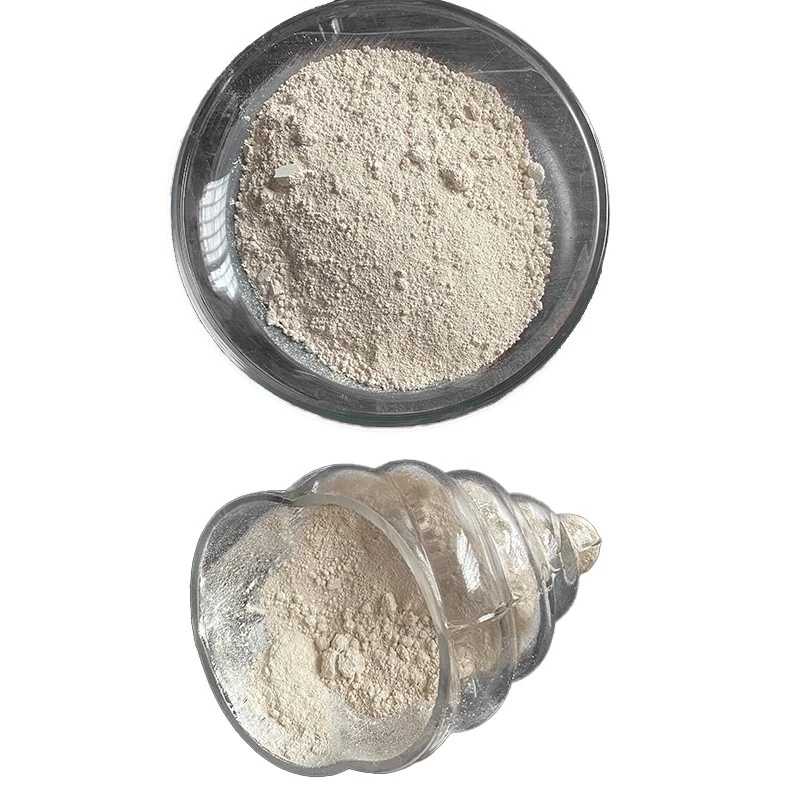
The surface finish of a glass trophy is crucial. A smooth, shiny surface not only enhances its aesthetic appeal but also gives it a high - end, professional look. However, over time, glass trophies can lose their luster due to scratches, dust accumulation, and exposure to environmental elements. This is where glass polishing powder comes into play.
Types of Glass Polishing Powder
There are several types of glass polishing powder available in the market, each with its own unique properties and applications.
- Ceo2 Powder: Ceo2 Powder is a popular choice for glass polishing. Cerium oxide (CeO₂) has excellent polishing performance due to its high hardness and chemical reactivity. It can effectively remove fine scratches and haze from the glass surface, leaving it smooth and shiny. CeO₂ powder is often used in precision polishing applications, such as optical lenses and high - quality glass products.
- Rare Earth Polishing Powder: Rare Earth Polishing Powder is a mixture of various rare earth oxides, including cerium oxide, lanthanum oxide, and praseodymium oxide. This type of polishing powder offers a good balance between polishing efficiency and surface quality. It is suitable for a wide range of glass materials, from soda - lime glass to borosilicate glass. Rare earth polishing powder is commonly used in the mass production of glass products, including glass trophies.
- Cerium Oxide Glass Polish: Cerium Oxide Glass Polish is a pre - formulated product that contains cerium oxide powder and other additives. It is easy to use and can be applied directly to the glass surface. Cerium oxide glass polish is ideal for small - scale polishing jobs, such as restoring the shine of individual glass trophies.
Can Glass Polishing Powder Be Used on Glass Trophies?
The answer is yes, glass polishing powder can be used on glass trophies. However, there are some factors to consider before using it.
Compatibility with Glass Type
As mentioned earlier, glass trophies can be made from different types of glass. It is important to choose a polishing powder that is compatible with the specific glass material. For example, soda - lime glass is the most common type of glass used in trophies, and most glass polishing powders are suitable for it. However, if the trophy is made from a special type of glass, such as crystal glass or lead glass, you need to select a polishing powder that is specifically designed for that type of glass to avoid damage.
Polishing Process
The polishing process also plays a crucial role in achieving the desired results. When using glass polishing powder on glass trophies, it is recommended to follow these steps:
- Clean the Trophy: Before polishing, thoroughly clean the glass trophy with a mild glass cleaner to remove any dirt, dust, or fingerprints. This ensures that the polishing powder can work effectively.
- Prepare the Polishing Mixture: Mix the glass polishing powder with water or a suitable lubricant to form a paste. The consistency of the paste should be thick enough to adhere to the glass surface but not too thick to prevent smooth application.
- Apply the Polishing Paste: Use a soft, clean cloth or a polishing pad to apply the polishing paste to the glass surface. Rub the paste in a circular motion, applying gentle pressure. Make sure to cover the entire surface of the trophy.
- Rinse and Dry: After polishing, rinse the trophy thoroughly with clean water to remove any remaining polishing powder. Dry the trophy with a soft, lint - free cloth to prevent water spots.
Potential Risks
Although glass polishing powder can effectively restore the shine of glass trophies, there are some potential risks if not used correctly. Over - polishing can cause the glass surface to become too thin, which may weaken the trophy and make it more prone to breakage. Additionally, using the wrong type of polishing powder or an improper polishing technique can scratch the glass surface, making the problem worse.
Benefits of Using Glass Polishing Powder on Glass Trophies
Using glass polishing powder on glass trophies offers several benefits:
- Enhanced Aesthetics: Polishing the glass trophy can restore its original shine and luster, making it look more attractive and professional.
- Increased Durability: By removing scratches and other surface imperfections, glass polishing powder can improve the durability of the trophy, making it less likely to break or chip.
- Cost - Effective: Instead of replacing a dull or scratched glass trophy, using glass polishing powder is a cost - effective way to restore its appearance.
Conclusion
In conclusion, glass polishing powder can be used on glass trophies to restore their shine and enhance their appearance. However, it is important to choose the right type of polishing powder, follow the correct polishing process, and be aware of the potential risks. As a supplier of glass polishing powder, we offer a wide range of high - quality products that are suitable for glass trophies. Whether you are a trophy manufacturer, an event organizer, or an individual who wants to restore the beauty of your glass trophy, we can provide you with the right solution.
If you are interested in purchasing our glass polishing powder or have any questions about its application on glass trophies, please feel free to contact us for more information and to discuss your specific needs. We look forward to working with you to achieve the best results for your glass trophies.
References
- "Glass Polishing Technology" - A comprehensive guide on glass polishing techniques and materials.
- "Properties and Applications of Rare Earth Oxides in Glass Polishing" - Research paper on the use of rare earth oxides in glass polishing.
- "Best Practices for Polishing Glass Trophies" - Industry guidelines for polishing glass trophies.