

As a supplier of Glass Groove Polishing Wheels, I understand the importance of proper storage to maintain the quality and functionality of these essential tools. Glass groove polishing wheels are designed to provide precision and efficiency in glass processing, and any damage during storage can lead to reduced performance and increased costs. In this blog post, I will share some scientific and practical tips on how to store glass groove polishing wheels to prevent damage.
Understanding the Characteristics of Glass Groove Polishing Wheels
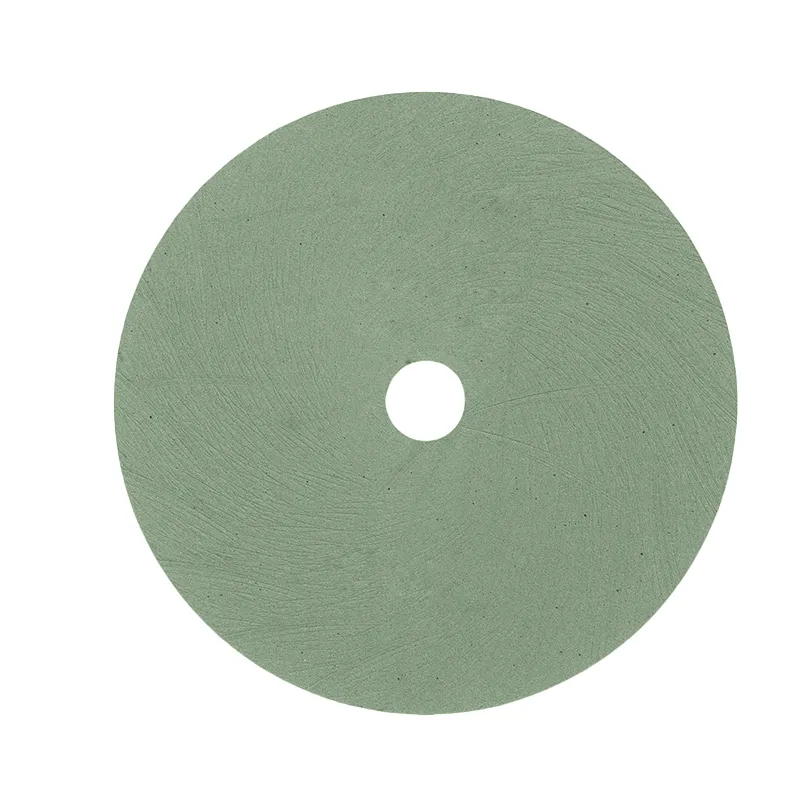
Before delving into storage methods, it's crucial to understand the key characteristics of glass groove polishing wheels. These wheels are typically made from abrasive materials such as diamond or silicon carbide, which are bonded together to form a solid wheel. The abrasive particles on the wheel's surface are responsible for grinding and polishing the glass, while the bond holds the particles in place.
The performance of a glass groove polishing wheel depends on several factors, including the type of abrasive material, the bond strength, and the wheel's design. For example, a wheel with a high concentration of abrasive particles may provide faster cutting and polishing, but it may also be more prone to wear and damage. On the other hand, a wheel with a stronger bond may be more durable but may require more force to operate.
Factors Affecting the Storage of Glass Groove Polishing Wheels
Several factors can affect the storage of glass groove polishing wheels, including temperature, humidity, and physical damage.
Temperature
Extreme temperatures can have a significant impact on the performance of glass groove polishing wheels. High temperatures can cause the bond to soften, leading to a loss of abrasive particles and reduced cutting efficiency. Conversely, low temperatures can make the bond brittle, increasing the risk of cracking and breakage.
To prevent temperature-related damage, it's recommended to store glass groove polishing wheels in a temperature-controlled environment. The ideal temperature range for storage is between 10°C and 30°C (50°F and 86°F). Avoid storing the wheels near heat sources such as radiators or direct sunlight, as this can cause uneven heating and damage to the wheel.

Humidity
Humidity can also affect the performance of glass groove polishing wheels. High humidity levels can cause the abrasive particles to rust or corrode, reducing their cutting ability. Additionally, moisture can penetrate the bond, weakening its strength and causing the wheel to lose its shape.
To prevent humidity-related damage, it's important to store glass groove polishing wheels in a dry environment. The ideal humidity range for storage is between 30% and 60%. If the storage area is prone to high humidity, consider using a dehumidifier to maintain the appropriate humidity levels.
Physical Damage
Physical damage is another common cause of damage to glass groove polishing wheels. Dropping or mishandling the wheels can cause cracks, chips, or other forms of damage that can affect their performance. Additionally, storing the wheels in a crowded or cluttered area can increase the risk of physical damage.
To prevent physical damage, it's important to handle glass groove polishing wheels with care. Always use proper lifting techniques when moving the wheels, and avoid dropping or hitting them against hard surfaces. When storing the wheels, make sure they are placed in a secure and stable location, away from other tools or equipment that could cause damage.
Proper Storage Methods for Glass Groove Polishing Wheels
Based on the factors discussed above, here are some recommended storage methods for glass groove polishing wheels:
Clean the Wheels Before Storage
Before storing the glass groove polishing wheels, it's important to clean them thoroughly to remove any dirt, debris, or coolant residue. Use a soft brush or cloth to gently clean the wheel's surface, and avoid using abrasive cleaners or solvents that could damage the wheel.
Store the Wheels in a Protective Container
To prevent physical damage and protect the wheels from dust and debris, it's recommended to store them in a protective container. You can use a plastic or metal case specifically designed for storing polishing wheels, or you can use a cardboard box lined with foam or bubble wrap. Make sure the container is large enough to accommodate the wheels without squeezing them, and label the container clearly to indicate the type and size of the wheels.
Store the Wheels in an Upright Position
Storing the glass groove polishing wheels in an upright position can help prevent them from warping or deforming. When placing the wheels in the container, make sure they are standing upright and not stacked on top of each other. If you need to stack the wheels, use a spacer or separator between each wheel to prevent them from rubbing against each other.
Keep the Wheels Away from Chemicals
Chemicals such as acids, alkalis, and solvents can damage the abrasive particles and the bond of the glass groove polishing wheels. To prevent chemical damage, it's important to store the wheels away from any chemicals or cleaning agents. If you need to clean the wheels, use a mild detergent and water, and rinse the wheels thoroughly before drying them.
Check the Wheels Regularly
Even if you follow all the recommended storage methods, it's still important to check the glass groove polishing wheels regularly for any signs of damage or wear. Inspect the wheels for cracks, chips, or other forms of damage, and replace any wheels that are damaged or worn beyond repair.
Additional Tips for Maintaining Glass Groove Polishing Wheels
In addition to proper storage, there are some other tips you can follow to maintain the performance and longevity of your glass groove polishing wheels:
Use the Right Wheel for the Job
Using the right glass groove polishing wheel for the specific job is crucial to achieving optimal results. Make sure you select a wheel with the appropriate abrasive material, bond strength, and wheel design for the type of glass and the polishing application. Using the wrong wheel can not only reduce the quality of the finish but also increase the risk of damage to the wheel and the glass.
Follow the Manufacturer's Instructions
Always follow the manufacturer's instructions for using and maintaining the glass groove polishing wheels. The manufacturer's instructions will provide specific guidelines on the recommended operating conditions, such as the speed, pressure, and coolant flow rate. Following these instructions will help ensure the safe and efficient use of the wheels and prevent damage to the wheels and the equipment.
Sharpen the Wheels Regularly
Over time, the abrasive particles on the glass groove polishing wheels will wear down, reducing their cutting efficiency. To maintain the performance of the wheels, it's important to sharpen them regularly. You can use a wheel dresser or a sharpening stone to remove the dulled abrasive particles and expose fresh particles on the wheel's surface.
Replace the Wheels When Necessary
Even with proper storage and maintenance, glass groove polishing wheels will eventually wear out and need to be replaced. It's important to replace the wheels when they are no longer providing the desired performance or when they show signs of excessive wear or damage. Using worn or damaged wheels can not only reduce the quality of the finish but also increase the risk of accidents and injuries.
Conclusion
Proper storage is essential for maintaining the quality and functionality of glass groove polishing wheels. By understanding the characteristics of these wheels and the factors that can affect their storage, you can take the necessary steps to prevent damage and ensure the longevity of your wheels. Remember to clean the wheels before storage, store them in a protective container, keep them in an upright position, and check them regularly for any signs of damage or wear. By following these tips and best practices, you can maximize the performance and lifespan of your glass groove polishing wheels and achieve optimal results in your glass processing operations.
If you are interested in purchasing high-quality Glass Groove Polishing Wheels or other related products such as Glass Grinding Wheel, Glass Surface Treatment Wheel, or Glass Wheel Polish, please feel free to contact us for more information and to discuss your specific requirements. We are committed to providing our customers with the best products and services, and we look forward to working with you.
References
- "Guide to Abrasive Wheels" - Health and Safety Executive
- "Polishing and Grinding of Glass" - Society of Glass Technology