

Hey there! As a supplier of Glass Engraved Wheel Polish, I've gotten a ton of questions about how our product performs in extreme temperatures. Today, I'm gonna break it down for you and share some insights based on our experience and research.
First off, let's talk about what extreme temperatures mean. We're looking at both the really cold stuff, like in a freezer - storage environment or during winter in some super - cold regions, and the scorching heat, say in a factory near high - temperature machinery or in a desert - like climate.
Performance in Cold Temperatures
When it comes to cold temperatures, the viscosity of our Glass Engraved Wheel Polish can change. Just like honey gets thicker in the fridge, our polish can become more viscous. This change in viscosity can have both positive and negative impacts.
On the plus side, a more viscous polish can sometimes provide a more concentrated application. It tends to stay in place better on the glass engraved wheel, which means less dripping and waste. This can be a huge advantage when you're working on a precision job where you need the polish to stay exactly where you put it.
However, there are also some challenges. The increased viscosity can make it a bit harder to spread the polish evenly on the wheel. You might need to use a bit more force or a different application technique. For example, instead of just brushing it on, you might have to use a spatula to really work it into the wheel's surface.
Another thing to consider is the flexibility of the materials in the polish. Some of the additives in our polish can become more brittle in cold temperatures. This could potentially lead to a reduced lifespan of the polish on the wheel, as it might start to crack or flake off more easily. But don't worry, we've formulated our polish to be as resilient as possible. We've tested it in cold chambers to make sure it can withstand these conditions without losing its core functionality.
Performance in Hot Temperatures
Now, let's flip the script and talk about hot temperatures. In high - heat environments, the viscosity of our polish decreases. It becomes thinner, almost like water. This can be great for easy application. You can spread it more quickly and smoothly on the glass engraved wheel. It also penetrates the wheel's surface more easily, which can enhance the polishing effect.

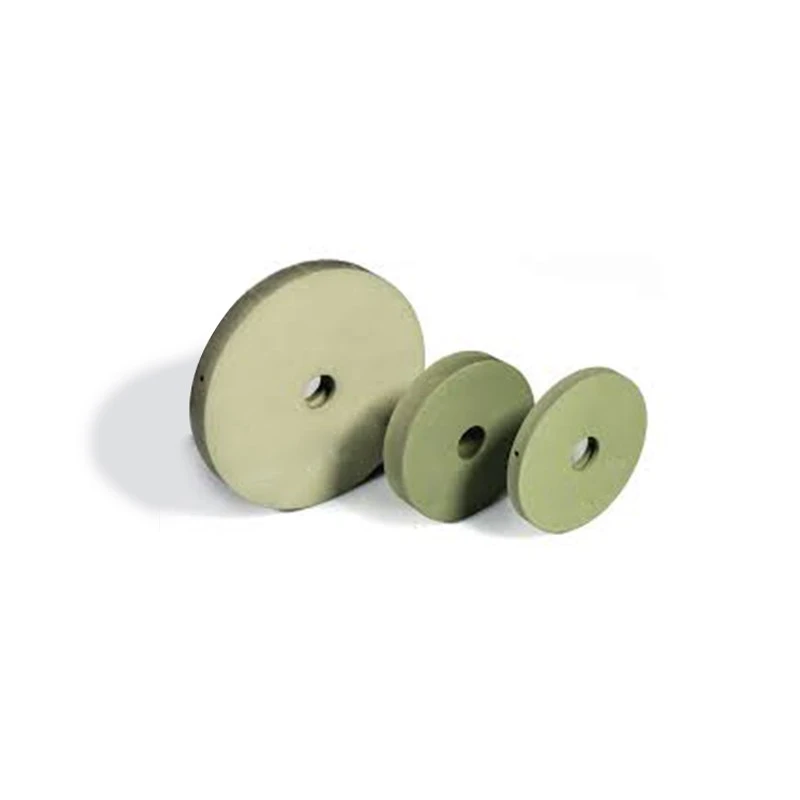
But here's the catch. The thinness of the polish also means it can drip more easily. If you're not careful, you might end up with polish all over your work area. This not only creates a mess but also leads to wasted product. To combat this, you might need to apply the polish in smaller amounts and more frequently.
The heat can also cause some of the volatile components in the polish to evaporate more quickly. This can change the chemical composition of the polish over time. If the evaporation is too rapid, it might leave behind a residue that could affect the quality of the polishing. That's why we've included stabilizers in our polish to slow down this evaporation process and maintain the polish's effectiveness even in hot conditions.
Real - World Examples
I've had customers from all over the world using our Glass Engraved Wheel Polish in different temperature extremes. One customer in Alaska was using our polish in a cold storage facility. They initially had some trouble getting the polish to spread evenly, but after adjusting their application method, they were really happy with the results. They noticed that the polish stayed in place well and provided a great finish on their glass engraved wheels.
On the other hand, a customer in the Middle East was using our polish in a factory with high - temperature machinery. They found that the polish was very easy to apply but had to be careful about the dripping. By applying it in small amounts, they were able to get excellent polishing results without too much mess.
Our Product Line
We offer a range of products to meet different needs. For example, our BD Industrial Polishing Wheel is designed for heavy - duty industrial applications. It can work well with our Glass Engraved Wheel Polish in both cold and hot temperatures. The wheel's construction is robust, and it can handle the changes in the polish's properties due to temperature variations.
Our Glass Edge Polishing Wheel is perfect for precision work on glass edges. When used with our polish, it can provide a smooth and shiny finish, regardless of the temperature. And if you need to do some initial grinding before polishing, our Glass Grinding Wheel is a great choice. It can prepare the glass surface for the polishing process, and our polish will then take it to the next level.
Contact Us for More
If you're in the market for a high - quality Glass Engraved Wheel Polish that can perform well in extreme temperatures, we'd love to hear from you. Whether you're working in a cold warehouse or a hot factory, our products are designed to meet your needs. We can provide samples for you to test in your specific environment, so you can see for yourself how our polish performs.
Don't hesitate to reach out to us if you have any questions or want to discuss your polishing requirements. We're here to help you get the best results for your glass engraving projects.
References
- Industry research on the effects of temperature on polishing compounds
- Internal testing reports from our product development team
- Customer feedback and case studies from different temperature environments