

As a trusted supplier of glass grinding discs, I've witnessed firsthand how various environmental factors can impact the performance and longevity of these essential tools. One such factor that often goes unnoticed but plays a crucial role is the moisture content in the working environment. In this blog post, I'll delve into how moisture levels can affect the use of a glass grinding disc and offer some insights on how to mitigate potential issues.
Understanding the Basics of Glass Grinding Discs
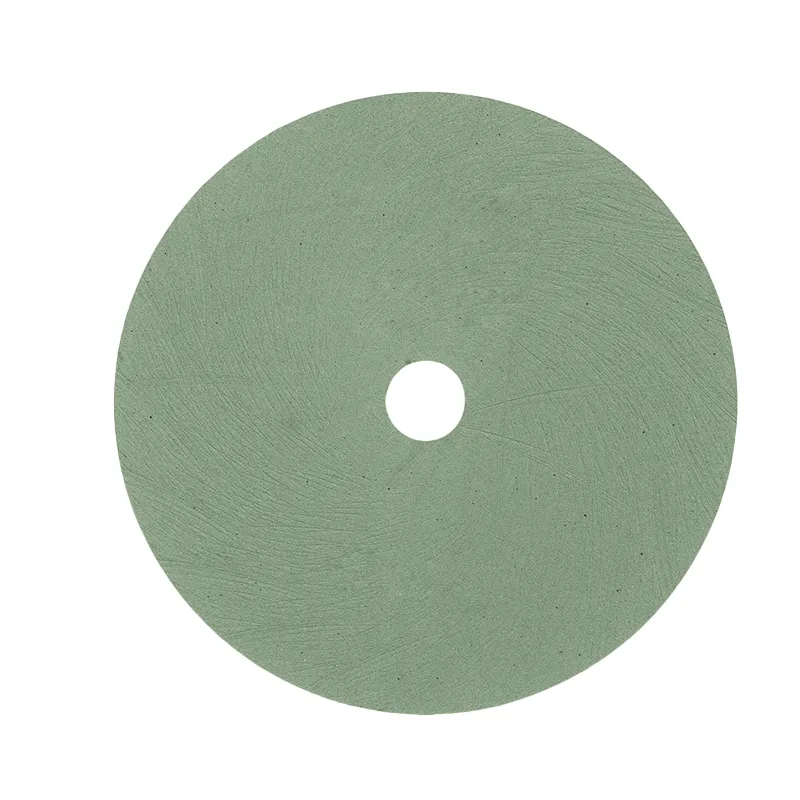
Before we explore the impact of moisture, let's briefly review what glass grinding discs are and how they work. Glass grinding discs are abrasive tools designed to shape, smooth, and polish glass surfaces. They typically consist of a metal or resin-bonded abrasive material, such as diamond or silicon carbide, which is bonded to a circular disc. When the disc rotates at high speeds, the abrasive particles come into contact with the glass surface, removing material and creating the desired finish.
The Effects of High Moisture Content
High moisture content in the working environment can have several detrimental effects on the performance and lifespan of a glass grinding disc. Here are some of the key issues to be aware of:
1. Reduced Abrasive Performance
Moisture can act as a lubricant between the abrasive particles and the glass surface, reducing the friction and cutting efficiency of the disc. This can result in slower grinding speeds, increased wear on the disc, and a less precise finish. In extreme cases, the disc may even start to glaze over, where the abrasive particles become clogged with glass dust and lose their cutting ability.
2. Corrosion and Rust
If the glass grinding disc is made of metal, high moisture levels can cause corrosion and rust to form on the disc's surface. This can weaken the bond between the abrasive particles and the disc, leading to premature wear and failure. Corrosion can also cause the disc to become unbalanced, which can result in vibration and uneven grinding.
3. Mold and Mildew Growth
Moisture provides an ideal environment for mold and mildew to grow, especially if the working area is not well-ventilated. Mold and mildew can not only damage the glass grinding disc but also pose a health risk to workers. In addition, the presence of mold and mildew can make the disc slippery, increasing the risk of accidents.
4. Increased Risk of Cracking
Glass is a brittle material that can crack under stress. High moisture levels can cause the glass to absorb water, which can increase its internal stress and make it more prone to cracking during grinding. This can not only result in damaged glass but also pose a safety hazard to workers.
The Effects of Low Moisture Content
While high moisture content can be problematic, low moisture levels can also have a negative impact on the use of a glass grinding disc. Here are some of the key issues to be aware of:
1. Excessive Dust Generation
Dry conditions can cause the glass dust generated during grinding to become airborne, creating a health hazard for workers. In addition, excessive dust can also accumulate on the disc's surface, reducing its cutting efficiency and increasing wear.
2. Increased Heat Generation
Without sufficient moisture to cool the disc, the friction between the abrasive particles and the glass surface can generate excessive heat. This can cause the disc to overheat, leading to thermal expansion and cracking. In addition, high temperatures can also weaken the bond between the abrasive particles and the disc, resulting in premature wear and failure.
3. Static Electricity Buildup
Low moisture levels can cause static electricity to build up on the glass grinding disc and the glass surface. This can attract dust and debris, making the disc less effective and increasing the risk of accidents. In addition, static electricity can also cause the disc to become charged, which can pose a safety hazard to workers.
Mitigating the Effects of Moisture
Now that we understand how moisture content can affect the use of a glass grinding disc, let's explore some strategies for mitigating these effects:
1. Control the Moisture Level
The first step in mitigating the effects of moisture is to control the moisture level in the working environment. This can be achieved by using a dehumidifier or humidifier, depending on the specific needs of the environment. A dehumidifier can be used to reduce the moisture level in a humid environment, while a humidifier can be used to increase the moisture level in a dry environment.
2. Use a Dust Collection System
To reduce the amount of dust generated during grinding, it's important to use a dust collection system. This can help to keep the working environment clean and reduce the risk of health problems for workers. A dust collection system can also help to prevent dust from accumulating on the disc's surface, improving its cutting efficiency and lifespan.
3. Keep the Disc Clean and Dry
After each use, it's important to clean the glass grinding disc thoroughly to remove any glass dust or debris. This can help to prevent the disc from glazing over and improve its cutting efficiency. In addition, it's important to store the disc in a dry place to prevent corrosion and rust from forming.
4. Use a Coolant
To reduce the heat generated during grinding, it's important to use a coolant. A coolant can help to keep the disc and the glass surface cool, reducing the risk of cracking and overheating. There are several types of coolants available, including water-based coolants, oil-based coolants, and synthetic coolants.
5. Choose the Right Disc for the Job
Finally, it's important to choose the right glass grinding disc for the specific job. Different discs are designed for different types of glass and grinding applications, so it's important to select a disc that is appropriate for the job at hand. In addition, it's important to follow the manufacturer's recommendations for use and maintenance to ensure the disc performs at its best.
Conclusion
In conclusion, the moisture content of the working environment can have a significant impact on the use of a glass grinding disc. High moisture levels can reduce the abrasive performance of the disc, cause corrosion and rust, promote mold and mildew growth, and increase the risk of cracking. Low moisture levels can cause excessive dust generation, increased heat generation, and static electricity buildup. By controlling the moisture level, using a dust collection system, keeping the disc clean and dry, using a coolant, and choosing the right disc for the job, you can mitigate the effects of moisture and ensure the optimal performance and longevity of your glass grinding disc.
If you're in the market for high-quality glass grinding discs or other V-groove Polishing Wheel, Glass Wheel Polish, or Glass Groove Wheel Polish, I encourage you to contact me to discuss your specific needs. I'm committed to providing my customers with the best products and services at competitive prices, and I look forward to the opportunity to work with you.

References
- "Glass Grinding and Polishing: Principles and Practice" by John A. Dorey
- "The Effects of Moisture on Abrasive Tools" by Abrasive Engineering Magazine
- "Best Practices for Glass Grinding and Polishing" by Glass Association of North America