

When it comes to the glass processing industry, glass grinding discs are indispensable tools. These discs play a crucial role in shaping, smoothing, and polishing glass surfaces to achieve the desired finish. As a professional glass grinding disc supplier, I often get asked the question: "How much does a glass grinding disc cost?" In this blog post, I'll delve into the factors that influence the cost of glass grinding discs and provide you with a comprehensive understanding of the pricing landscape.
Factors Affecting the Cost of Glass Grinding Discs
1. Abrasive Material
The type of abrasive material used in the grinding disc is one of the primary factors that determine its cost. Different abrasive materials have varying levels of hardness, durability, and cutting ability.
- Diamond Abrasives: Diamond is the hardest known material, making it ideal for grinding and polishing hard and brittle materials like glass. Diamond grinding discs offer superior performance and longevity compared to other abrasives. However, the high cost of diamond raw materials and the complex manufacturing processes involved in producing diamond grinding discs make them relatively expensive.
- Silicon Carbide and Aluminum Oxide: These are more common and less expensive abrasive materials. Silicon carbide is suitable for grinding non - ferrous metals and hard, brittle materials, while aluminum oxide is commonly used for grinding ferrous metals and softer materials. Glass grinding discs made from silicon carbide or aluminum oxide are generally more affordable and are a popular choice for less demanding applications.
2. Disc Size and Thickness
The size and thickness of the glass grinding disc also have a significant impact on its cost. Larger and thicker discs require more raw materials and more complex manufacturing processes, which increases the production cost. For example, a large - diameter glass grinding disc used for industrial - scale glass processing will be more expensive than a small - diameter disc for hobbyist or small - scale applications.
3. Bonding Agent
The bonding agent holds the abrasive grains together and determines the disc's structure and performance. There are different types of bonding agents, such as resin, vitrified, and metal bonds.
- Resin Bonds: Resin - bonded grinding discs are flexible and have good self - sharpening properties. They are suitable for a wide range of applications and are relatively inexpensive.
- Vitrified Bonds: Vitrified - bonded discs offer high precision and durability. They can withstand high temperatures and maintain their shape during grinding. However, the manufacturing process of vitrified - bonded discs is more complex, resulting in a higher cost.
- Metal Bonds: Metal - bonded grinding discs are extremely durable and are often used for heavy - duty grinding applications. They are more expensive than resin - and vitrified - bonded discs due to the high cost of metal materials and the advanced manufacturing techniques required.
4. Quality and Brand
The quality and brand of the glass grinding disc also play a role in its pricing. High - quality discs are made with strict quality control measures, using premium raw materials and advanced manufacturing processes. These discs offer better performance, longer service life, and more consistent results. Well - known brands often charge a premium for their products because of their reputation for reliability and quality. However, it's important to note that there are also many reliable and cost - effective options from lesser - known brands.
Price Range of Glass Grinding Discs
Based on the factors mentioned above, the price of glass grinding discs can vary widely.
- Entry - Level Discs: For small - scale or hobbyist applications, you can find basic glass grinding discs made from silicon carbide or aluminum oxide with resin bonds at relatively low prices. These discs may cost anywhere from a few dollars to around $20.
- Mid - Range Discs: Mid - range glass grinding discs, such as those made with better - quality abrasive materials, more advanced bonding agents, and suitable for medium - scale industrial applications, typically range from $20 to $100.
- High - End Discs: High - end glass grinding discs, especially those with diamond abrasives, large sizes, and advanced bonding technologies, can cost over $100. These discs are designed for heavy - duty, high - precision glass processing in large - scale industrial settings.
Our Product Offerings
As a glass grinding disc supplier, we offer a wide range of products to meet the diverse needs of our customers.
- V Shaped Polishing Disc: Our V - shaped polishing discs are designed to provide a precise and smooth finish on glass edges. They are made with high - quality abrasive materials and advanced bonding agents, ensuring excellent performance and long service life.
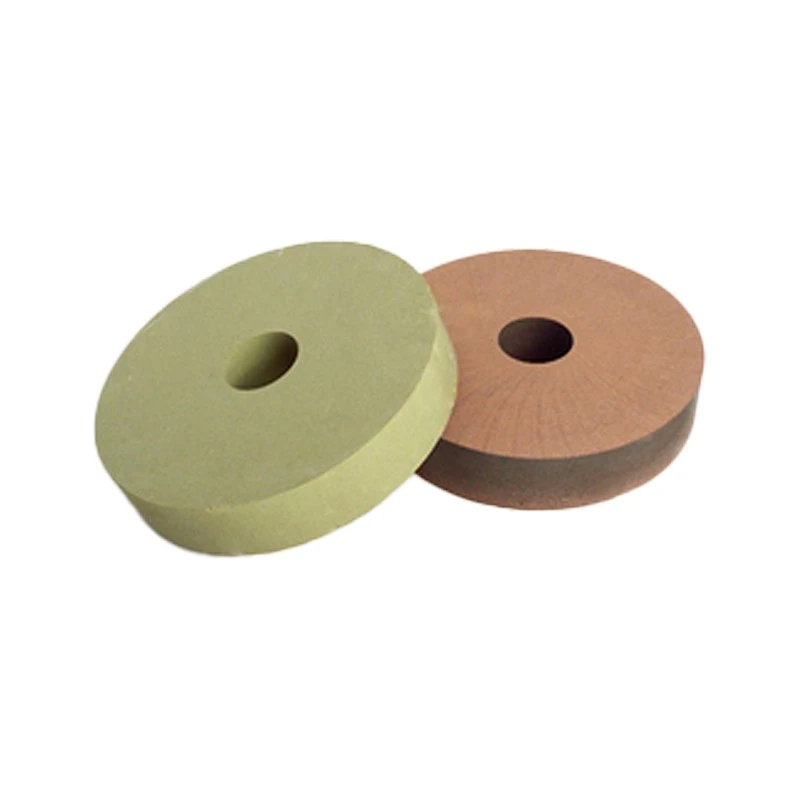
- Fine Polishing Wheel: Our fine polishing wheels are ideal for achieving a mirror - like finish on glass surfaces. They are available in different sizes and abrasive grades to suit various applications.
- Glass Grinding Wheel: Our glass grinding wheels are designed for efficient and precise grinding of glass. They are made with durable abrasive materials and are suitable for both rough grinding and fine finishing operations.
Contact Us for Purchasing
If you're in the market for glass grinding discs, we'd be more than happy to assist you. Our team of experts can help you select the right product based on your specific requirements and budget. Whether you're a small - scale glass artist or a large - scale industrial glass processor, we have the solutions for you. Contact us today to start a discussion about your glass grinding disc needs and explore the best options for your business.

References
- "Handbook of Abrasive Technology" by P. K. Rajurkar and M. Malkin
- "Abrasive Machining Processes: Modeling and Simulation" by Y. Altintas and C. Brecher