

Achieving a uniform polish on glass surfaces is a meticulous process that demands precision, the right tools, and a deep understanding of the polishing techniques. As a supplier of Glass Tools Polishing Wheels, I've witnessed firsthand the transformative power of a well - executed polish. In this blog, I'll share some insights on how to achieve a uniform polish using our glass tools polishing wheels.
Understanding the Basics of Glass Polishing
Before delving into the process, it's crucial to understand the fundamental principles of glass polishing. Glass is a hard and brittle material, and the polishing process involves removing tiny surface irregularities to create a smooth and reflective finish. This is achieved by abrading the glass surface with a polishing wheel that contains abrasive particles.
The type of abrasive used in the polishing wheel plays a significant role in the final result. Different abrasives have different hardness levels and cutting abilities, which affect the rate of material removal and the quality of the polish. For example, diamond abrasives are extremely hard and are ideal for removing deep scratches and achieving a high - gloss finish. On the other hand, cerium oxide abrasives are softer and are often used for fine polishing and buffing.
Selecting the Right Polishing Wheel
As a Glass Tools Polishing Wheel supplier, we offer a wide range of products to suit different polishing needs. When selecting a polishing wheel, several factors need to be considered, such as the type of glass, the desired finish, and the polishing equipment being used.
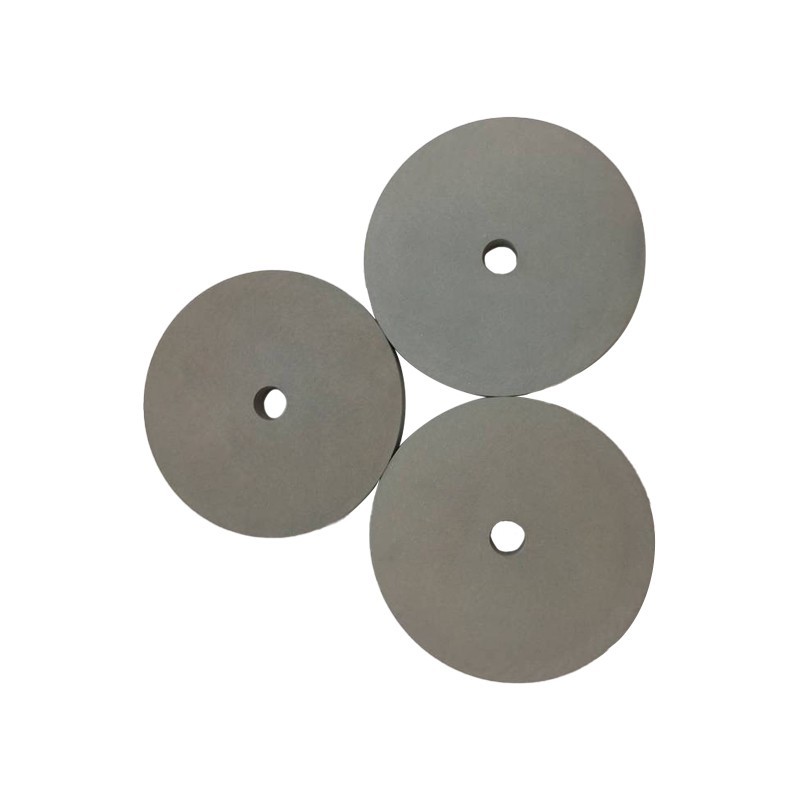

- Type of Glass: Different types of glass, such as float glass, tempered glass, and laminated glass, have different properties and require different polishing approaches. For example, tempered glass is more resistant to scratching but can be more difficult to polish due to its internal stress. In such cases, a more aggressive polishing wheel may be required initially, followed by a finer - grit wheel for the final finish.
- Desired Finish: The desired finish can range from a matte finish to a high - gloss mirror finish. A coarser - grit polishing wheel is typically used to remove scratches and rough spots, while a finer - grit wheel is used for the final polishing to achieve a smooth and shiny surface.
- Polishing Equipment: The type of polishing equipment being used, such as a hand - held polisher or a large - scale industrial polishing machine, also affects the choice of polishing wheel. Some wheels are designed specifically for use with certain types of equipment, so it's important to choose a wheel that is compatible with your setup.
Our BD Material Grinding Wheel is a popular choice for general glass polishing. It offers a good balance between cutting ability and finish quality, making it suitable for a wide range of glass types and polishing applications. The Glass Grinding Disc is another excellent option, especially for removing deep scratches and shaping the glass surface. And for more delicate surface treatment, our Glass Surface Treatment Wheel can provide a smooth and even finish.
Preparing the Glass Surface
Proper preparation of the glass surface is essential for achieving a uniform polish. Before starting the polishing process, the glass should be thoroughly cleaned to remove any dirt, dust, or debris. This can be done using a mild detergent and water, followed by a rinse with clean water and a dry with a soft cloth.
Any visible scratches or chips on the glass surface should also be addressed before polishing. Minor scratches can sometimes be removed by using a fine - grit sandpaper or a scratch - removal compound. However, for deeper scratches, a more aggressive approach may be required, such as using a coarser - grit polishing wheel.
Polishing Techniques
Once the glass surface is prepared and the appropriate polishing wheel is selected, it's time to start the polishing process. Here are some key techniques to keep in mind:
- Apply Consistent Pressure: Applying consistent pressure is crucial for achieving a uniform polish. Too much pressure can cause uneven wear on the polishing wheel and may result in a non - uniform finish. On the other hand, too little pressure may not remove enough material, leading to a dull or hazy appearance. It's important to find the right balance and maintain a steady pressure throughout the polishing process.
- Use a Proper Polishing Motion: The polishing motion also affects the quality of the finish. A circular or back - and - forth motion is commonly used, depending on the shape and size of the glass surface. It's important to cover the entire surface evenly to ensure a consistent polish. Avoid making sudden stops or starts, as this can cause uneven polishing marks.
- Cool the Polishing Wheel: Polishing generates heat, which can damage the glass and the polishing wheel. To prevent overheating, it's important to cool the polishing wheel regularly. This can be done by using a coolant or by periodically dipping the wheel in water. Cooling the wheel also helps to extend its lifespan and improve the quality of the polish.
Inspecting the Finish
After the polishing process is complete, it's important to inspect the finish carefully. Look for any signs of unevenness, scratches, or haze. If any imperfections are found, they can usually be corrected by repeating the polishing process with a finer - grit wheel or by using a polishing compound.
Maintaining the Polishing Wheels
Proper maintenance of the polishing wheels is essential for ensuring their longevity and performance. After each use, the wheels should be cleaned thoroughly to remove any glass particles or debris. This can be done by using a brush or by soaking the wheel in a cleaning solution.
The wheels should also be stored properly to prevent damage. They should be kept in a dry and cool place, away from direct sunlight and moisture. Regularly inspect the wheels for signs of wear and tear, and replace them when necessary.
Conclusion
Achieving a uniform polish with a glass tools polishing wheel requires a combination of the right tools, proper techniques, and attention to detail. As a Glass Tools Polishing Wheel supplier, we are committed to providing high - quality products and expert advice to help you achieve the best possible results. Whether you are a professional glass polisher or a DIY enthusiast, our products can help you transform your glass surfaces into works of art.
If you are interested in our products or have any questions about glass polishing, please don't hesitate to contact us for a procurement discussion. We look forward to working with you to meet your glass polishing needs.
References
- "Glass Polishing Handbook" - A comprehensive guide on glass polishing techniques and tools.
- "Advanced Abrasives for Glass Processing" - Research paper on the latest advancements in abrasive materials for glass polishing.