

When it comes to glass processing, choosing the right glass grinding disc is of utmost importance. As a reputable glass grinding disc supplier, I understand the significance of this decision and am here to guide you through the process. In this blog post, I will share some valuable insights on how to select the ideal glass grinding disc for your specific needs.
Understanding Your Glass Processing Requirements
The first step in choosing the right glass grinding disc is to clearly understand your glass processing requirements. Different glass applications demand different types of grinding discs. For example, if you are working on a glass project that involves creating decorative edges or intricate designs, you may need a more precise and specialized grinding disc. On the other hand, if your main goal is to achieve a smooth and polished surface on large glass panels, a different type of disc might be more suitable.
Consider the type of glass you are working with as well. Glass can vary in terms of its hardness, thickness, and composition. Soft glasses, such as soda-lime glass, may require a different grinding disc compared to harder glasses like borosilicate glass. The thickness of the glass also plays a role in determining the appropriate disc, as thicker glasses may need a more robust and durable disc to handle the increased workload.
Types of Glass Grinding Discs
There are several types of glass grinding discs available in the market, each designed for specific applications. Here are some common types:
Diamond Grinding Discs
Diamond grinding discs are widely used in the glass processing industry due to their exceptional hardness and durability. They are capable of grinding and polishing a variety of glass types, including tempered glass, laminated glass, and even glass with complex shapes. Diamond discs come in different grit sizes, which determine the fineness of the grinding process. Coarse grit diamond discs are suitable for initial rough grinding, while fine grit discs are used for finishing and polishing.
Resin Bonded Grinding Discs
Resin bonded grinding discs are made by bonding abrasive particles to a resin matrix. They offer a smooth and consistent grinding action, making them ideal for achieving a high-quality finish on glass surfaces. Resin bonded discs are commonly used for edge grinding, bevelling, and surface polishing of glass. They are available in various hardness levels and abrasive grain sizes to meet different glass processing requirements.
Metal Bonded Grinding Discs
Metal bonded grinding discs are known for their high strength and long service life. They are typically used for heavy-duty grinding applications, such as grinding thick glass or removing large amounts of material quickly. Metal bonded discs are more aggressive than resin bonded discs, but they may also cause more surface damage if not used properly.
V Shape Groove Polishing Wheel
The V Shape Groove Polishing Wheel is a specialized type of grinding disc designed for creating V-shaped grooves on glass surfaces. It is commonly used in the production of decorative glass products, such as glass partitions, shower doors, and furniture. The V shape groove polishing wheel offers precise control and a smooth finish, making it a popular choice among glass manufacturers.
Glass Surface Treatment Wheel
The Glass Surface Treatment Wheel is used for treating the surface of glass to improve its appearance and performance. It can be used for tasks such as removing scratches, smoothing rough surfaces, and enhancing the clarity of glass. The glass surface treatment wheel is available in different abrasive materials and grit sizes to suit various glass types and processing requirements.
Glass Mirror Polishing Wheel
The Glass Mirror Polishing Wheel is specifically designed for polishing glass mirrors to achieve a high-gloss finish. It is capable of removing any imperfections or scratches on the mirror surface, resulting in a clear and reflective mirror. The glass mirror polishing wheel is available in different sizes and shapes to accommodate different mirror dimensions and polishing needs.
Factors to Consider When Choosing a Glass Grinding Disc
In addition to understanding the different types of glass grinding discs, there are several other factors to consider when making your selection:
Grit Size
The grit size of a grinding disc refers to the size of the abrasive particles on its surface. A lower grit number indicates a coarser abrasive, which is suitable for removing large amounts of material quickly. A higher grit number indicates a finer abrasive, which is used for finishing and polishing to achieve a smooth surface. When choosing a grinding disc, consider the type of glass and the desired finish to determine the appropriate grit size.
Bond Type
The bond type of a grinding disc refers to the material used to hold the abrasive particles together. Different bond types offer different characteristics, such as hardness, toughness, and wear resistance. Resin bonds are commonly used for general-purpose grinding and polishing, while metal bonds are more suitable for heavy-duty applications. The choice of bond type depends on the specific requirements of your glass processing project.
Size and Shape
The size and shape of the grinding disc should match the size and shape of the glass you are working with. A larger disc may be more efficient for grinding large glass panels, while a smaller disc may be more suitable for working on intricate details or small glass pieces. The shape of the disc can also affect the grinding process, with different shapes designed for specific applications such as edge grinding, corner rounding, or surface polishing.
Compatibility with Your Equipment
It is important to ensure that the grinding disc you choose is compatible with your grinding equipment. Check the specifications of your equipment, such as the maximum speed, arbor size, and flange requirements, to make sure the disc can be safely and effectively used with your machine. Using an incompatible disc can lead to poor performance, increased wear and tear on your equipment, and even safety hazards.
Cost and Quality
While cost is an important consideration, it should not be the sole determining factor when choosing a glass grinding disc. Investing in a high-quality disc may cost more upfront, but it can save you money in the long run by providing better performance, longer service life, and fewer replacement costs. Look for a grinding disc that offers a good balance between cost and quality, and consider the reputation of the manufacturer and the reviews of other users.
Tips for Using Glass Grinding Discs
Once you have chosen the right glass grinding disc for your project, here are some tips to help you use it effectively:
Read the Manufacturer's Instructions
Before using the grinding disc, carefully read the manufacturer's instructions and safety guidelines. This will ensure that you are using the disc correctly and safely, and will help you avoid any potential problems or accidents.
Wear Appropriate Safety Gear
When working with glass grinding discs, it is important to wear appropriate safety gear, such as safety glasses, gloves, and a dust mask. This will protect you from flying debris, dust, and other hazards associated with grinding and polishing glass.
Start with a Coarse Grit Disc
If you are removing a large amount of material or working on a rough surface, start with a coarse grit disc to quickly remove the excess material. Then, gradually move to finer grit discs for a smoother finish.
Use the Right Pressure
Apply the right amount of pressure when using the grinding disc. Too much pressure can cause the disc to overheat, wear out quickly, or damage the glass. Too little pressure may result in inefficient grinding and a poor finish.
Keep the Disc Cool
To prevent the disc from overheating and wearing out quickly, keep it cool by using a coolant or water spray during the grinding process. This will also help to reduce dust and improve the quality of the finish.

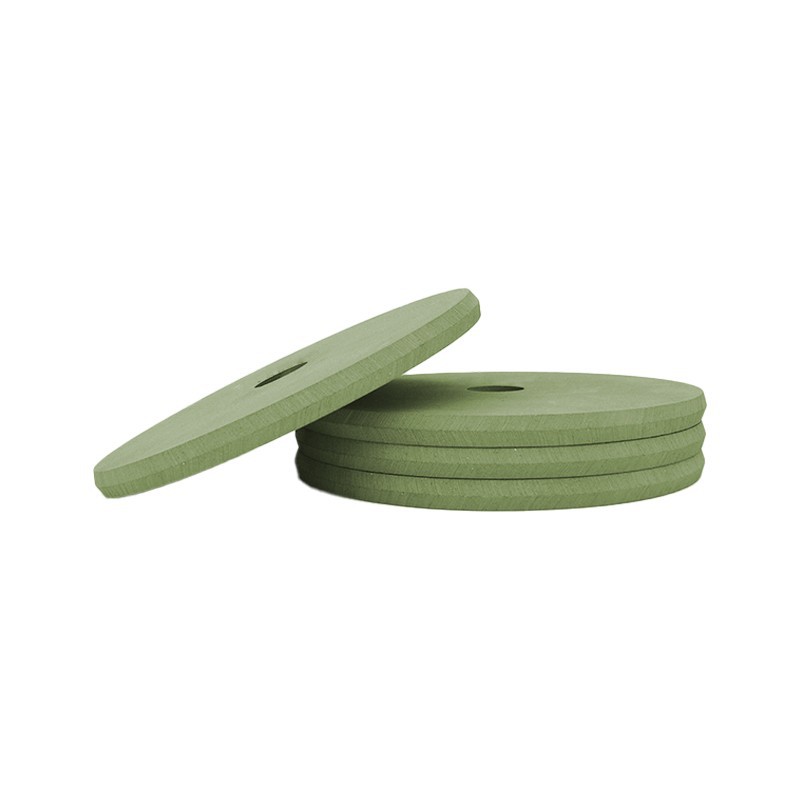
Replace the Disc When Worn
Regularly inspect the grinding disc for signs of wear and tear. When the disc becomes worn or damaged, replace it immediately to ensure safe and effective operation.
Conclusion
Choosing the right glass grinding disc is crucial for achieving high-quality results in your glass processing projects. By understanding your glass processing requirements, the different types of grinding discs available, and the factors to consider when making your selection, you can make an informed decision and choose the disc that is best suited for your needs. As a trusted glass grinding disc supplier, I am committed to providing you with high-quality products and expert advice to help you achieve your glass processing goals. If you have any questions or need further assistance, please do not hesitate to contact me for a purchase negotiation.
References
- [Insert relevant industry publications or research papers here]