

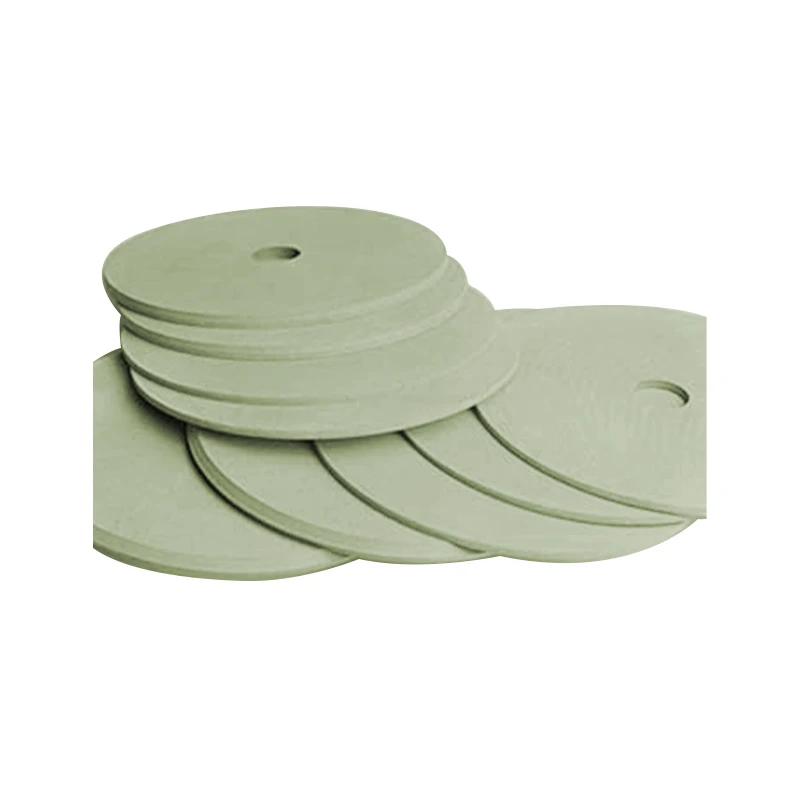
As a supplier of V Shaped Polishing Discs, I understand the importance of maintaining the performance and longevity of these essential tools. Over time, V shaped polishing discs can become contaminated with various materials, which can significantly impact their effectiveness. In this blog post, I'll share some practical tips on how to clean V shaped polishing discs contaminated with different materials, ensuring they continue to deliver optimal results.

Understanding the Contaminants
Before diving into the cleaning process, it's crucial to identify the type of contaminants on the polishing discs. Different materials require different cleaning methods to avoid damaging the disc's surface and abrasive properties. Here are some common contaminants and their characteristics:
Resin and Adhesive Residues
Resin and adhesive residues are often left behind after polishing operations involving bonding agents. These residues can build up on the disc's surface, reducing its cutting ability and causing uneven polishing. They are typically sticky and can be difficult to remove without the right approach.
Metal Shavings and Debris
When polishing metal surfaces, the V shaped polishing disc can accumulate metal shavings and debris. These particles can clog the disc's pores, preventing it from effectively removing material and leading to overheating. Metal shavings are sharp and can also cause scratches on the polished surface if not removed properly.
Dust and Particles
Dust and particles from the material being polished, such as wood, plastic, or stone, can adhere to the disc. While they may seem less problematic than other contaminants, excessive dust can still affect the disc's performance by reducing its abrasive action and causing it to wear out faster.
Cleaning Methods for Different Contaminants
Cleaning Resin and Adhesive Residues
- Solvent Cleaning: Use a suitable solvent that can dissolve the resin or adhesive without damaging the disc. Acetone or isopropyl alcohol are commonly used solvents for this purpose. Apply the solvent to a clean cloth or sponge and gently rub the contaminated areas of the disc. Be careful not to soak the disc in the solvent, as this can weaken the bond between the abrasive particles and the disc substrate.
- Heat Treatment: In some cases, applying heat can soften the resin or adhesive, making it easier to remove. You can use a heat gun or a hair dryer on a low setting to warm the contaminated areas. Once the residue has softened, use a plastic scraper or a soft brush to gently scrape it off. However, be cautious not to overheat the disc, as this can damage the abrasive particles.
Removing Metal Shavings and Debris
- Brushing: Use a stiff brush, such as a wire brush or a brass brush, to remove the metal shavings and debris from the disc. Brush the disc in a circular motion, applying moderate pressure to dislodge the particles. Make sure to brush both the surface and the edges of the disc to ensure thorough cleaning.
- Compressed Air: If the metal shavings are difficult to remove with a brush, you can use compressed air to blow them off. Hold the disc firmly and direct the compressed air at the contaminated areas. This method is especially effective for removing small particles that may be trapped in the disc's pores.
Cleaning Dust and Particles
- Vacuum Cleaning: Use a vacuum cleaner with a soft brush attachment to remove the dust and particles from the disc. Gently run the brush over the surface of the disc, being careful not to apply too much pressure. This will help to remove the loose dust and prevent it from accumulating further.
- Washing with Water: For discs contaminated with dust and particles from non - porous materials, you can wash them with water. Use a mild detergent and warm water to create a soapy solution. Immerse the disc in the solution and gently scrub it with a soft brush. Rinse the disc thoroughly with clean water and allow it to dry completely before using it again.
General Tips for Cleaning V Shaped Polishing Discs
- Safety First: Always wear appropriate personal protective equipment, such as gloves and safety glasses, when cleaning the polishing discs. Some solvents and cleaning agents can be harmful if they come into contact with your skin or eyes.
- Regular Maintenance: Establish a regular cleaning schedule for your V shaped polishing discs. Cleaning them after each use or after a certain number of polishing operations can prevent the buildup of contaminants and extend their lifespan.
- Inspect the Discs: Before and after cleaning, inspect the polishing discs for any signs of damage, such as cracks, chips, or excessive wear. If a disc is damaged, it should be replaced immediately to avoid compromising the quality of the polishing process.
The Benefits of Clean V Shaped Polishing Discs
Maintaining clean V shaped polishing discs offers several benefits:
- Improved Performance: A clean disc can provide better cutting and polishing action, resulting in a smoother and more uniform finish on the workpiece.
- Extended Lifespan: By removing contaminants, you can reduce the wear and tear on the disc, allowing it to last longer and save you money in the long run.
- Consistent Quality: Clean discs ensure consistent polishing results, which is essential for meeting the quality standards of your customers.
Conclusion
Cleaning V shaped polishing discs contaminated with different materials is an important part of maintaining their performance and longevity. By understanding the type of contaminants and using the appropriate cleaning methods, you can keep your discs in top condition and ensure optimal results in your polishing operations.
If you're in the market for high - quality V Shaped Polishing Discs, we offer a wide range of products that are designed to meet your specific needs. Our V Shaped Polishing Disc is made with premium abrasive materials and advanced manufacturing techniques, providing excellent cutting performance and durability. We also have other related products such as BD Polishing Disc and Glass Surface Treatment Wheel that can complement your polishing processes.
If you're interested in learning more about our products or have any questions regarding the cleaning and maintenance of polishing discs, feel free to reach out to us for a procurement discussion. We're here to help you find the best solutions for your polishing needs.
References
- "Handbook of Abrasive Technology" by R. K. Jain
- "Polishing and Finishing of Materials" by John Wiley & Sons