

Hey there! As a supplier of Glass Grinding Discs, I've seen my fair share of glass table tops going through the grinding process. One of the most common concerns that glass fabricators and DIY enthusiasts alike have is how to ensure the flatness of the glass table top after grinding with a disc. In this blog post, I'm gonna share some tips and tricks that I've picked up over the years to help you achieve that perfect flat finish.
Understanding the Basics of Glass Grinding
Before we dive into the tips, let's quickly go over the basics of glass grinding. When you're using a grinding disc on a glass table top, you're essentially removing small amounts of glass to shape and smooth the surface. The key to achieving a flat surface is to make sure that the grinding pressure is evenly distributed across the entire surface of the glass. If the pressure is too high in one area, it can cause the glass to be uneven, resulting in a wavy or bumpy surface.
Choosing the Right Grinding Disc
The first step in ensuring the flatness of your glass table top is to choose the right grinding disc. There are several factors to consider when selecting a grinding disc, including the grit size, the type of abrasive material, and the disc's hardness.
- Grit Size: The grit size of a grinding disc determines how coarse or fine the abrasive particles are. A lower grit size (e.g., 60 or 80) is more coarse and is typically used for rough grinding, while a higher grit size (e.g., 220 or 400) is finer and is used for finishing. For achieving a flat surface, it's best to start with a lower grit size to remove any major imperfections and then gradually work your way up to a higher grit size for a smoother finish.
- Abrasive Material: There are several types of abrasive materials used in grinding discs, including diamond, silicon carbide, and aluminum oxide. Diamond is the hardest and most durable abrasive material, making it ideal for grinding hard materials like glass. Silicon carbide is a less expensive alternative to diamond and is also effective for grinding glass. Aluminum oxide is a softer abrasive material and is typically used for finishing and polishing.
- Disc Hardness: The hardness of a grinding disc refers to how easily the abrasive particles break down during grinding. A harder disc will last longer but may be more difficult to control, while a softer disc will wear down more quickly but may provide a smoother finish. For achieving a flat surface, it's best to use a medium-hardness disc.
Preparing the Glass Table Top
Once you've chosen the right grinding disc, it's time to prepare the glass table top for grinding. Here are some steps to follow:
- Clean the Glass: Before you start grinding, make sure the glass table top is clean and free of any dirt, dust, or debris. You can use a glass cleaner and a microfiber cloth to clean the surface.
- Mark the Grinding Area: Use a marker or a piece of tape to mark the area of the glass table top that you want to grind. This will help you stay focused and ensure that you don't grind more than you need to.
- Secure the Glass: To prevent the glass table top from moving during grinding, it's important to secure it firmly in place. You can use a clamp or a suction cup to hold the glass in place.
Grinding the Glass Table Top
Now that you've prepared the glass table top, it's time to start grinding. Here are some tips to help you achieve a flat surface:

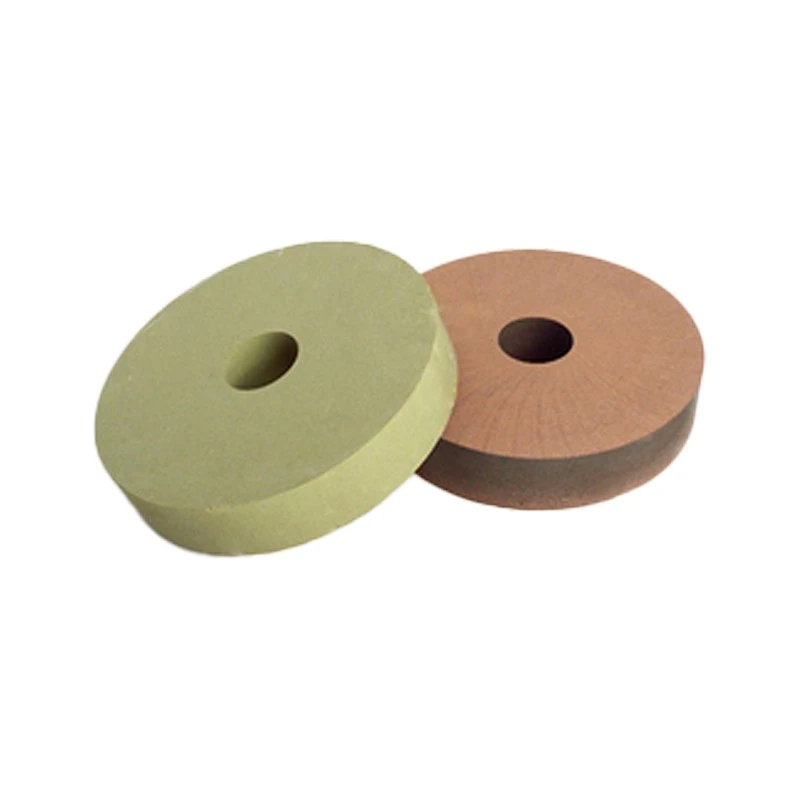
- Use a Consistent Grinding Pressure: As I mentioned earlier, the key to achieving a flat surface is to make sure that the grinding pressure is evenly distributed across the entire surface of the glass. To do this, apply a consistent pressure to the grinding disc as you move it across the glass. Avoid applying too much pressure in one area, as this can cause the glass to be uneven.
- Move the Grinding Disc in a Circular Motion: To ensure that the grinding is evenly distributed, move the grinding disc in a circular motion across the glass. This will help prevent any uneven wear on the disc and ensure that the surface of the glass is smooth and flat.
- Keep the Grinding Disc Cool: Grinding generates heat, which can cause the glass to crack or break. To prevent this from happening, make sure to keep the grinding disc cool by using a coolant or by periodically dipping the disc in water.
- Check the Flatness Regularly: As you're grinding the glass table top, it's important to check the flatness regularly to make sure that you're on the right track. You can use a straightedge or a flat surface to check the flatness of the glass. If you notice any areas that are uneven, you can go back and grind them some more until they're flat.
Finishing the Glass Table Top
Once you've achieved a flat surface, it's time to finish the glass table top. This involves using a finer grit grinding disc or a Fine Polishing Wheel to smooth out the surface and give it a polished look. Here are some tips to help you finish the glass table top:
- Choose the Right Finishing Disc or Wheel: As with the grinding disc, the grit size and type of abrasive material are important factors to consider when choosing a finishing disc or wheel. For a polished finish, it's best to use a high grit size (e.g., 1000 or 2000) and a soft abrasive material like felt or foam.
- Apply a Lubricant: To prevent the finishing disc or wheel from scratching the glass, it's important to apply a lubricant to the surface. You can use water, oil, or a specialized glass polishing compound as a lubricant.
- Use a Slow and Steady Motion: When finishing the glass table top, it's important to use a slow and steady motion to avoid creating any swirl marks or scratches. Move the finishing disc or wheel in a circular motion across the glass, applying a light pressure.
- Clean the Glass: Once you've finished polishing the glass table top, make sure to clean it thoroughly to remove any polishing compound or debris. You can use a glass cleaner and a microfiber cloth to clean the surface.
Troubleshooting Common Problems
Even if you follow all of the tips and tricks outlined in this blog post, you may still encounter some problems when grinding and finishing a glass table top. Here are some common problems and how to troubleshoot them:
- Uneven Surface: If you notice that the surface of the glass table top is uneven, it may be because the grinding pressure was not evenly distributed or because the grinding disc was worn out. To fix this problem, go back and grind the uneven areas some more, making sure to apply a consistent pressure. If the grinding disc is worn out, replace it with a new one.
- Scratches: Scratches can occur if the grinding disc or finishing wheel is too coarse or if the glass is not properly lubricated. To fix this problem, use a finer grit grinding disc or finishing wheel and make sure to apply a lubricant to the surface. You can also try using a glass scratch repair kit to remove the scratches.
- Cracks or Breaks: Cracks or breaks can occur if the glass is subjected to too much pressure during grinding or if it is not properly supported. To prevent this from happening, make sure to apply a consistent pressure to the grinding disc and to support the glass properly. If the glass does crack or break, it will need to be replaced.
Conclusion
Achieving a flat surface on a glass table top after grinding with a disc requires a combination of the right tools, techniques, and patience. By following the tips and tricks outlined in this blog post, you can ensure that your glass table top is smooth, flat, and free of any imperfections.
If you're in the market for high-quality Glass Grinding Discs or other Glass Tools Polishing Wheel and Glass Engraving Polishing Wheel, look no further! As a leading supplier of glass grinding and polishing products, we offer a wide range of products to meet your needs. Contact us today to learn more about our products and to start a procurement negotiation.
References
- "Glass Grinding and Polishing: A Guide for Beginners." DIY Glass Projects.
- "How to Grind and Polish Glass." Glass Art Magazine.
- "The Basics of Glass Grinding." Glass Fabrication Journal.