

Ensuring the polishing consistency of a Durable BD Polishing Wheel is crucial for both suppliers and end - users. As a supplier of Durable BD Polishing Wheels, I understand the significance of maintaining high - quality and consistent polishing results. In this blog, I will share some key factors and strategies to achieve this goal.
Understanding the Durable BD Polishing Wheel
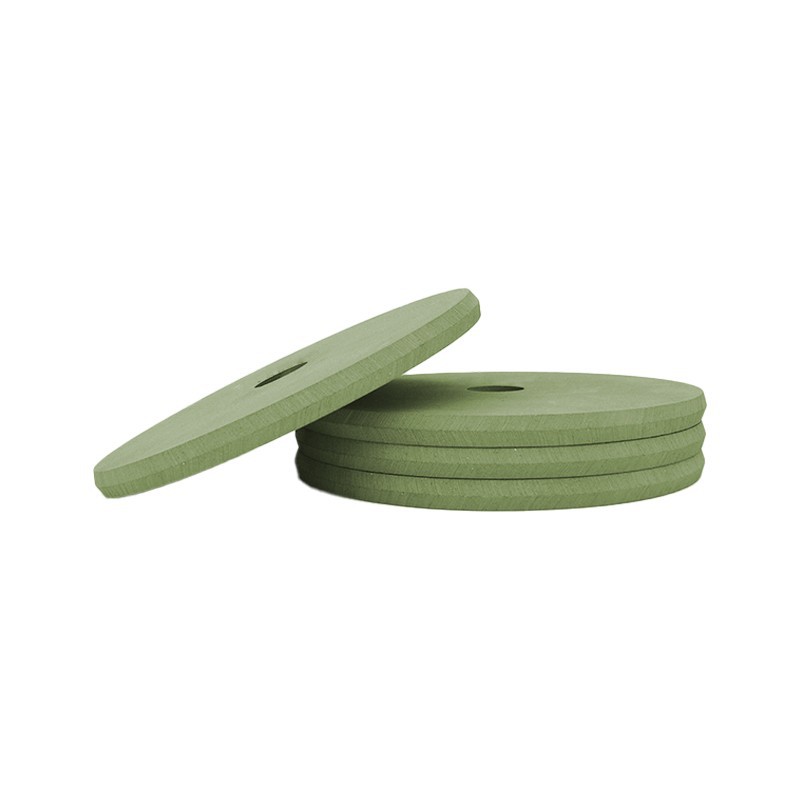
The Durable BD Polishing Wheel is a high - performance tool designed for various polishing applications. It is known for its durability, which allows it to withstand the rigors of continuous use. However, to ensure consistent polishing, we need to understand its structure and working principles.
The Durable BD Polishing Wheel is typically composed of a base material and an abrasive layer. The base material provides the structural support, while the abrasive layer is responsible for the actual polishing. The quality of both the base material and the abrasive layer can significantly affect the polishing consistency.
Factors Affecting Polishing Consistency
1. Abrasive Quality
The quality of the abrasive used in the polishing wheel is of utmost importance. High - quality abrasives have consistent particle sizes and hardness. If the abrasive particles are not uniform in size, it can lead to uneven polishing. For example, larger particles may cause deeper scratches, while smaller particles may not be effective enough in removing the surface roughness.
We source our abrasives from reliable suppliers and conduct strict quality control tests. These tests include particle size analysis, hardness testing, and chemical composition analysis. By ensuring the quality of the abrasives, we can maintain a consistent polishing performance.

2. Wheel Manufacturing Process
The manufacturing process of the polishing wheel also plays a vital role in ensuring consistency. During the manufacturing process, factors such as the bonding strength between the abrasive and the base material, the uniformity of the abrasive distribution, and the overall shape and balance of the wheel need to be carefully controlled.
We use advanced manufacturing techniques to ensure that each Durable BD Polishing Wheel meets our high - quality standards. For example, we use precision molding and curing processes to ensure that the abrasive is evenly distributed and firmly bonded to the base material. This helps to prevent the abrasive from falling off during use, which could lead to inconsistent polishing.
3. Operating Conditions
The operating conditions, such as the polishing pressure, speed, and the type of workpiece, can also affect the polishing consistency. Different workpieces may require different polishing parameters. For instance, a softer material may require a lower polishing pressure and speed to avoid over - polishing.
We provide detailed operating instructions to our customers to help them optimize the polishing process. These instructions include recommended polishing pressures, speeds, and the types of lubricants to use. By following these instructions, customers can achieve more consistent polishing results.
Strategies to Ensure Polishing Consistency
1. Regular Maintenance
Regular maintenance of the Durable BD Polishing Wheel is essential for ensuring consistent polishing. This includes cleaning the wheel after each use to remove any debris or contaminants. Over time, debris can accumulate on the wheel surface, which can affect its polishing performance.
We recommend using a soft brush or compressed air to clean the wheel. Additionally, periodic dressing of the wheel may be required to restore its cutting ability. Dressing involves removing the worn - out abrasive layer to expose fresh abrasive particles.
2. Quality Control Checks
Implementing a comprehensive quality control system is crucial for ensuring the consistency of our polishing wheels. We conduct multiple quality control checks at different stages of the manufacturing process. These checks include visual inspections, dimensional measurements, and performance tests.
Before a polishing wheel is shipped to a customer, it undergoes a final performance test. This test simulates the actual polishing conditions to ensure that the wheel meets our quality standards. If any issues are detected during the quality control checks, the wheel is either re - worked or discarded.
3. Training and Support
Providing training and support to our customers is another important strategy to ensure polishing consistency. We offer training programs to help customers understand the proper use and maintenance of our Durable BD Polishing Wheels. These training programs cover topics such as operating parameters, safety procedures, and troubleshooting.
In addition to training, we also provide technical support to our customers. Our technical support team is available to answer any questions and provide assistance in case of any problems. By ensuring that our customers have the knowledge and support they need, we can help them achieve consistent polishing results.
Different Types of Polishing Wheels and Their Consistency
We offer a variety of polishing wheels, including Glass Mirror Polishing Wheel, V Shape Groove Polishing Wheel, and Glass Engraving Polishing Wheel. Each type of wheel has its own unique characteristics and requirements for ensuring polishing consistency.
Glass Mirror Polishing Wheel
The Glass Mirror Polishing Wheel is designed to provide a high - gloss finish on glass mirrors. To ensure consistent polishing, it is important to use the correct polishing pressure and speed. A too - high pressure can cause scratches on the glass surface, while a too - low pressure may not be effective in achieving the desired finish.
We recommend using a lubricant specifically designed for glass polishing to reduce friction and heat generation. This helps to prevent damage to the glass and ensures a more consistent polishing result.
V Shape Groove Polishing Wheel
The V Shape Groove Polishing Wheel is used for polishing V - shaped grooves in various materials. To ensure consistent polishing in the grooves, it is important to use a wheel with the correct shape and size. The wheel should be able to fit precisely into the groove to ensure even polishing.
Additionally, the polishing speed and pressure need to be carefully controlled. A higher speed may be required to achieve a smooth finish in the grooves, but it also needs to be balanced to avoid over - polishing.
Glass Engraving Polishing Wheel
The Glass Engraving Polishing Wheel is used for polishing engraved glass surfaces. This type of wheel requires a high level of precision to ensure that the engraved details are not damaged during the polishing process.
We recommend using a fine - grit abrasive for glass engraving polishing to achieve a smooth and consistent finish. The polishing process should be carried out slowly and carefully to avoid any damage to the engraved areas.
Conclusion
Ensuring the polishing consistency of a Durable BD Polishing Wheel is a complex but achievable goal. By focusing on factors such as abrasive quality, manufacturing process, operating conditions, and maintenance, we can provide high - quality polishing wheels that deliver consistent results.
If you are interested in our Durable BD Polishing Wheels or any of our other products, we invite you to contact us for a procurement discussion. We are committed to providing the best products and services to meet your polishing needs.
References
- Smith, J. (2018). Polishing Technology: Principles and Applications. Publisher XYZ.
- Johnson, R. (2019). Abrasive Materials and Their Use in Polishing. Journal of Manufacturing Science, 25(3), 123 - 135.
- Brown, A. (2020). Quality Control in Polishing Wheel Manufacturing. International Journal of Quality Assurance, 15(2), 78 - 90.