

Hey there! As a supplier of V-edge Polishing Wheels, I've seen firsthand the challenges that come with achieving uniform polishing. It's not always a walk in the park, but with the right techniques and tools, you can get that perfect finish every time. In this blog post, I'll share some tips on how to ensure uniform polishing with a V-edge Polishing Wheel.
Understanding the Basics of V-edge Polishing Wheels
First things first, let's talk a bit about V-edge Polishing Wheels. These wheels are designed specifically for polishing the edges of glass, ceramic, and other materials. The V-shaped edge of the wheel allows for precise polishing in hard-to-reach areas, making it ideal for creating smooth, even finishes on edges.
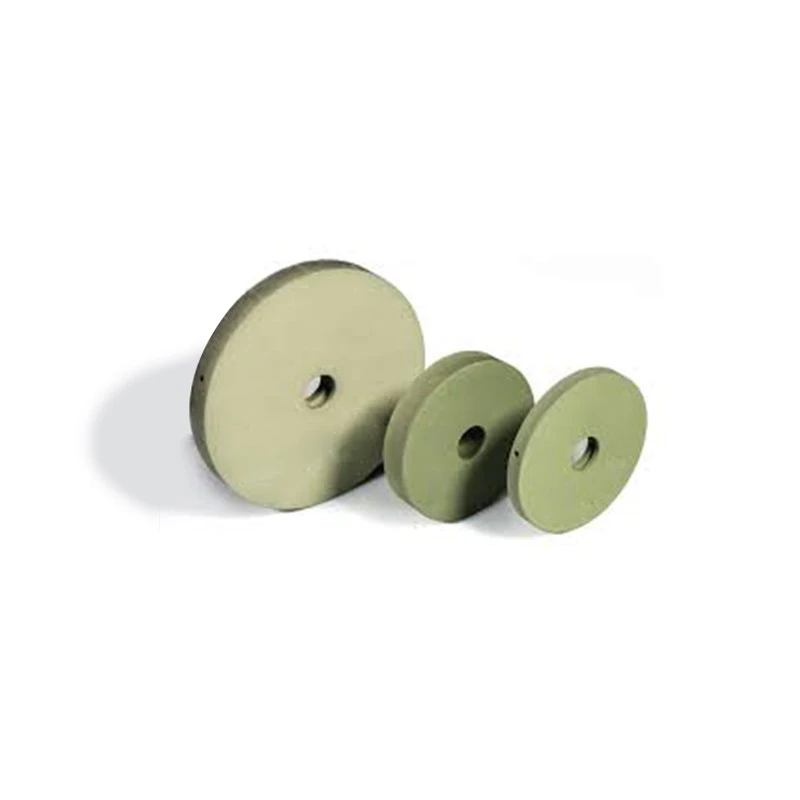
We offer a range of V-edge Polishing Wheels, including the Glass Edge Polishing Wheel, which is great for general glass edge polishing, and the Durable BD Polishing Wheel, known for its long-lasting performance. There's also the BD Polishing Disc, which provides a different option for polishing tasks.
Preparing Your Workpiece
Before you start polishing, it's crucial to prepare your workpiece properly. This involves cleaning the surface to remove any dirt, dust, or debris that could affect the polishing process. You can use a mild detergent and water to clean the surface, followed by a thorough rinse and dry.
Next, check the edges of your workpiece for any chips, cracks, or rough spots. If you find any, you'll need to repair them before polishing. This can be done using a suitable filler or by grinding the edges to remove the imperfections.
Choosing the Right Polishing Wheel
Selecting the appropriate V-edge Polishing Wheel is essential for achieving uniform polishing. Consider the material you're polishing, the desired finish, and the size of the edge. For example, if you're polishing a thick piece of glass, you might need a more aggressive wheel to remove material quickly. On the other hand, if you're looking for a fine, mirror-like finish, a softer wheel would be a better choice.
Our Glass Edge Polishing Wheel is available in different grits, allowing you to choose the one that best suits your needs. The coarser grits are great for initial shaping and material removal, while the finer grits are used for final polishing and achieving a smooth finish.
Setting Up Your Polishing Machine
Once you've chosen the right polishing wheel, it's time to set up your polishing machine. Make sure the machine is properly calibrated and the wheel is securely mounted. Check the speed settings of the machine and adjust them according to the type of material and the polishing wheel you're using.
It's also important to use the right coolant or lubricant during the polishing process. This helps to reduce heat and friction, which can prevent damage to the workpiece and the polishing wheel. Apply the coolant or lubricant evenly to the wheel and the workpiece to ensure smooth and efficient polishing.
Polishing Techniques
Now, let's get into the actual polishing techniques. When using a V-edge Polishing Wheel, it's important to maintain a consistent pressure and speed. Apply gentle, even pressure to the wheel as you move it along the edge of the workpiece. Avoid applying too much pressure, as this can cause uneven polishing and may even damage the workpiece.
Move the wheel in a smooth, continuous motion, following the contour of the edge. Try to keep the wheel at a consistent angle to the edge to ensure uniform polishing. If you're polishing a long edge, it can be helpful to use a guide or a template to keep the wheel on track.
Another important tip is to make multiple passes over the edge. Start with a coarser grit wheel to remove any rough spots and shape the edge, then gradually move to finer grit wheels for a smoother finish. This step-by-step approach helps to ensure that the polishing is uniform and that you achieve the desired result.
Inspecting Your Work
After you've finished polishing, take the time to inspect your work. Check the edge for any signs of uneven polishing, such as streaks, scratches, or variations in the finish. If you find any issues, you may need to go back and make some adjustments.
Use a magnifying glass or a bright light to get a closer look at the edge. This can help you identify any small imperfections that may not be visible to the naked eye. If necessary, you can use a finer grit wheel or a polishing compound to touch up the areas that need improvement.
Maintaining Your Polishing Wheel
To ensure consistent and uniform polishing over time, it's important to maintain your V-edge Polishing Wheel properly. After each use, clean the wheel to remove any debris or residue. You can use a brush or a cleaning solution to do this.
Inspect the wheel regularly for signs of wear and tear. If the wheel is starting to show signs of damage, such as a worn-out edge or a loss of grit, it's time to replace it. Using a worn-out wheel can result in uneven polishing and may even damage your workpiece.
Troubleshooting Common Issues
Even with the best techniques and equipment, you may encounter some common issues during the polishing process. Here are a few tips on how to troubleshoot these problems:
- Uneven polishing: If you notice that the edge is not being polished evenly, check the pressure and speed of the wheel. Make sure you're applying consistent pressure and moving the wheel at a steady pace. You may also need to adjust the angle of the wheel or make multiple passes over the uneven areas.
- Scratches or marks: Scratches or marks on the edge can be caused by a dirty wheel, a worn-out wheel, or excessive pressure. Clean the wheel and make sure it's in good condition. Reduce the pressure and use a finer grit wheel if necessary.
- Heat buildup: Excessive heat can cause the workpiece to crack or the polishing wheel to wear out quickly. Make sure you're using the right coolant or lubricant and that it's being applied evenly. You may also need to reduce the speed of the machine or take breaks to allow the wheel and the workpiece to cool down.
Conclusion
Achieving uniform polishing with a V-edge Polishing Wheel requires a combination of the right techniques, the right tools, and a bit of practice. By following the tips outlined in this blog post, you can ensure that your polishing results are consistent and professional-looking.
If you're interested in purchasing our V-edge Polishing Wheels or have any questions about our products, don't hesitate to get in touch. We're here to help you find the perfect solution for your polishing needs. Whether you're a professional glassworker or a DIY enthusiast, we've got the products and expertise to support you.

References
- "Polishing Techniques for Glass and Ceramics" - Industry Handbook
- "Guide to Using Polishing Wheels" - Manufacturer's Manual