

Hey there! As a supplier of Glass Edge Polishing Wheels, I've been in the game for quite a while, and I know how crucial it is to evaluate the polishing performance improvement of these wheels over time. In this blog, I'll share some tips and insights on how you can do just that.
First off, let's talk about why evaluating the performance improvement of a glass edge polishing wheel is so important. When you're using these wheels in a production environment, you want to make sure that they're getting better at their job as time goes on. A wheel that improves its polishing performance can lead to higher quality glass products, increased efficiency, and ultimately, more satisfied customers.
One of the first things you need to do when evaluating the polishing performance improvement of a glass edge polishing wheel is to set up a baseline. This means measuring the initial performance of the wheel when it's brand new. You can do this by polishing a sample piece of glass and then using a variety of measurement techniques to assess the quality of the polish. Some common measurements include surface roughness, gloss, and edge finish.
Once you have your baseline measurements, you can start using the wheel in your production process. As you use the wheel, keep track of how it's performing. You can do this by periodically taking more measurements of the polished glass. Compare these new measurements to your baseline to see if there's been any improvement.
There are a few factors that can contribute to the improvement of a glass edge polishing wheel's performance over time. One of the most important factors is the wear and tear on the wheel. As the wheel is used, the abrasive particles on its surface start to break down and become more evenly distributed. This can lead to a smoother and more consistent polish.
Another factor that can affect the performance of a glass edge polishing wheel is the type of glass you're polishing. Different types of glass have different hardness and chemical compositions, which can affect how well the wheel polishes them. For example, a wheel that works great on soda-lime glass might not work as well on borosilicate glass. Make sure you're using the right wheel for the type of glass you're working with.
The operating conditions of the polishing machine can also have an impact on the performance of the wheel. Things like the speed of the machine, the pressure applied to the wheel, and the amount of coolant used can all affect how well the wheel polishes the glass. Make sure you're operating the machine within the recommended parameters to get the best results.
Now, let's talk about some specific techniques you can use to evaluate the performance improvement of a glass edge polishing wheel. One technique is to use a profilometer. A profilometer is a device that measures the surface roughness of a material. By taking profilometer measurements of the polished glass before and after using the wheel, you can see if there's been any improvement in the surface finish.
Another technique is to use a gloss meter. A gloss meter measures the amount of light reflected off the surface of the glass. A higher gloss reading indicates a smoother and more polished surface. By taking gloss meter measurements over time, you can track the improvement in the wheel's polishing performance.
You can also visually inspect the polished glass to look for signs of improvement. Look for things like a more consistent polish, fewer scratches, and a better edge finish. While visual inspection is subjective, it can still give you a good idea of how well the wheel is performing.
In addition to these evaluation techniques, it's also a good idea to keep a record of your observations and measurements. This can help you track the performance of the wheel over time and identify any trends or patterns. You can use a spreadsheet or a database to keep track of your data.
Now, let's talk about some of the products we offer as a Glass Edge Polishing Wheel supplier. We have a wide range of wheels to choose from, including the Glass Engraving Polishing Wheel, the Durable BD Polishing Wheel, and the Glass Grinding Wheel. Each of these wheels is designed to provide high-quality polishing performance and long-lasting durability.
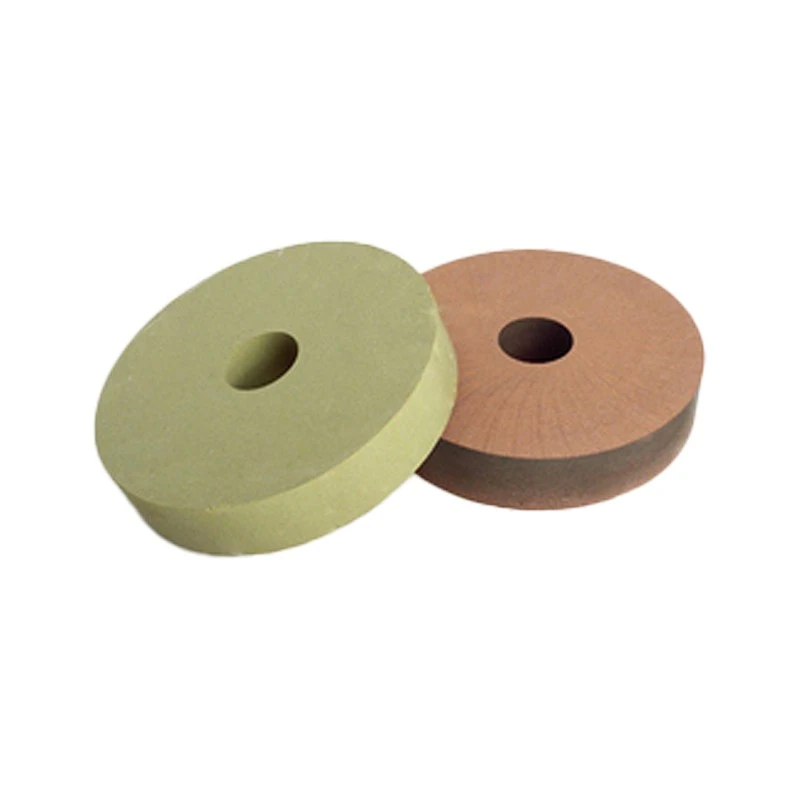

The Glass Engraving Polishing Wheel is perfect for creating detailed engravings on glass surfaces. It has a fine abrasive grit that allows for precise and smooth polishing. The Durable BD Polishing Wheel is known for its durability and long service life. It can handle heavy-duty polishing tasks without losing its effectiveness. The Glass Grinding Wheel is designed to quickly and efficiently remove material from the glass edge, leaving a smooth and even surface.
If you're in the market for a high-quality glass edge polishing wheel, we'd love to hear from you. We can help you choose the right wheel for your specific needs and provide you with all the information you need to make an informed decision. Whether you're a small glass shop or a large manufacturing facility, we have the products and expertise to meet your requirements.
In conclusion, evaluating the polishing performance improvement of a glass edge polishing wheel over time is an important part of ensuring the quality of your glass products. By setting up a baseline, tracking the performance of the wheel, and using the right evaluation techniques, you can make sure that your wheel is getting better at its job. And if you're looking for a reliable supplier of glass edge polishing wheels, look no further. Contact us today to start the conversation about your polishing needs.
References
- ASTM International. (2023). Standard Test Methods for Measurement of Surface Roughness. ASTM D7127 - 19.
- ISO. (2022). Geometrical product specifications (GPS) - Surface texture: Profile method - Terms, definitions and surface texture parameters. ISO 4287:2019.