

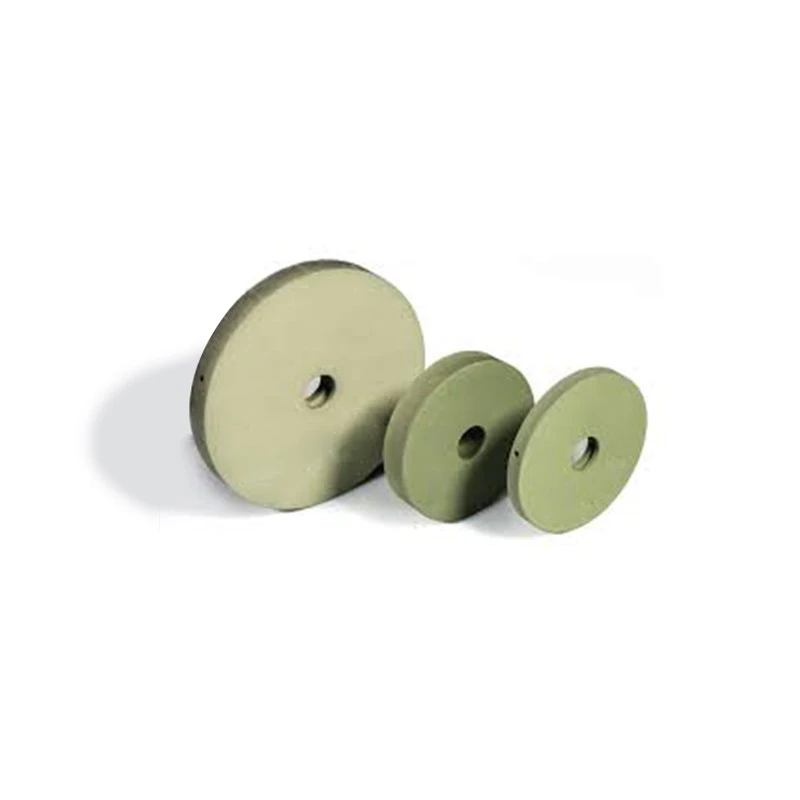
V - groove polishing wheels are essential tools in various industries, especially in glass processing and metal finishing. As a supplier of V - groove polishing wheels, I've encountered numerous common problems that customers often face. In this blog, I'll delve into these issues, explain their causes, and offer some solutions.

1. Uneven Polishing
One of the most prevalent problems with V - groove polishing wheels is uneven polishing. This issue manifests as inconsistent surface finish within the V - groove. Some parts of the groove may be highly polished, while others remain dull or have visible scratches.
The root causes of uneven polishing can be multi - fold. Firstly, improper wheel installation can lead to this problem. If the wheel is not mounted correctly on the polishing machine, it may not rotate evenly, resulting in uneven contact with the workpiece. Secondly, the pressure applied during the polishing process is crucial. Inconsistent pressure across the V - groove can cause some areas to be polished more than others. Thirdly, wear and tear of the wheel itself can also contribute to uneven polishing. Over time, the abrasive particles on the wheel may wear off unevenly, leading to a non - uniform polishing effect.
To address this problem, ensure that the wheel is installed precisely according to the manufacturer's instructions. Use a torque wrench if necessary to guarantee proper tightening. Additionally, train operators to apply consistent pressure throughout the polishing process. Regularly inspect the wheel for signs of wear. If the wheel is worn unevenly, it may need to be replaced or dressed to restore its uniform surface.
2. Excessive Wear
Excessive wear of V - groove polishing wheels is another common headache. When a wheel wears out too quickly, it not only increases the cost of production but also affects the quality of the polished products.
There are several factors that can cause excessive wear. One of the main reasons is using the wrong type of wheel for the material being polished. For example, if a wheel designed for soft materials is used on a hard metal, it will wear out rapidly due to the high abrasion resistance of the hard material. Another factor is the operating conditions. High - speed polishing or applying too much pressure can accelerate the wear of the wheel. Moreover, the presence of contaminants in the polishing environment, such as dust or debris, can also increase the wear rate by acting as additional abrasives.
To prevent excessive wear, carefully select the appropriate wheel based on the material of the workpiece. Check the wheel's specifications and consult with the manufacturer if needed. Adjust the polishing speed and pressure to the recommended levels. Keep the polishing area clean and install proper dust collection systems to remove contaminants.
3. Poor Edge Quality
In applications where precise edge polishing is required, such as in glass processing, poor edge quality is a significant concern. This may include chipping, rough edges, or inconsistent edge profiles.
The cause of poor edge quality can be related to the wheel's design and condition. If the V - groove of the wheel is not accurately shaped or has damaged edges, it will transfer these imperfections to the workpiece. In addition, the hardness of the wheel may not be suitable for the material. A too - hard wheel can cause chipping, while a too - soft wheel may not be able to achieve a sharp and clean edge.
To improve edge quality, choose a wheel with a well - defined and accurately machined V - groove. Ensure that the wheel's hardness is appropriate for the material. For example, Glass Edge Polishing Wheel is specifically designed for glass edge polishing and can provide better edge quality. Regularly check the wheel's edges for damage and replace it if necessary.
4. Heat Generation
During the polishing process, heat generation is a common problem. Excessive heat can cause several issues, including thermal damage to the workpiece, wheel deformation, and reduced abrasive performance.
The main cause of heat generation is the friction between the wheel and the workpiece. High - speed rotation and high pressure increase the frictional force, leading to more heat production. In addition, using a wheel with a low - quality bonding agent can also cause heat - related problems, as the bonding agent may break down under high temperatures.
To manage heat generation, use a coolant or lubricant during the polishing process. Coolants can reduce the frictional force and dissipate heat effectively. Select a wheel with a high - quality bonding agent that can withstand high temperatures. Adjust the polishing parameters, such as speed and pressure, to minimize heat generation.
5. Clogging
Clogging occurs when the pores of the V - groove polishing wheel become filled with debris from the workpiece. This can significantly reduce the wheel's abrasive performance and lead to uneven polishing.
Clogging is often caused by using a wheel with a too - fine grit for the material. Fine - grit wheels have smaller pores, which are more likely to be blocked by debris particles. In addition, the type of material being polished can also affect clogging. Soft and sticky materials, such as some plastics, are more prone to clogging the wheel.
To prevent clogging, choose a wheel with an appropriate grit size for the material. Coarser - grit wheels are generally less likely to clog. Use a dressing tool regularly to clean the wheel's surface and remove the clogged debris. For materials that are prone to clogging, consider using a wheel with special anti - clogging features.
6. Vibration
Vibration during the polishing process can lead to poor surface finish, reduced tool life, and even damage to the polishing machine.
Vibration can be caused by several factors. An unbalanced wheel is a major cause of vibration. If the wheel's mass is not evenly distributed, it will create an imbalance during rotation, resulting in vibration. Loose components in the polishing machine, such as loose belts or bearings, can also contribute to vibration.
To eliminate vibration, balance the wheel before use. Most modern polishing machines have balancing systems that can help achieve this. Check the machine's components regularly for tightness. Replace any worn - out belts or bearings to ensure smooth operation.
Conclusion
As a supplier of V Shape Groove Polishing Wheel, I understand the importance of addressing these common problems. By being aware of the causes and solutions for uneven polishing, excessive wear, poor edge quality, heat generation, clogging, and vibration, customers can optimize the performance of V - groove polishing wheels and improve the quality of their products.
If you are facing any of these problems or are interested in purchasing high - quality V - groove polishing wheels, I encourage you to contact us for further discussion. We have a wide range of products, including BD Material Grinding Wheel, to meet your specific needs. Our team of experts is ready to provide you with professional advice and support.
References
- "Handbook of Abrasive Technology" by John C. Burr
- "Polishing and Finishing of Materials" by David A. Stephenson