

When it comes to glass polishing wheels, one of the most significant factors that determine their performance is the grit size. As a glass polishing wheel supplier, I've seen firsthand how the choice between a coarse-grit and a fine-grit wheel can make or break a glass polishing project. In this blog, I'll break down the key differences between these two types of wheels, so you can make an informed decision for your next job.
What is Grit Size?
Before we dive into the differences, let's quickly go over what grit size means. Grit size refers to the number of abrasive particles per square inch on the surface of the polishing wheel. A lower grit number means larger abrasive particles, which are typically used for more aggressive material removal. On the other hand, a higher grit number indicates smaller abrasive particles, which are better for finer finishing and polishing.
Coarse-Grit Glass Polishing Wheels
Coarse-grit glass polishing wheels usually have a grit size ranging from 40 to 220. These wheels are designed to remove large amounts of material quickly. Here are some of the key characteristics and uses of coarse-grit wheels:
Aggressive Material Removal
The primary advantage of a coarse-grit wheel is its ability to remove material rapidly. If you're working with a thick piece of glass that needs to be shaped or if there are significant scratches or imperfections on the surface, a coarse-grit wheel is your best bet. For example, when you're starting to shape a piece of glass for a custom window or a glass tabletop, a coarse-grit wheel can help you get the basic shape in a relatively short amount of time.
Rough Shaping
Coarse-grit wheels are ideal for rough shaping tasks. They can be used to cut, grind, and bevel glass edges. If you're creating a glass sculpture or a complex glass design, a coarse-grit wheel will allow you to quickly establish the general form before moving on to finer finishing steps.
Surface Preparation
Before you can achieve a smooth, polished finish on glass, you often need to start with a coarse-grit wheel to prepare the surface. This helps to level out any uneven areas and remove any rough spots, making it easier for the finer-grit wheels to do their job later.
However, it's important to note that coarse-grit wheels can leave a rough surface finish. After using a coarse-grit wheel, you'll need to follow up with finer-grit wheels to achieve a smooth and polished look.
Fine-Grit Glass Polishing Wheels
Fine-grit glass polishing wheels typically have a grit size of 400 or higher. These wheels are used for the final stages of the polishing process and offer the following benefits:
Smooth Finishing
The main purpose of a fine-grit wheel is to create a smooth, mirror-like finish on the glass surface. After using a coarse-grit wheel to remove material and shape the glass, a fine-grit wheel will help to eliminate any remaining scratches and imperfections, leaving the glass looking clear and shiny.
Polishing
Fine-grit wheels are essential for achieving a high-quality polish on glass. Whether you're polishing the edges of a glass table or the surface of a decorative glass piece, a fine-grit wheel will give you that professional-looking finish that customers love.
Refining Details
If you're working on a glass project that requires precise details, such as a glass engraving or a delicate glass design, a fine-grit wheel can be used to refine those details and bring out the intricacies of the work.
But keep in mind that fine-grit wheels are not suitable for heavy material removal. They are designed for the final stages of the polishing process and work best on surfaces that have already been prepared with coarser grits.
Key Differences in Performance
Now that we've covered the basic characteristics of coarse-grit and fine-grit wheels, let's take a closer look at the key differences in their performance:
Material Removal Rate
As mentioned earlier, coarse-grit wheels have a much higher material removal rate compared to fine-grit wheels. Coarse-grit wheels can quickly remove large amounts of glass, while fine-grit wheels remove only a very thin layer of material at a time.
Surface Finish
Coarse-grit wheels leave a rough surface finish, while fine-grit wheels produce a smooth, polished finish. The choice between the two depends on the desired end result of your glass polishing project.
Speed and Efficiency
When it comes to speed, coarse-grit wheels are much faster at achieving the initial shaping and material removal. However, if you want to achieve a high-quality finish, you'll need to spend more time using fine-grit wheels for the final polishing steps.
Wear and Tear
Coarse-grit wheels generally experience more wear and tear compared to fine-grit wheels. This is because they are used for more aggressive tasks and come into contact with the glass surface with greater force. Fine-grit wheels, on the other hand, are used for lighter, more delicate work and tend to last longer.
Choosing the Right Wheel for Your Project
Selecting the right glass polishing wheel depends on several factors, including the type of glass you're working with, the desired finish, and the specific tasks involved in your project. Here are some tips to help you make the right choice:
Consider the Glass Type
Different types of glass have different hardness and brittleness levels. For example, tempered glass is harder and more difficult to work with than regular float glass. If you're working with a harder type of glass, you may need to use a coarser grit wheel to achieve the desired material removal.
Determine the Desired Finish
If you're looking for a rough, textured finish, a coarse-grit wheel may be sufficient. However, if you want a smooth, polished finish, you'll need to use a combination of coarse-grit and fine-grit wheels.
Evaluate the Project Requirements
Think about the specific tasks involved in your project. If you're doing a lot of shaping and material removal, start with a coarse-grit wheel. If you're mainly focused on the final polishing and finishing, a fine-grit wheel is the way to go.
Our Product Range
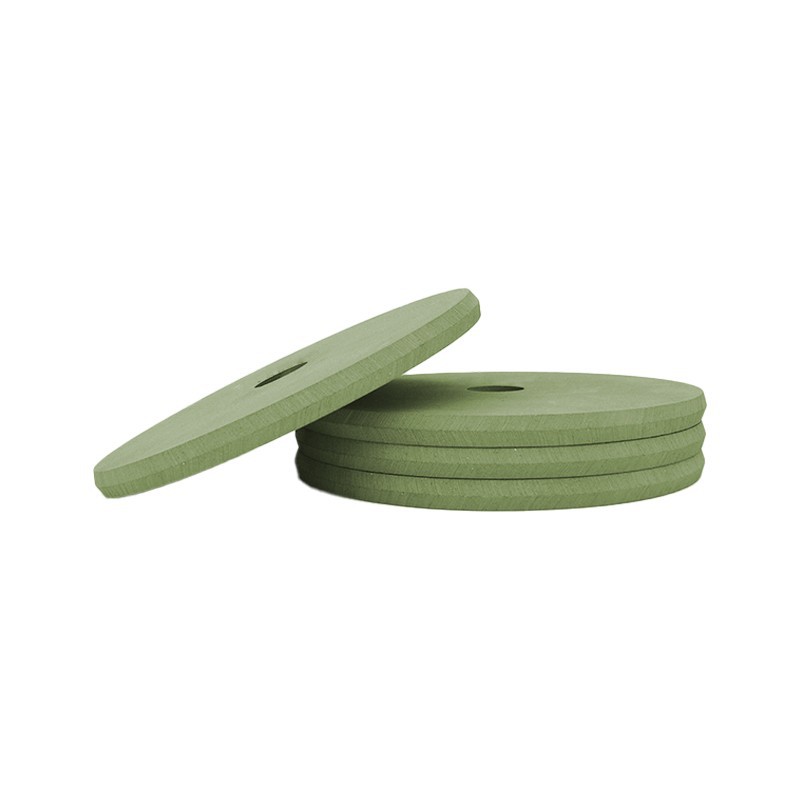
As a glass polishing wheel supplier, we offer a wide range of both coarse-grit and fine-grit wheels to meet your needs. Our V Shape Groove Polishing Wheel is a great option for shaping and polishing glass edges, while our Glass Edge Polishing Wheel is specifically designed for achieving a smooth finish on glass edges. We also have Glass Grinding Disc that can be used for various grinding and shaping tasks.
Conclusion
In conclusion, the choice between a coarse-grit and a fine-grit glass polishing wheel depends on the specific requirements of your project. Coarse-grit wheels are great for aggressive material removal, rough shaping, and surface preparation, while fine-grit wheels are essential for achieving a smooth, polished finish. By understanding the differences between these two types of wheels and choosing the right one for your job, you can ensure that your glass polishing projects turn out perfectly every time.
If you're interested in purchasing high-quality glass polishing wheels for your projects, feel free to reach out to us. We're here to help you find the right products and provide you with the support you need to achieve great results. Let's start a conversation about your glass polishing needs and see how we can work together to make your projects a success.

References
- Glass Polishing Handbook, various industry experts
- Professional Glassworking Magazine, multiple issues