

As a trusted supplier of glass grinding discs, I've witnessed firsthand the critical role these tools play in the glass processing industry. A well - functioning glass grinding disc is essential for achieving precise cuts, smooth finishes, and efficient production. However, like all tools, glass grinding discs have a limited lifespan. Recognizing the signs that a glass grinding disc needs to be replaced is crucial for maintaining high - quality work and ensuring the safety of your operations. In this blog, I'll share some key indicators that it's time to swap out your old grinding disc for a new one.
1. Diminished Grinding Performance
One of the most obvious signs that a glass grinding disc is nearing the end of its useful life is a noticeable decline in grinding performance. When a disc is new, it can quickly and efficiently remove material from the glass surface, leaving a clean and smooth finish. But as the disc wears down, it may start to struggle to cut through the glass as effectively.
You might notice that the grinding process takes longer than usual. For example, if you're used to grinding a particular type of glass in a set amount of time, and suddenly it's taking significantly longer to achieve the same result, it could be a sign of a worn - out disc. Additionally, the surface finish of the glass may become rougher. Instead of a smooth, polished look, the glass may have scratches or uneven areas, indicating that the disc is no longer able to grind the glass evenly.
This diminished performance not only affects the quality of your work but also reduces productivity. If you find yourself spending more time on each piece of glass due to poor grinding performance, it's likely time to invest in a new BD Material Grinding Wheel.

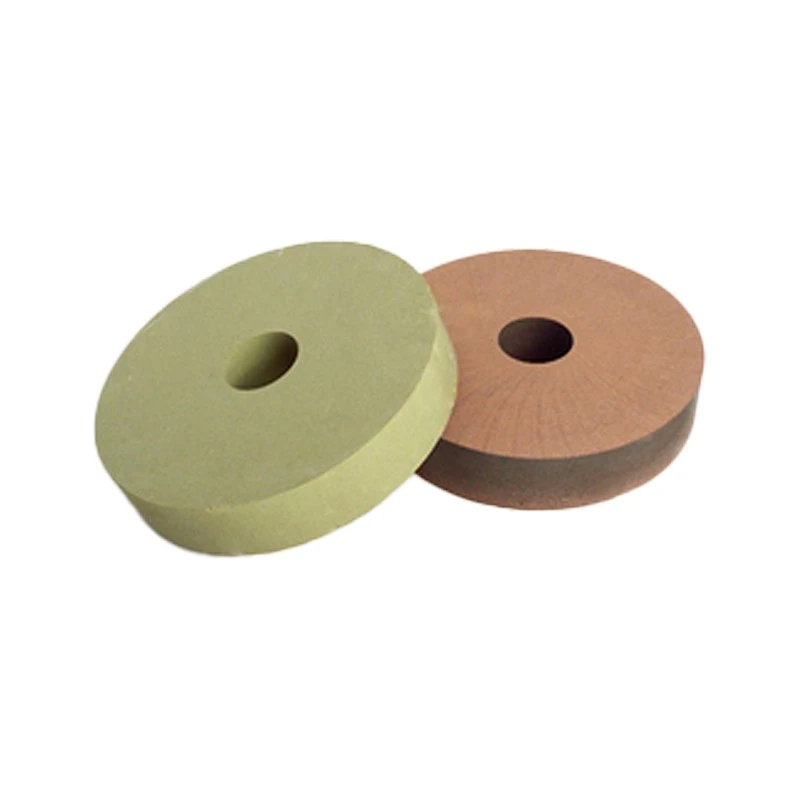
2. Excessive Heat Generation
During the grinding process, some heat is normal. However, if you notice that the glass grinding disc is generating an excessive amount of heat, it's a red flag. Excessive heat can be caused by a variety of factors, but one of the most common is a worn - out disc.
As the abrasive particles on the disc wear down, the disc has to work harder to grind the glass. This increased friction generates more heat. You may feel the disc getting very hot to the touch or notice steam or smoke coming from the grinding area. Excessive heat can not only damage the glass but also cause the disc to deteriorate more quickly. High temperatures can cause the bond that holds the abrasive particles together to weaken, leading to premature wear and even breakage of the disc.
If you experience excessive heat during grinding, stop the operation immediately. Check the disc for signs of wear and consider replacing it. Using a Fine Polishing Wheel can often help reduce heat generation as it is designed to work more efficiently and generate less friction.
3. Visible Wear and Tear
Inspecting the glass grinding disc regularly is an important part of maintenance. Visible signs of wear and tear are clear indicators that the disc needs to be replaced.
Look for signs of uneven wear on the disc. This could include areas where the abrasive material has been worn down more than others, creating a non - uniform surface. Cracks or chips in the disc are also serious problems. Even small cracks can grow over time, especially under the stress of grinding, and eventually lead to the disc breaking apart. This can be extremely dangerous, as broken pieces of the disc can fly off and cause injury.
Another visible sign is the loss of abrasive particles. If you can see that the surface of the disc is becoming smooth and the abrasive grains are falling off, it's a sign that the disc has reached the end of its useful life. A disc with a worn - out abrasive layer will not be able to grind the glass effectively.
4. Noise and Vibration
Unusual noise and vibration during the grinding process can also indicate that a glass grinding disc needs to be replaced. When a disc is in good condition, it should operate smoothly and quietly. However, as the disc wears down, it may start to produce a louder, more irregular noise.
Excessive vibration can be felt through the grinding machine. This is often caused by an imbalance in the disc due to uneven wear. The vibration not only makes the grinding process more difficult but can also affect the accuracy of your work. It can cause the glass to move or shift during grinding, resulting in an uneven finish.
If you notice an increase in noise and vibration, stop the machine and check the disc. If the disc is worn or damaged, replacing it with a new V - edge Polishing Wheel can restore smooth operation and improve the quality of your grinding.
5. Disc Thickness
The thickness of the glass grinding disc is another important factor to consider. Over time, as the disc is used, it will gradually wear down and become thinner. Each type of grinding disc has a recommended minimum thickness, and once the disc reaches this point, it should be replaced.
Measuring the thickness of the disc regularly can help you determine when it's time for a replacement. You can use a caliper or a similar measuring tool to check the thickness at different points on the disc. If the thickness is close to or below the recommended minimum, it's essential to replace the disc to ensure safe and effective operation.
Importance of Timely Replacement
Replacing a glass grinding disc in a timely manner is crucial for several reasons. First and foremost, it ensures the safety of your workers. A worn - out or damaged disc is more likely to break during operation, which can cause serious injuries. By replacing the disc before it reaches a dangerous state, you can prevent accidents and protect your employees.
Secondly, timely replacement improves the quality of your work. A new grinding disc will provide a more consistent and precise grind, resulting in better - finished products. This can enhance your reputation in the market and lead to more business opportunities.
Finally, replacing the disc on time can also save you money in the long run. While investing in a new disc may seem like an expense, using a worn - out disc can actually cost you more. It can lead to increased production time, lower - quality products, and potential damage to the glass and the grinding machine.
Contact for Purchase and Consultation
If you've noticed any of the signs mentioned above and are in need of a new glass grinding disc, don't hesitate to reach out. As a leading supplier of glass grinding discs, we offer a wide range of high - quality products to meet your specific needs. Whether you're looking for a BD Material Grinding Wheel, a Fine Polishing Wheel, or a V - edge Polishing Wheel, we have the right solution for you.
Our team of experts is available to answer any questions you may have about our products and help you choose the best grinding disc for your application. Contact us today to start the procurement process and take your glass processing to the next level.
References
- "Handbook of Abrasive Technology" by Ramesh Singh
- "Glass Processing Handbook" by John Doe