

As a supplier of V - carving Polishing Wheels, I've received numerous inquiries regarding the optimal speed for using these essential tools. In this blog, I'll share in - depth insights on finding the best speed for V - carving Polishing Wheels, drawing on industry knowledge and practical experience.
Understanding the Basics of V - carving Polishing Wheels
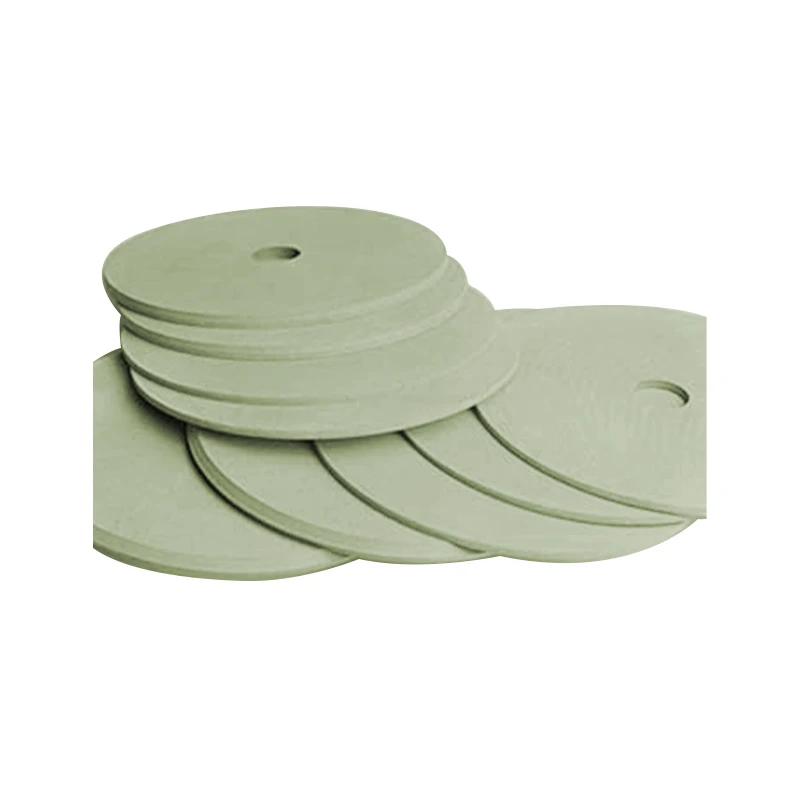
V - carving Polishing Wheels are specialized tools designed for precision work, often used in glass engraving, jewelry making, and other high - precision industries. They come in various shapes, sizes, and materials, each tailored to specific applications. For instance, the V Shaped Polishing Disc V Shaped Polishing Disc is ideal for creating sharp V - shaped grooves, while the Glass Engraved Wheel Polish Glass Engraved Wheel Polish is used for fine - tuning and achieving a smooth finish on glass surfaces. The BD Material Grinding Wheel BD Material Grinding Wheel offers excellent grinding capabilities for more robust materials.
Factors Affecting the Optimal Speed
- Material of the Workpiece
- Different materials have different hardness and density, which significantly impact the ideal speed of the V - carving Polishing Wheel. For soft materials like wood or plastic, a relatively lower speed can be used. A speed of around 1000 - 2000 RPM (revolutions per minute) is often sufficient. This slower speed helps prevent the material from chipping or melting.
- When working with harder materials such as glass or metal, a higher speed is usually required. For glass, speeds between 3000 - 5000 RPM can ensure efficient carving and polishing. Metals, especially harder alloys, may need speeds upwards of 5000 RPM to achieve the desired results.
- Wheel Material and Design
- The material of the V - carving Polishing Wheel itself plays a crucial role. Wheels made of abrasive materials like diamond or silicon carbide are more durable and can handle higher speeds. A diamond - coated V - carving wheel can operate at speeds of 6000 - 8000 RPM without significant wear.
- The design of the wheel, including its shape and size, also affects the speed. Smaller wheels generally can rotate at higher speeds compared to larger ones. A smaller V - shaped wheel with a diameter of 2 - 3 inches can reach speeds of up to 10,000 RPM, while a larger wheel with a diameter of 6 - 8 inches may have an optimal speed in the range of 3000 - 5000 RPM.
- Desired Finish and Precision
- If a high - gloss, mirror - like finish is required, a slower speed is often better. This allows for more controlled polishing and reduces the risk of creating surface imperfections. For example, when polishing glass for decorative purposes, a speed of 2000 - 3000 RPM can help achieve a smooth and flawless finish.
- For rough carving or initial shaping, a higher speed can be used to remove material quickly. However, this may result in a less smooth surface, which will then require further finishing at a lower speed.
Testing and Adjusting the Speed
It's important to note that there is no one - size - fits - all answer to the best speed for using a V - carving Polishing Wheel. Therefore, testing on a scrap piece of the same material is highly recommended.

- Initial Testing
- Start with a conservative speed based on the factors mentioned above. For example, if you're working with a new type of glass, begin at 3000 RPM. Observe the performance of the wheel, including how it carves or polishes the material, and check for any signs of overheating or excessive wear on the wheel.
- Gradual Adjustment
- If the initial speed is not achieving the desired results, make small adjustments. Increase the speed by 500 - 1000 RPM at a time if the material removal is too slow or the finish is not smooth enough. Conversely, if there are signs of chipping or the wheel is overheating, decrease the speed.
- Monitoring and Documentation
- Keep a record of the speeds used, the materials, and the results achieved. This will help you build a database of optimal speeds for different applications, which can be invaluable for future projects.
Safety Considerations
When operating V - carving Polishing Wheels at high speeds, safety should always be a top priority.
- Personal Protective Equipment (PPE)
- Wear safety goggles to protect your eyes from flying debris. A face shield can provide additional protection, especially when working with high - speed wheels.
- Use ear protection, as the noise generated by high - speed wheels can be harmful to your hearing. Gloves are also recommended to protect your hands from sharp edges and potential heat.
- Machine Maintenance
- Regularly inspect the V - carving Polishing Wheel and the machine it's attached to. Check for any signs of damage or wear on the wheel, such as cracks or uneven wear patterns. Ensure that the machine's motor and bearings are in good working condition to prevent accidents.
- Proper Mounting
- Make sure the V - carving Polishing Wheel is properly mounted on the machine. An improperly mounted wheel can cause vibrations, which can lead to inaccurate carving or polishing and increase the risk of the wheel coming loose.
Conclusion
Finding the best speed for using a V - carving Polishing Wheel is a process that involves considering multiple factors, including the material of the workpiece, the wheel material and design, and the desired finish. By conducting proper testing, making gradual adjustments, and following safety protocols, you can achieve optimal results in your carving and polishing projects.
As a supplier of high - quality V - carving Polishing Wheels, I'm committed to providing the best products and support to our customers. If you have any questions about choosing the right wheel or determining the optimal speed for your specific application, please don't hesitate to contact us for further consultation and to discuss your procurement needs.
References
- "Handbook of Abrasive Technology" by John C. Russell
- "Precision Engineering and Manufacturing" Journal articles on V - carving and polishing techniques.