

Testing a glass tools polishing wheel before full-scale use is a crucial step to ensure optimal performance, quality, and safety in glass processing operations. As a supplier of glass tools polishing wheels, I understand the significance of providing reliable products that meet the diverse needs of our customers. In this blog post, I will share some of the best ways to test a glass tools polishing wheel before it is put into full-scale production.
1. Visual Inspection
The first step in testing a glass tools polishing wheel is a thorough visual inspection. This involves examining the wheel for any visible defects, such as cracks, chips, or uneven surfaces. A damaged wheel can not only affect the quality of the polishing process but also pose a safety hazard to the operator.
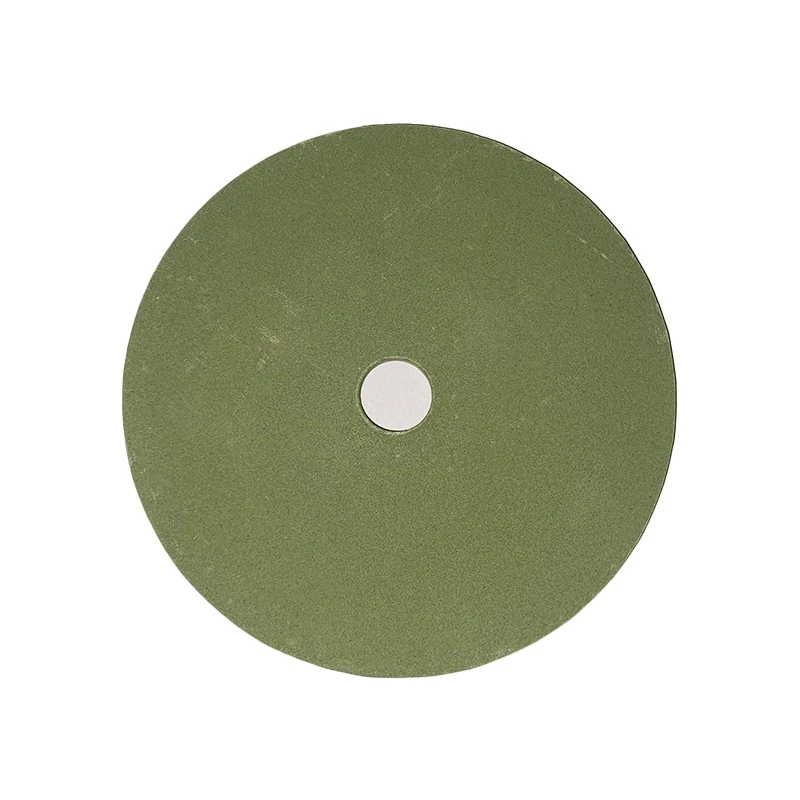

- Check the Surface: Look for any signs of damage or irregularities on the surface of the wheel. Scratches or gouges can cause uneven polishing and may lead to poor surface finish on the glass.
- Inspect the Bonding: Ensure that the abrasive particles are firmly bonded to the wheel. Loose particles can come off during operation, which can contaminate the glass and potentially cause injury.
- Verify the Dimensions: Measure the diameter, thickness, and hole size of the wheel to ensure that it meets the specifications required for your equipment. Incorrect dimensions can lead to improper fit and performance issues.
2. Balancing Test
A balanced polishing wheel is essential for smooth and efficient operation. An unbalanced wheel can cause vibration, which can lead to uneven polishing, reduced tool life, and increased wear on the equipment.
- Static Balancing: Use a balancing stand to check the static balance of the wheel. Place the wheel on the stand and allow it to come to rest. If the wheel is unbalanced, it will rotate until the heavy side is at the bottom. You can then add or remove weight from the appropriate side to achieve balance.
- Dynamic Balancing: For high-speed applications, dynamic balancing may be necessary. This involves using a specialized balancing machine to measure and correct the balance of the wheel while it is rotating. Dynamic balancing ensures that the wheel is balanced at all speeds, reducing vibration and improving performance.
3. Abrasive Quality Test
The quality of the abrasive material used in the polishing wheel is a critical factor in determining its performance. A high-quality abrasive will provide consistent cutting and polishing action, resulting in a smooth and uniform surface finish on the glass.
- Hardness Test: Use a hardness tester to measure the hardness of the abrasive particles. A harder abrasive will generally provide better cutting performance but may also be more prone to chipping or breaking.
- Grain Size Analysis: Analyze the grain size distribution of the abrasive particles using a sieve analysis or a microscope. The grain size affects the cutting speed and the surface finish of the glass. A finer grain size will produce a smoother finish, while a coarser grain size will provide faster cutting.
- Bond Strength Test: Evaluate the bond strength between the abrasive particles and the wheel matrix. A strong bond is necessary to hold the abrasive particles in place during the polishing process. You can perform a bond strength test by subjecting the wheel to a controlled load or by measuring the force required to remove the abrasive particles from the wheel.
4. Polishing Performance Test
The ultimate test of a glass tools polishing wheel is its performance in actual polishing operations. This involves using the wheel to polish a sample of glass and evaluating the results.
- Surface Finish Measurement: Use a surface roughness tester to measure the surface finish of the polished glass. A smooth and uniform surface finish is desirable for most glass applications.
- Cutting Rate Measurement: Measure the cutting rate of the wheel by recording the amount of material removed from the glass over a given period of time. A higher cutting rate indicates better performance but may also result in a rougher surface finish.
- Edge Quality Inspection: Inspect the edges of the polished glass for any signs of chipping, cracking, or unevenness. A high-quality polishing wheel should produce clean and smooth edges.
5. Safety Test
Safety is always a top priority when working with glass tools polishing wheels. Before using a wheel in full-scale production, it is important to ensure that it meets all relevant safety standards.
- Spindle Speed Test: Check the maximum spindle speed rating of the wheel and ensure that it is compatible with your equipment. Exceeding the recommended spindle speed can cause the wheel to break apart, posing a serious safety hazard.
- Safety Guard Inspection: Inspect the safety guard on your equipment to ensure that it is properly installed and functioning correctly. The safety guard helps to protect the operator from flying debris and other hazards.
- Personal Protective Equipment (PPE): Provide appropriate personal protective equipment, such as safety glasses, gloves, and a dust mask, to all operators using the polishing wheel. PPE helps to reduce the risk of injury from flying debris, dust, and other hazards.
Conclusion
Testing a glass tools polishing wheel before full-scale use is an essential step to ensure optimal performance, quality, and safety in glass processing operations. By following the steps outlined in this blog post, you can identify any potential issues with the wheel and take corrective action before it is put into production.
If you are in the market for high-quality glass tools polishing wheels, we invite you to explore our product range. We offer a wide variety of Glass Wheel Polish, BD Grinding Wheel, and Special Shaped Machine Polish Wheel to meet the diverse needs of our customers. Our products are manufactured using the latest technology and highest quality materials to ensure superior performance and reliability.
For more information or to discuss your specific requirements, please contact us. We look forward to working with you to find the best glass tools polishing wheel solution for your business.
References
- American National Standards Institute (ANSI). (2018). Safety requirements for the use, care, and protection of abrasive wheels. ANSI B7.1-2018.
- International Organization for Standardization (ISO). (2017). Abrasive products - Dimensions - Part 1: Grinding wheels. ISO 603-1:2017.
- Norton Abrasives. (2020). Guide to abrasive wheel selection and use. Norton Abrasives Technical Bulletin.