

What is the electrical conductivity of glass polishing powder?
As a supplier of glass polishing powder, I often encounter various technical inquiries from customers. One question that has recently piqued my interest is about the electrical conductivity of glass polishing powder. In this blog post, I'll delve into this topic, exploring what electrical conductivity means in the context of glass polishing powder, the factors influencing it, and its implications for practical applications.
Understanding Electrical Conductivity
Before we discuss the electrical conductivity of glass polishing powder, let's first understand what electrical conductivity is. Electrical conductivity is a measure of a material's ability to conduct an electric current. It is the reciprocal of electrical resistivity and is typically measured in siemens per meter (S/m). Materials with high electrical conductivity, such as metals, allow electric charges to move freely through them, while materials with low conductivity, like insulators, impede the flow of electric current.
Electrical Conductivity of Glass Polishing Powder
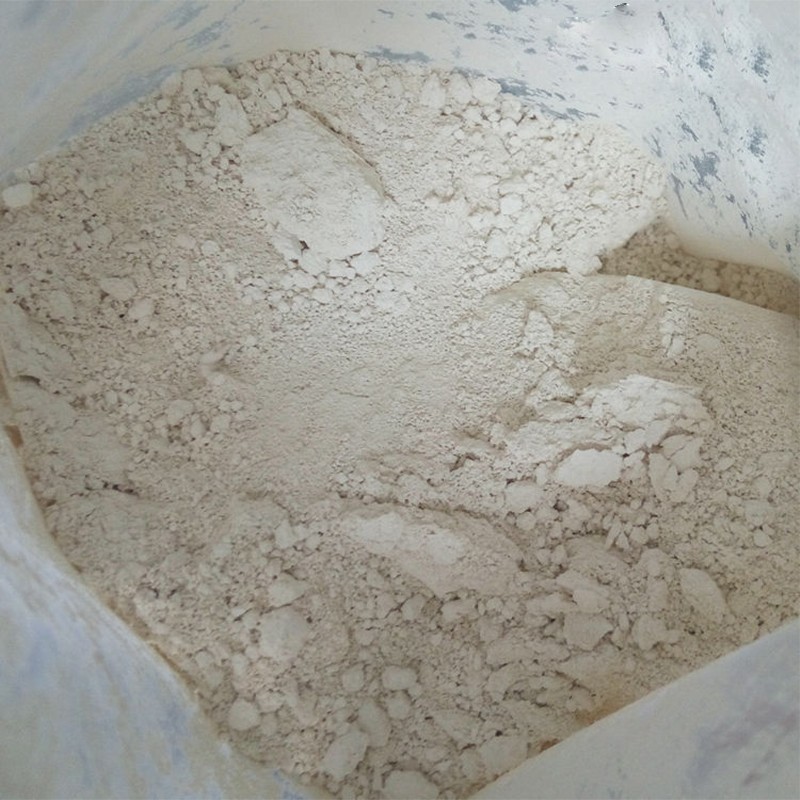
Glass polishing powder is primarily composed of abrasive materials such as cerium oxide, aluminum oxide, and silicon carbide, along with other additives. These materials are chosen for their hardness, abrasiveness, and chemical stability, which are essential for effectively polishing glass surfaces. In general, glass polishing powder is considered to be a poor conductor of electricity.
The abrasive particles in glass polishing powder are typically insulators or have very low electrical conductivity. For example, cerium oxide, a commonly used abrasive in glass polishing powder, is an insulator with a very high electrical resistivity. Aluminum oxide and silicon carbide also have relatively low electrical conductivity compared to metals. As a result, the overall electrical conductivity of glass polishing powder is extremely low.

Factors Influencing Electrical Conductivity
Although glass polishing powder is generally a poor conductor of electricity, there are several factors that can influence its electrical conductivity to some extent.
Particle Size and Distribution: The particle size and distribution of the abrasive particles in the powder can affect its electrical conductivity. Smaller particles have a larger surface area, which can increase the contact between particles and potentially enhance the flow of electric current. However, the effect is usually negligible due to the insulating nature of the particles.
Moisture Content: Moisture can significantly affect the electrical conductivity of glass polishing powder. Water is a good conductor of electricity, and even a small amount of moisture in the powder can increase its conductivity. Therefore, it is important to store glass polishing powder in a dry environment to maintain its low electrical conductivity.
Additives and Contaminants: Some additives or contaminants in the powder may have a higher electrical conductivity than the abrasive particles themselves. For example, certain metal salts or conductive polymers added to the powder for specific purposes may increase its electrical conductivity. However, these additives are usually present in very small amounts and may not have a significant impact on the overall conductivity of the powder.
Implications for Practical Applications
The low electrical conductivity of glass polishing powder has several implications for its practical applications.
Safety: Since glass polishing powder is a poor conductor of electricity, it poses little risk of electrical shock or short - circuiting during use. This makes it safe to use in various electrical and electronic applications where glass components need to be polished.
Compatibility with Electrical Systems: The low conductivity of glass polishing powder ensures that it does not interfere with the electrical performance of glass components in electronic devices. For example, when polishing the glass screens of smartphones or tablets, the powder will not cause any electrical malfunctions due to its insulating properties.
Our Glass Polishing Powder Products
As a supplier of glass polishing powder, we offer a wide range of high - quality products to meet the diverse needs of our customers. Our Glass Repair Powder is specifically designed for repairing minor scratches and damages on glass surfaces. It can effectively restore the clarity and smoothness of the glass, leaving it looking like new.
Our Glass Surface Polishing Powder is ideal for achieving a high - gloss finish on glass surfaces. It contains carefully selected abrasive particles that provide excellent polishing performance without scratching the glass.
For those who need to remove deep scratches from glass, our Glass Scratch Remover Powder is the perfect solution. It is formulated to quickly and effectively remove scratches of various depths, leaving the glass surface smooth and clear.
Contact Us for Procurement
If you are interested in our glass polishing powder products or have any questions about their electrical conductivity or other technical aspects, please feel free to contact us. We are always ready to provide you with detailed information and professional advice. Our team of experts will work closely with you to understand your specific requirements and recommend the most suitable products for your applications. Whether you are a small - scale glass manufacturer or a large - scale industrial user, we can offer you competitive prices and reliable supply.
References
- "Handbook of Abrasive Technology" by Ramesh Singh.
- "Ceramics: Structure, Properties, Processing, and Applications" by David W. Richerson.
- "Materials Science and Engineering: An Introduction" by William D. Callister, Jr. and David G. Rethwisch.