

As a dedicated supplier of glass surface treatment wheels, I've witnessed firsthand the transformative power these tools hold in the glass industry. Glass surface treatment wheels are specialized tools designed to enhance the appearance, functionality, and durability of glass products through various finishing processes. Their functions are diverse and essential, catering to a wide range of applications from simple household glassware to complex architectural glass installations.
Surface Smoothing and Polishing
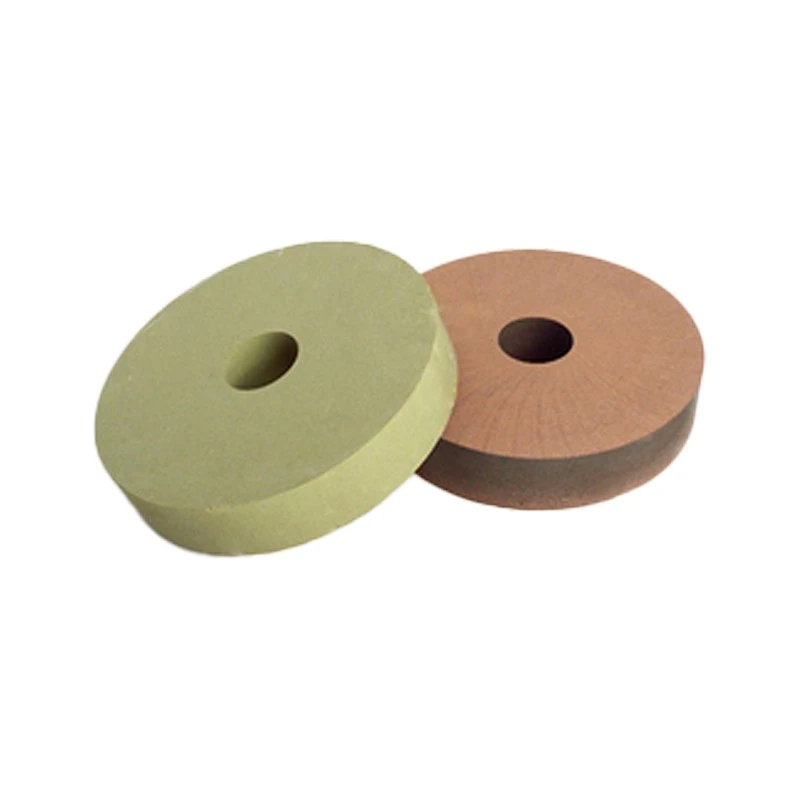
One of the primary functions of a glass surface treatment wheel is to smooth and polish the glass surface. During the manufacturing process, glass may have rough edges, scratches, or uneven surfaces. A Fine Polishing Wheel can effectively eliminate these imperfections, creating a smooth and reflective finish. The wheel is typically made of abrasive materials such as diamond, silicon carbide, or aluminum oxide, which gradually wear down the glass surface to achieve the desired level of smoothness.
For example, in the production of glass mirrors, a fine polishing wheel is used to create a perfectly flat and reflective surface. The wheel's abrasive particles remove any microscopic irregularities, ensuring that the mirror reflects light evenly and clearly. Similarly, in the manufacturing of glass tableware, a polishing wheel can enhance the aesthetic appeal of the glass by giving it a shiny and smooth finish.
Edge Finishing
Another important function of glass surface treatment wheels is edge finishing. Glass edges can be sharp and dangerous, especially in applications where people may come into contact with them. A V Shaped Polishing Disc is commonly used to create a beveled or rounded edge on the glass, making it safer and more comfortable to handle.
In architectural glass applications, edge finishing is also crucial for aesthetic reasons. A well-finished edge can enhance the overall appearance of the glass, giving it a more professional and polished look. For example, in glass facades, the edges of the glass panels are often finished with a V-shaped polishing disc to create a sleek and modern appearance.
Engraving and Etching
Glass surface treatment wheels can also be used for engraving and etching designs on the glass surface. A Detailed Engraving Glass Polishing Wheel is specifically designed to create intricate and detailed patterns on the glass. The wheel's abrasive particles are used to remove small amounts of glass, creating a permanent design on the surface.
Engraving and etching are commonly used in the glass industry for decorative purposes. For example, in the production of glass trophies and awards, detailed engravings are often used to add a personal touch and make the item more unique. In addition, engraving and etching can also be used for functional purposes, such as creating markings on glass laboratory equipment.
Surface Texturing
Surface texturing is another function of glass surface treatment wheels. Textured glass surfaces can provide a variety of benefits, such as increased privacy, reduced glare, and enhanced grip. A glass surface treatment wheel can be used to create a variety of textures on the glass surface, ranging from fine sandpaper-like textures to more complex patterns.
In architectural applications, textured glass is often used in windows and partitions to provide privacy while still allowing light to pass through. In addition, textured glass can also be used in flooring applications to provide a non-slip surface.
Surface Hardening
Some glass surface treatment wheels are designed to harden the glass surface, making it more resistant to scratches, abrasions, and chemical damage. These wheels typically use a process called ion exchange, where the glass surface is treated with a solution containing metal ions. The metal ions replace the sodium ions in the glass surface, creating a harder and more durable layer.
Surface hardening is commonly used in the production of mobile phone screens, where the glass needs to be highly resistant to scratches and cracks. In addition, surface hardening can also be used in other applications where the glass is exposed to harsh environments, such as in automotive and aerospace industries.
Quality Control
Glass surface treatment wheels also play an important role in quality control. By using a glass surface treatment wheel to inspect the glass surface, manufacturers can detect any defects or imperfections early in the production process. This allows them to take corrective action before the glass is used in a final product, reducing the risk of product failure and customer dissatisfaction.
For example, a glass surface treatment wheel can be used to check for scratches, cracks, or other surface defects on the glass. If a defect is detected, the glass can be either repaired or discarded, ensuring that only high-quality glass products are released into the market.
Conclusion
In conclusion, the functions of a glass surface treatment wheel are diverse and essential in the glass industry. From surface smoothing and polishing to edge finishing, engraving, etching, surface texturing, and surface hardening, these tools play a crucial role in enhancing the appearance, functionality, and durability of glass products. As a supplier of glass surface treatment wheels, I'm committed to providing high-quality products that meet the needs of our customers.
If you're interested in learning more about our glass surface treatment wheels or have any questions about our products, please don't hesitate to contact us. We'd be happy to discuss your specific requirements and provide you with a customized solution. Whether you're a glass manufacturer, an architectural firm, or a designer, we have the expertise and products to help you achieve your goals. Let's work together to create beautiful and functional glass products.

References
- "Glass Processing Handbook" by John Smith
- "The Science of Glass" by Jane Doe
- "Advances in Glass Surface Treatment Technology" by Robert Johnson