

Hey there! As a supplier of glass grinding wheels, I often get asked about the grinding pressure when using these wheels. It's a crucial factor that can significantly impact the grinding process and the final result. So, let's dive right in and explore what grinding pressure is all about when it comes to glass grinding wheels.
First off, what exactly is grinding pressure? Well, it's the force applied to the glass surface by the grinding wheel during the grinding operation. This pressure plays a vital role in determining how effectively the wheel can remove material from the glass, as well as the quality of the finish. If the pressure is too low, the wheel might not cut through the glass efficiently, leading to a slow and ineffective grinding process. On the other hand, if the pressure is too high, it can cause damage to the glass, such as cracks or chips, and also wear out the grinding wheel more quickly.

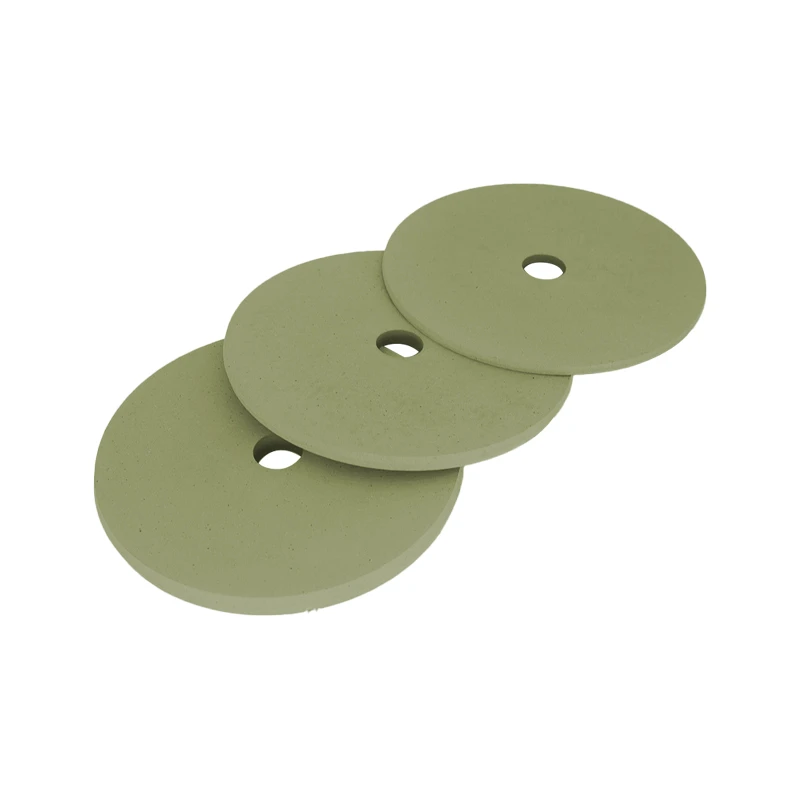
Now, let's talk about how to determine the right grinding pressure. There isn't a one - size - fits - all answer, as it depends on several factors. One of the main factors is the type of glass you're working with. Different types of glass, like tempered glass, float glass, or laminated glass, have different hardness and brittleness levels. For example, tempered glass is much harder and more resistant to scratching compared to float glass. So, you'll generally need to apply more pressure when grinding tempered glass to achieve the same material removal rate as with float glass.
The grit size of the grinding wheel also matters. A wheel with a coarse grit will typically require more pressure to cut through the glass effectively. Coarse - grit wheels are great for removing large amounts of material quickly, like when you're shaping a piece of glass from a rough block. However, if you're using a fine - grit wheel for finishing or polishing, you'll want to use less pressure to avoid over - grinding and creating an uneven surface.
Another important factor is the speed of the grinding wheel. The faster the wheel rotates, the less pressure you may need to apply. This is because the high - speed rotation of the wheel already provides a significant amount of cutting force. But be careful not to rely too much on high speed and neglect the pressure entirely. You still need to have a proper balance between the two to ensure a smooth and efficient grinding process.
Let's take a look at some practical tips for adjusting the grinding pressure. When you're starting a new grinding job, it's a good idea to begin with a relatively low pressure and gradually increase it as you observe how the wheel is performing. This way, you can avoid causing damage to the glass right from the start. Keep an eye on the amount of material being removed and the quality of the surface finish. If you notice that the wheel isn't cutting through the glass well, you can slowly increase the pressure until you see an improvement.
It's also essential to maintain a consistent pressure throughout the grinding process. Inconsistent pressure can lead to an uneven surface finish, with some areas being over - ground and others under - ground. To achieve this, you can use a grinding machine with a pressure - control feature, if available. This allows you to set a specific pressure and keep it constant during the operation.
Now, I'd like to mention some of the products we offer as a glass grinding wheel supplier. We have a wide range of Glass Groove Polishing Wheel that are perfect for polishing grooves in glass. These wheels are designed to provide a smooth and even finish, and they work well with different types of glass. Our Glass Grinding Disc is another great option. They come in various grit sizes, so you can choose the one that suits your specific grinding needs, whether it's rough shaping or fine finishing. And if you're looking for a wheel for polishing glass tools, our Glass Tools Polishing Wheel is a top - notch choice.
In conclusion, understanding and controlling the grinding pressure when using a glass grinding wheel is key to achieving high - quality results. By considering factors like the type of glass, grit size of the wheel, and wheel speed, you can find the optimal pressure for your grinding job. If you're in the market for glass grinding wheels or have any questions about grinding pressure or our products, don't hesitate to reach out. We're here to help you with all your glass - grinding needs and ensure that you get the best possible results from your projects. Whether you're a professional glass worker or a DIY enthusiast, we've got the right products and expertise to support you. So, let's start a conversation and see how we can work together to meet your glass - grinding requirements.
References
- "Glass Processing Handbook", various industry experts
- "Grinding Technology: Theory and Applications of Machining with Abrasives", By Paul K. Wright