

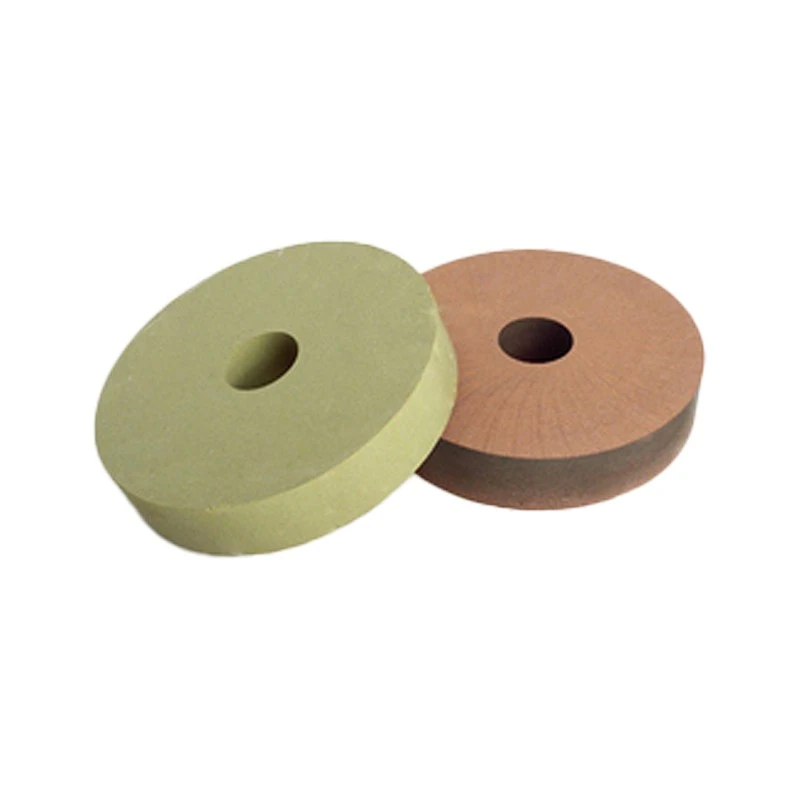
Hey there! As a supplier of Glass Surface Treatment Wheels, I often get asked about the hardness of these wheels. So, let's dive right in and explore what the hardness of a glass surface treatment wheel really means.
First off, hardness is a super important factor when it comes to glass surface treatment wheels. It determines how well the wheel can perform its job, whether it's polishing, grinding, or engraving glass. You see, different glass types and treatment processes require wheels with varying degrees of hardness.
The hardness of a glass surface treatment wheel is typically measured on the Mohs scale. This scale ranges from 1 (the softest) to 10 (the hardest). For glass treatment, wheels usually fall within a certain range of this scale. A harder wheel is great for tougher jobs, like removing deep scratches or doing heavy grinding on thick glass. It can withstand more pressure and maintain its shape better during the treatment process.
On the other hand, a softer wheel is more suitable for finer work, such as polishing the surface to a high shine or doing detailed engraving. It's more flexible and can conform to the contours of the glass without causing too much damage.
Let's talk about the materials used in these wheels. Most glass surface treatment wheels are made from a combination of abrasive materials and a bonding agent. The type and quality of these materials greatly affect the wheel's hardness. For example, wheels made with diamond abrasives are extremely hard and are often used for heavy-duty grinding and cutting of glass. They can handle a lot of wear and tear and last a long time.
Silicon carbide is another common abrasive material. It's a bit less hard than diamond but still very effective for many glass treatment applications. Wheels with silicon carbide abrasives are often used for polishing and light grinding.
The bonding agent also plays a crucial role. It holds the abrasive particles together and determines how the wheel will wear during use. A strong bonding agent will keep the abrasives in place for longer, resulting in a more durable wheel. However, if the bonding is too strong, it might prevent the worn-out abrasives from being replaced by fresh ones, which can affect the wheel's performance.
Now, let's take a look at some of the specific types of glass surface treatment wheels we offer.
The Durable BD Polishing Wheel is a great example of a high - quality wheel. It has a carefully balanced hardness that makes it suitable for a wide range of polishing tasks. Whether you're working on flat glass surfaces or curved ones, this wheel can deliver a smooth and shiny finish.
The Detailed Engraving Glass Polishing Wheel is designed for those intricate engraving jobs. It has a softer hardness that allows it to create detailed patterns on the glass without chipping or cracking it.
And then there's the Glass Engraved Wheel Polish. This wheel is perfect for giving engraved glass that final, professional look. It can polish the engraved areas to a mirror - like finish, enhancing the overall appearance of the glass.
When choosing a glass surface treatment wheel, it's important to consider the specific requirements of your project. Think about the type of glass you're working with, the level of finish you want to achieve, and the amount of material you need to remove. If you're not sure which wheel is right for you, don't hesitate to reach out to us. We have a team of experts who can help you make the best choice.
In addition to hardness, other factors like the wheel's diameter, speed rating, and grit size also matter. The diameter of the wheel affects the area it can cover during treatment. A larger diameter wheel can work on bigger glass surfaces more efficiently. The speed rating indicates the maximum speed at which the wheel can safely operate. Using a wheel at a speed higher than its rating can be dangerous and can also damage the wheel and the glass.
Grit size refers to the size of the abrasive particles on the wheel. A smaller grit size means finer particles and a smoother finish, while a larger grit size is better for removing more material quickly.
To sum it up, the hardness of a glass surface treatment wheel is a key factor that determines its performance and suitability for different glass treatment tasks. By understanding the relationship between hardness, materials, and the specific requirements of your project, you can choose the right wheel to get the job done effectively.
If you're in the market for high - quality glass surface treatment wheels, we'd love to hear from you. Whether you're a small glass artist or a large glass manufacturing company, we have the products to meet your needs. Contact us today to start a conversation about your glass treatment requirements, and let's work together to find the perfect solution for you.
References

- "Handbook of Abrasive Technology"
- "Glass Manufacturing and Processing: A Practical Guide"