

What is the maximum pressure that a V - carving Polishing Wheel can withstand?
As a supplier of V - carving Polishing Wheels, I often receive inquiries from customers about the performance and capabilities of our products. One of the most frequently asked questions is about the maximum pressure that a V - carving Polishing Wheel can withstand. In this blog post, I will delve into this topic to provide you with a comprehensive understanding.
Understanding V - carving Polishing Wheels
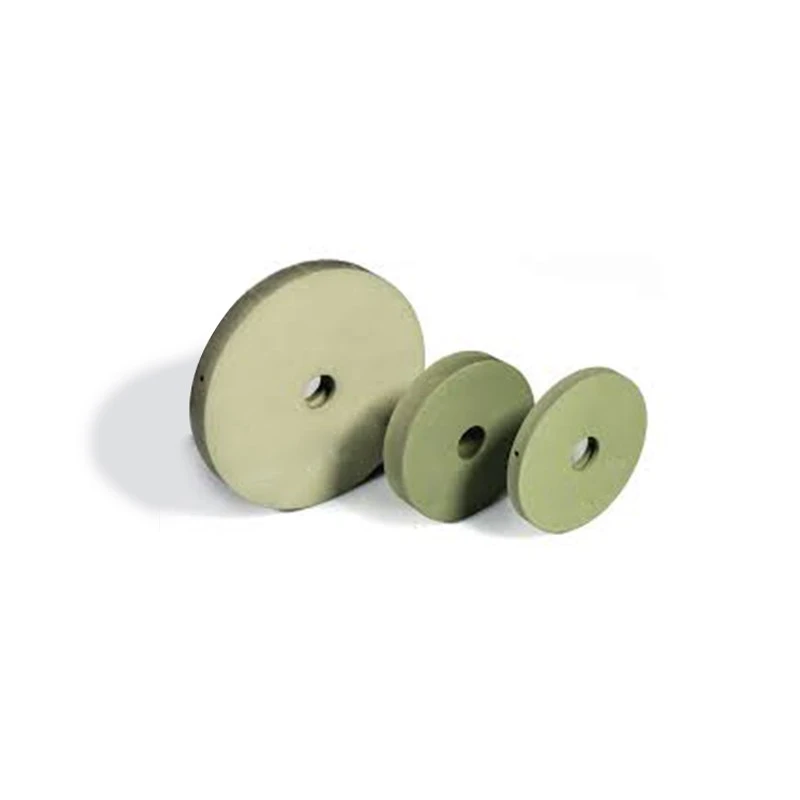
V - carving Polishing Wheels are specialized tools used in various industries, especially in glass processing and woodworking. These wheels are designed with a V - shaped groove, which allows for precise carving and polishing along the edges or in specific patterns. They are typically made from high - quality abrasive materials such as diamond, silicon carbide, or aluminum oxide, which are bonded together using different methods to form a durable and effective polishing surface.
Factors Affecting the Maximum Pressure
The maximum pressure that a V - carving Polishing Wheel can withstand is influenced by several factors:
- Abrasive Material: Different abrasive materials have different hardness and strength properties. For example, diamond is one of the hardest materials available and can withstand very high pressures. Wheels made with diamond abrasives are often used for polishing hard materials like glass and stone. On the other hand, silicon carbide and aluminum oxide are also commonly used but may have lower pressure - resistance capabilities compared to diamond.
- Bonding Agent: The bonding agent holds the abrasive particles together and plays a crucial role in determining the wheel's strength. There are various types of bonding agents, including resin, metal, and vitrified bonds. Resin - bonded wheels are relatively flexible and can absorb some shock, but they may have a lower maximum pressure limit compared to metal - or vitrified - bonded wheels. Metal - bonded wheels are very strong and can withstand high pressures, but they may be more brittle. Vitrified - bonded wheels offer a good balance between strength and porosity, allowing for efficient heat dissipation and high - pressure operation.
- Wheel Design and Construction: The size, shape, and structure of the V - carving Polishing Wheel also affect its pressure - bearing capacity. A larger wheel may be able to distribute the pressure more evenly, reducing the stress on individual abrasive particles. Additionally, the thickness of the wheel and the density of the abrasive layer can impact its ability to withstand pressure.
Testing and Determining the Maximum Pressure
To determine the maximum pressure that a V - carving Polishing Wheel can withstand, manufacturers conduct a series of tests. These tests typically involve applying increasing amounts of pressure to the wheel while monitoring its performance. The wheel is examined for signs of wear, damage, or breakage. The maximum pressure is usually defined as the point at which the wheel starts to show significant deterioration or fails to maintain its polishing performance.
In addition to laboratory tests, real - world applications also provide valuable insights. Manufacturers often work closely with customers to gather feedback on the performance of the wheels under different operating conditions. This information helps to refine the design and manufacturing process to improve the wheel's pressure - resistance capabilities.

Importance of Knowing the Maximum Pressure
Understanding the maximum pressure that a V - carving Polishing Wheel can withstand is essential for several reasons:
- Safety: Using a wheel beyond its maximum pressure limit can lead to wheel breakage, which can be extremely dangerous. Broken wheels can cause flying debris, which may injure operators or damage equipment.
- Performance: Applying the right amount of pressure ensures optimal polishing performance. If the pressure is too low, the wheel may not achieve the desired level of polish. Conversely, if the pressure is too high, it can cause excessive wear on the wheel and may even damage the workpiece.
- Cost - Efficiency: Using the wheel within its recommended pressure range helps to extend its lifespan, reducing the frequency of wheel replacements. This can result in significant cost savings for businesses in the long run.
Our V - carving Polishing Wheels and Their Pressure - Resistance
At our company, we take great pride in the quality and performance of our V - carving Polishing Wheels. We use only the highest - quality abrasive materials and advanced bonding technologies to ensure that our wheels can withstand high pressures. Our R & D team is constantly working on improving the design and manufacturing process to enhance the pressure - resistance capabilities of our products.
We offer a wide range of V - carving Polishing Wheels to meet the diverse needs of our customers. Whether you are working on Special Shaped Machine Polish Wheel, Glass Edge Polishing Wheel, or Glass Buffing Wheel, we have the right wheel for you. Our wheels are designed to provide consistent and high - quality polishing results, even under challenging operating conditions.
Contact Us for More Information
If you have any questions about the maximum pressure that our V - carving Polishing Wheels can withstand or if you are interested in learning more about our products, please do not hesitate to contact us. Our experienced sales team is ready to assist you with your inquiries and can provide you with detailed product specifications and technical support. We look forward to working with you and helping you achieve the best polishing results for your applications.
References
- "Handbook of Abrasive Technology" - This comprehensive handbook provides in - depth information on abrasive materials, bonding agents, and wheel design.
- Industry standards and guidelines published by relevant organizations, which outline the testing methods and safety requirements for abrasive wheels.