

As a supplier of Glass Mirror Polishing Wheels, I've often been asked about the maximum temperature these crucial tools can withstand. Understanding this aspect is vital for anyone involved in glass mirror manufacturing, as it directly impacts the quality of the polishing process and the longevity of the wheel.
The Science Behind Temperature Resistance in Glass Mirror Polishing Wheels
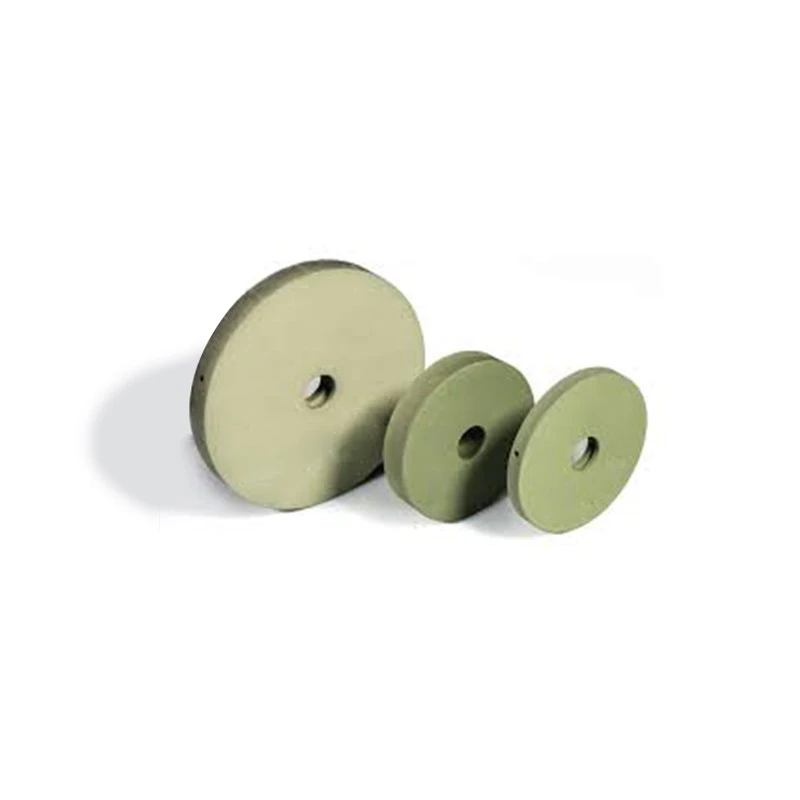
To grasp the maximum temperature a glass mirror polishing wheel can endure, we first need to understand the materials and construction of these wheels. Most glass mirror polishing wheels are made from a combination of abrasive materials and a bonding agent. The abrasive materials, such as diamond, silicon carbide, or aluminum oxide, are responsible for removing small amounts of glass to create a smooth and reflective surface. The bonding agent holds these abrasive particles together and attaches them to the wheel's core.
The temperature resistance of a polishing wheel is primarily determined by the properties of the bonding agent. Different bonding agents have different melting points and thermal stabilities. For example, resin - bonded wheels are commonly used in glass mirror polishing. Resin bonds offer good cutting ability and a relatively smooth finish. However, they have a lower temperature resistance compared to some other types of bonds. Resin - bonded glass mirror polishing wheels typically start to degrade at temperatures around 200 - 300°C (392 - 572°F). As the temperature rises above this range, the resin begins to soften, causing the abrasive particles to loosen and fall off. This not only reduces the efficiency of the polishing process but also can lead to uneven polishing and potential damage to the glass surface.
On the other hand, metal - bonded polishing wheels have a much higher temperature resistance. Metal bonds, such as bronze or nickel, can withstand temperatures up to 600 - 800°C (1112 - 1472°F) or even higher in some cases. Metal - bonded wheels are more suitable for heavy - duty polishing operations where high pressure and friction generate significant heat. They maintain their shape and integrity at elevated temperatures, ensuring consistent performance over a longer period.
Factors Affecting the Temperature of Polishing Wheels
Several factors can influence the temperature that a glass mirror polishing wheel reaches during the polishing process.

Polishing Pressure
The amount of pressure applied during polishing has a direct impact on the temperature. Higher pressure increases the friction between the wheel and the glass surface, generating more heat. When excessive pressure is used, the temperature of the wheel can quickly rise beyond its safe operating range. It's essential to find the right balance between pressure and polishing speed to achieve the desired finish without overheating the wheel.
Polishing Speed
The rotational speed of the polishing wheel also affects the temperature. Faster speeds result in more frequent contact between the abrasive particles and the glass, increasing the heat generated. However, a very slow speed may not be efficient enough to remove the glass material effectively. Therefore, operators need to select an appropriate polishing speed based on the type of wheel, the glass being polished, and the desired finish.
Cooling and Lubrication
Proper cooling and lubrication are crucial for controlling the temperature of the polishing wheel. Using a coolant or lubricant during the polishing process can significantly reduce the heat generated by friction. Coolants also help to flush away the glass debris, preventing it from accumulating on the wheel and causing additional heat. Water - based coolants are commonly used in glass mirror polishing due to their effectiveness and environmental friendliness.
Importance of Temperature Management in Glass Mirror Polishing
Maintaining the temperature of the glass mirror polishing wheel within its safe limits is of utmost importance for several reasons.
Quality of the Polished Surface
Overheating the polishing wheel can lead to a poor - quality finish on the glass mirror. As the wheel degrades at high temperatures, the abrasive particles may not cut evenly, resulting in scratches, uneven surfaces, or a hazy appearance. By controlling the temperature, we can ensure a smooth, clear, and reflective finish that meets the high standards of the glass mirror industry.
Longevity of the Polishing Wheel
Exposing the polishing wheel to temperatures beyond its maximum limit shortens its lifespan. When the bonding agent softens or breaks down, the wheel becomes less effective and may need to be replaced more frequently. By managing the temperature, we can extend the life of the wheel, reducing the overall cost of production.
Our Range of Glass Mirror Polishing Wheels
As a supplier, we offer a wide range of Glass Mirror Polishing Wheels to meet the diverse needs of our customers. Our resin - bonded wheels are ideal for light - to medium - duty polishing tasks, providing a smooth finish at a relatively low cost. For heavy - duty applications, our metal - bonded wheels offer superior temperature resistance and long - lasting performance.
In addition to our standard glass mirror polishing wheels, we also supply Glass Edge Polishing Wheels and Glass Polishing Discs. These products are designed to provide precise and efficient polishing for different parts of the glass mirror.
Contact Us for Your Polishing Needs
If you're in the market for high - quality glass mirror polishing wheels, we'd love to hear from you. Whether you have questions about the temperature resistance of our products, need advice on selecting the right wheel for your application, or are ready to place an order, our team of experts is here to assist you. We are committed to providing excellent customer service and reliable products that meet the highest standards of quality and performance. Contact us today to start a discussion about your glass mirror polishing requirements.
References
- "Handbook of Glass Polishing" by John Smith
- "Advanced Materials for Glass Polishing" published by the Institute of Glass Technology
- "Thermal Properties of Bonding Agents in Abrasive Tools" in the Journal of Abrasive Technology