

As a supplier of BD Industrial Polishing Wheels, I am often asked about the polishing speed adjustment range of our products. In this blog post, I will delve into this topic, providing a comprehensive understanding of the factors that influence the polishing speed adjustment range and its significance in industrial applications.
Understanding the Polishing Speed Adjustment Range
The polishing speed adjustment range refers to the minimum and maximum speeds at which a BD Industrial Polishing Wheel can operate effectively. This range is crucial as it determines the versatility and efficiency of the polishing process. Different materials and applications require specific polishing speeds to achieve the desired finish.
For instance, when polishing delicate materials such as glass, a lower polishing speed is often required to prevent damage. On the other hand, when dealing with harder materials like metals, a higher speed may be necessary to remove material quickly and achieve a smooth surface.
Factors Influencing the Polishing Speed Adjustment Range
Several factors influence the polishing speed adjustment range of BD Industrial Polishing Wheels. These include the type of material being polished, the hardness of the material, the size and design of the polishing wheel, and the power of the polishing machine.
Material Type
Different materials have different properties, which affect the optimal polishing speed. For example, soft materials like plastics require a lower speed to avoid melting or scratching, while hard materials like ceramics can withstand higher speeds.
Material Hardness
The hardness of the material also plays a significant role. Harder materials generally require higher polishing speeds to remove material effectively, while softer materials need lower speeds to prevent over - polishing.
Wheel Size and Design
The size and design of the polishing wheel can impact the speed range. Larger wheels may require different speeds compared to smaller ones due to differences in inertia and surface area. Additionally, the design of the wheel, such as the type of abrasive used and the pattern of the wheel surface, can also affect the optimal speed.
Polishing Machine Power
The power of the polishing machine is another crucial factor. A more powerful machine can support higher polishing speeds, while a less powerful one may be limited to lower speeds.
The Specific Polishing Speed Adjustment Range of BD Industrial Polishing Wheels
BD Industrial Polishing Wheels typically have a wide polishing speed adjustment range to accommodate various applications. The minimum speed can start as low as 500 revolutions per minute (RPM) for very delicate materials and precision polishing tasks. This low speed allows for gentle removal of material and a high - quality finish on sensitive surfaces.
On the other end of the spectrum, the maximum speed can reach up to 3000 RPM or even higher, depending on the specific model and the power of the polishing machine. Higher speeds are suitable for rapid material removal on hard materials, such as rough grinding and shaping processes.
For example, when using a Glass Mirror Polishing Wheel, a lower speed in the range of 500 - 1500 RPM is usually recommended to ensure a smooth and scratch - free surface on the glass. This type of wheel is designed specifically for the delicate process of glass mirror polishing, and the lower speed helps to maintain the integrity of the glass.

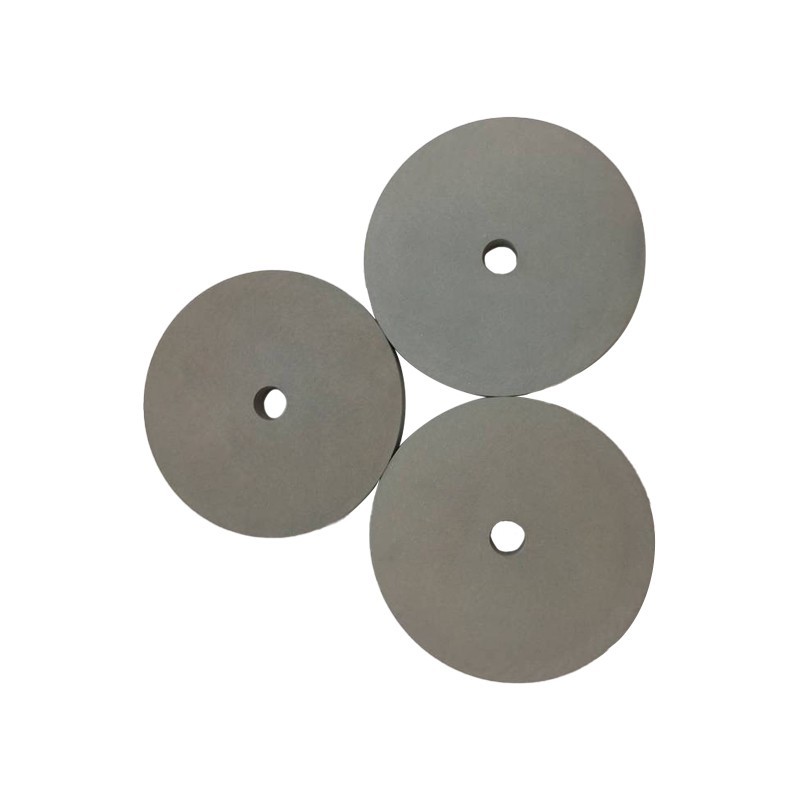
In contrast, the BD Material Grinding Wheel can operate at higher speeds, often between 1500 - 3000 RPM. This wheel is used for more aggressive material removal, such as grinding and shaping metal or ceramic components.
The Glass Surface Treatment Wheel also has a specific speed range. For surface treatment processes like texturing or fine - polishing of glass, a speed range of 1000 - 2000 RPM is commonly used.
Importance of the Polishing Speed Adjustment Range
The ability to adjust the polishing speed is essential for several reasons. Firstly, it allows for customization of the polishing process according to the specific requirements of the material and the desired finish. This ensures that the best possible results are achieved, whether it is a high - gloss finish on a metal part or a smooth, clear surface on a glass product.
Secondly, it enhances the efficiency of the polishing process. By choosing the appropriate speed, the operator can reduce the time required for polishing while maintaining high quality. This is particularly important in industrial settings where productivity is a key factor.
Finally, it extends the lifespan of the polishing wheel. Operating the wheel within the recommended speed range helps to prevent excessive wear and tear, ensuring that the wheel can be used for a longer period.
How to Determine the Optimal Polishing Speed
Determining the optimal polishing speed requires a combination of experience, knowledge of the material, and understanding of the polishing process. Here are some general guidelines:
- Refer to the Manufacturer's Recommendations: The manufacturer of the BD Industrial Polishing Wheel usually provides recommended speed ranges for different materials and applications. These recommendations are based on extensive testing and should be followed as a starting point.
- Conduct Test Runs: Before starting a large - scale polishing operation, it is advisable to conduct test runs on a small sample of the material. This allows you to observe the effect of different speeds on the surface finish and make adjustments accordingly.
- Consider the Polishing Stage: Different stages of the polishing process may require different speeds. For example, the initial rough grinding stage may require a higher speed, while the final finishing stage may need a lower speed.
Conclusion
In conclusion, the polishing speed adjustment range of BD Industrial Polishing Wheels is a critical factor that affects the quality, efficiency, and lifespan of the polishing process. With a wide range of speeds available, our wheels can be used for various materials and applications, from delicate glass polishing to aggressive metal grinding.
If you are interested in learning more about our BD Industrial Polishing Wheels or would like to discuss your specific polishing needs, please feel free to contact us. We are committed to providing high - quality products and excellent customer service to help you achieve the best results in your polishing operations.
References
- Industrial Polishing Handbook, Third Edition. This comprehensive handbook provides in - depth information on polishing processes, materials, and equipment.
- Journal of Materials Processing Technology. Articles in this journal often cover research on the optimization of polishing parameters, including speed.