

Hey there! As a supplier of Glass Surface Treatment Wheels, I often get asked about the rotational speed of these wheels. It's a crucial factor that can significantly impact the quality of glass surface treatment. So, let's dive right into it and explore what the ideal rotational speed of a glass surface treatment wheel is.
Understanding the Basics
First off, the rotational speed of a glass surface treatment wheel is measured in revolutions per minute (RPM). This speed determines how fast the wheel spins while it's in contact with the glass surface. Different types of glass surface treatment, such as grinding, polishing, and buffing, require different rotational speeds to achieve the best results.
For instance, when you're grinding the glass to shape it or remove rough edges, you typically need a higher rotational speed. This is because grinding involves more aggressive material removal, and a faster - spinning wheel can cut through the glass more effectively. On the other hand, when you're polishing the glass to achieve a smooth and shiny finish, a lower rotational speed is usually preferred. This allows for more controlled and gentle abrasion, reducing the risk of scratching or damaging the glass.
Factors Affecting Rotational Speed
There are several factors that can influence the ideal rotational speed of a glass surface treatment wheel.
Type of Glass
The type of glass you're working with plays a big role. For example, tempered glass is much harder and more durable than regular float glass. When treating tempered glass, you might need a slightly higher rotational speed to make an impact on the surface. In contrast, delicate glass like stained glass or thin glass sheets require a lower speed to prevent breakage.
Wheel Material and Grit
The material of the wheel and its grit size are also important. Wheels made of different materials, such as diamond, silicon carbide, or aluminum oxide, have different cutting and polishing capabilities. A wheel with a coarser grit is designed for more aggressive material removal and usually works best at a higher RPM. A fine - grit wheel, which is used for final polishing, needs a lower RPM to achieve a smooth finish.
Treatment Process
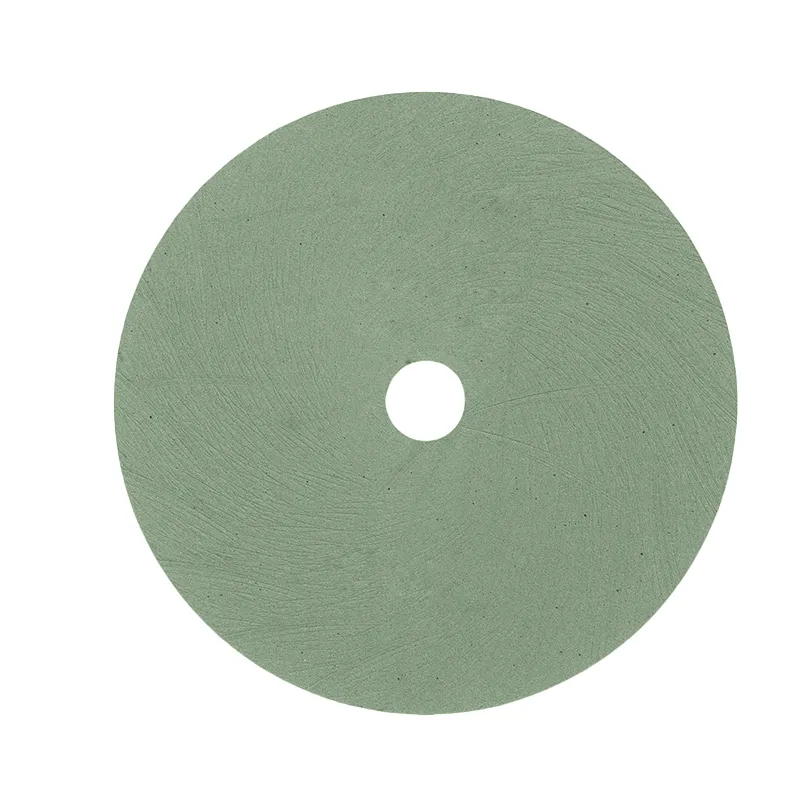
As mentioned earlier, the specific treatment process you're using matters. If you're using a Glass Tools Polishing Wheel for initial polishing, you'll want to start with a relatively high speed to quickly remove any remaining scratches or unevenness. But when you switch to a Glass Wheel Polish for a finer finish, you'll need to reduce the speed. And for the final step with a Glass Final Polishing Wheel, an even lower speed is required to get that mirror - like shine.

Recommended Rotational Speeds
Here are some general guidelines for rotational speeds based on different glass surface treatment processes:
Grinding
When grinding glass, a rotational speed of around 1500 - 3000 RPM is common. This speed range allows the wheel to effectively remove material and shape the glass. However, if you're working with very hard glass or need to remove a large amount of material quickly, you might go up to 3500 RPM.
Initial Polishing
For the initial polishing stage, a speed of 1000 - 2000 RPM is usually recommended. This helps to smooth out the rough surface left by grinding and start to bring out the shine.
Final Polishing
During the final polishing process, you'll want to slow down to 500 - 1000 RPM. This slow speed ensures that the wheel can create a super - smooth surface without leaving any visible marks.
Importance of Correct Rotational Speed
Using the correct rotational speed is not just about getting a good finish; it also has implications for safety and the lifespan of the wheel.
If the speed is too high, it can cause excessive heat buildup. This can not only damage the glass but also wear out the wheel more quickly. High - speed rotation can also increase the risk of the wheel breaking or shattering, which is extremely dangerous.
On the other hand, if the speed is too low, the treatment process will be inefficient. You might end up spending more time trying to achieve the desired result, and the finish may not be as good as it could be.
Tips for Setting the Rotational Speed
Here are some tips to help you set the right rotational speed for your glass surface treatment wheel:
- Read the Manufacturer's Instructions: The manufacturer of the wheel usually provides recommended RPM ranges based on the wheel's design and intended use. Make sure to follow these guidelines.
- Test on a Scrap Piece: Before working on your actual glass piece, test the wheel at different speeds on a scrap piece of the same type of glass. This will give you a better idea of how the wheel behaves and what speed works best.
- Monitor the Process: Pay attention to how the glass and the wheel are interacting during the treatment. If you notice excessive heat, chipping, or an uneven finish, adjust the speed accordingly.
Conclusion
In conclusion, the rotational speed of a glass surface treatment wheel is a critical factor in achieving high - quality glass surface treatment. By considering factors like the type of glass, wheel material, and treatment process, you can determine the ideal RPM for your specific needs.
As a supplier of Glass Surface Treatment Wheels, I'm here to help you find the right wheel for your project and provide guidance on the best operating conditions. If you're interested in purchasing our high - quality wheels or have any questions about glass surface treatment, don't hesitate to reach out. We're always happy to assist you in getting the best results for your glass projects.
References
- Glass Industry Handbook: A comprehensive guide to glass manufacturing and treatment processes.
- Manufacturer's specifications for glass surface treatment wheels.