

When it comes to the glass processing industry, achieving high - quality surface finishes is of utmost importance. As a reliable Glass Groove Polishing Wheel supplier, I've had the privilege of witnessing firsthand how these tools can transform the appearance and functionality of glass products. In this blog, we'll delve into the surface finish quality achievable with a glass groove polishing wheel and explore various aspects related to it.
Understanding the Basics of Glass Groove Polishing Wheels
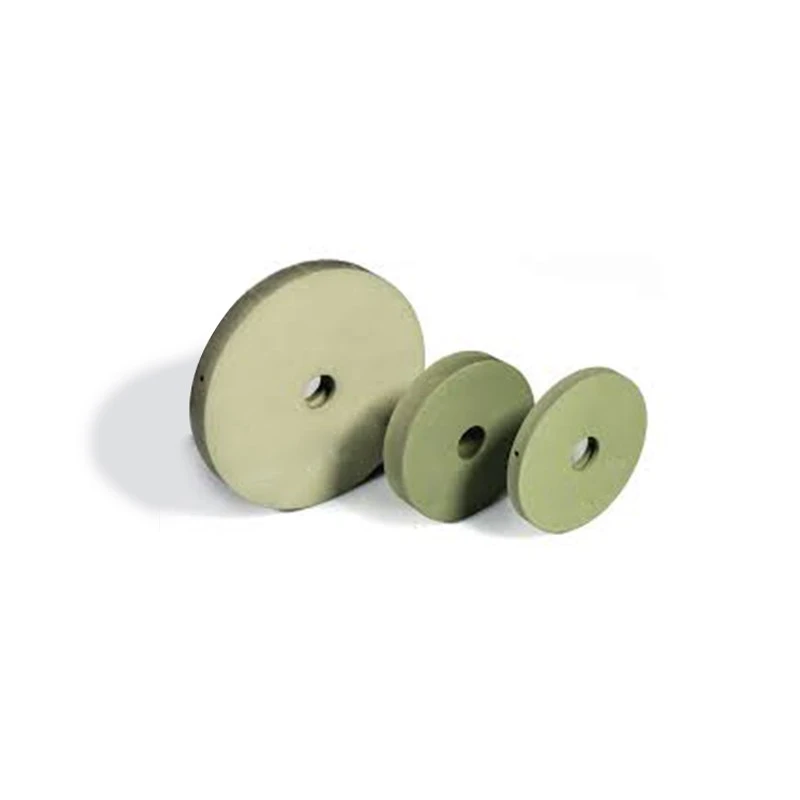
Glass groove polishing wheels are specialized tools designed to polish the grooves and edges of glass. They come in different shapes, sizes, and compositions, each tailored to specific glass processing requirements. The materials used in these wheels can range from diamond - impregnated compounds to abrasive polymers, and the choice depends on factors such as the type of glass, the desired finish, and the polishing process.
Factors Affecting Surface Finish Quality
1. Wheel Composition
The composition of the glass groove polishing wheel is a critical factor in determining the surface finish quality. For instance, diamond - impregnated wheels are known for their excellent cutting ability and durability. They can achieve a very smooth and mirror - like finish on glass surfaces. The size and concentration of the diamond particles also play a role. Smaller diamond particles generally result in a finer finish, while larger particles are more suitable for rough grinding and initial shaping.
On the other hand, abrasive polymer wheels are often used for less demanding applications or for achieving a semi - glossy finish. They are more flexible and can conform to the shape of the glass groove more easily, reducing the risk of chipping or cracking.
2. Polishing Parameters
The polishing parameters, including the rotational speed of the wheel, the pressure applied during polishing, and the feed rate of the glass, significantly impact the surface finish. A higher rotational speed can increase the material removal rate, but it may also generate more heat, which can potentially damage the glass. Optimal pressure is necessary to ensure effective contact between the wheel and the glass surface without causing excessive wear on the wheel or surface defects on the glass.
The feed rate determines how quickly the glass moves through the polishing process. A slower feed rate allows for more thorough polishing and can result in a higher - quality finish, but it also increases the processing time.

3. Glass Type
Different types of glass have different physical and chemical properties, which affect the surface finish achievable with a polishing wheel. For example, soda - lime glass is one of the most common types of glass used in everyday applications. It is relatively soft and can be polished to a high - quality finish with relative ease. Borosilicate glass, on the other hand, is more heat - resistant and has a higher melting point. It is also harder, which may require a more aggressive polishing wheel and different polishing parameters to achieve the desired finish.
Surface Finish Qualities Achievable
1. Mirror - Like Finish
One of the most sought - after surface finishes in the glass industry is the mirror - like finish. With the right glass groove polishing wheel, such as a high - quality diamond - impregnated wheel, it is possible to achieve a surface that reflects light almost perfectly. This finish is often used in applications where aesthetics are crucial, such as in decorative glass pieces, high - end glass furniture, and architectural glass installations.
The process of achieving a mirror - like finish typically involves multiple stages of polishing. First, a rough - grinding wheel is used to remove any major surface irregularities and shape the glass groove. Then, progressively finer wheels are used to gradually refine the surface until the desired smoothness is achieved.
2. Matte Finish
A matte finish is another popular option, especially in applications where glare reduction is important. Glass groove polishing wheels can be used to create a uniform, non - reflective surface on the glass. This is often achieved by using a wheel with a specific abrasive texture or by adjusting the polishing parameters to create a micro - rough surface.
Matte finishes are commonly used in display cases, museum exhibits, and some types of architectural glass to enhance the viewing experience and reduce distractions caused by reflected light.
3. Semi - Glossy Finish
A semi - glossy finish strikes a balance between the mirror - like and matte finishes. It provides a certain level of reflectivity while still maintaining a soft, smooth appearance. This type of finish is suitable for a wide range of applications, from consumer electronics to interior design elements.
Glass groove polishing wheels can be selected and optimized to achieve the desired level of glossiness. For example, an abrasive polymer wheel may be used in combination with specific polishing techniques to create a semi - glossy finish on glass grooves.
Our Product Range and Applications
As a Glass Groove Polishing Wheel supplier, we offer a diverse range of products to meet the various needs of our customers. Our Special Shaped Machine Polish Wheel is designed for complex glass shapes and grooves. It provides excellent precision and can achieve high - quality surface finishes even on intricate glass components.
Our BD Grinding Wheel is a versatile option suitable for both rough grinding and fine polishing. It is made with high - quality abrasive materials and can be used on different types of glass, including tempered glass and laminated glass.
The Glass Edge Polishing Wheel is specifically designed for polishing the edges of glass. It can create a smooth, polished edge that not only enhances the appearance of the glass but also improves its safety by reducing the risk of cuts.
These products have been widely used in industries such as automotive glass manufacturing, electronics, and construction. In the automotive industry, our polishing wheels are used to polish the grooves and edges of windshields and side windows, ensuring a clear view and a sleek appearance. In the electronics industry, they are used for polishing the glass covers of smartphones, tablets, and other devices, providing a scratch - resistant and visually appealing surface.
Contact Us for Your Polishing Needs
If you're in the market for high - quality glass groove polishing wheels and want to discuss your specific requirements, we'd love to hear from you. Whether you're looking to achieve a mirror - like finish for a luxury glass product or a matte finish for a glare - free display, our team of experts can help you select the right wheel and provide guidance on the optimal polishing process.
Don't hesitate to reach out to us to start a procurement discussion. We're committed to providing you with the best solutions for your glass processing needs.
References
- Glass Processing Handbook, Third Edition. Edited by D. Pye.
- Advances in Abrasive Technology for Glass Polishing. Journal of Materials Processing Technology.
- Surface Finish Quality Control in Glass Manufacturing. International Journal of Glass Science and Technology.