

Hey there! As a supplier of V - carving Polishing Wheels, I often get asked about the kind of surface smoothness these wheels can achieve. So, I thought I'd take some time to break it down for you.
First off, let's understand what V - carving is all about. V - carving is a technique used in various industries, especially in glass and woodworking. It involves creating V - shaped grooves or patterns on a surface. And that's where our V - carving Polishing Wheels come into play. They're designed to smooth out these carved areas, giving them a professional and polished look.
Factors Affecting Surface Smoothness
There are several factors that determine the surface smoothness a V - carving Polishing Wheel can achieve. One of the most important ones is the grit size of the wheel. Grit size refers to the size of the abrasive particles on the wheel. A lower grit number means larger abrasive particles, which are great for removing material quickly but may leave a rougher surface. On the other hand, a higher grit number indicates smaller abrasive particles, which are used for finer polishing and can achieve a much smoother finish.
For example, if you're just starting with a rough V - carved surface, you might want to use a wheel with a lower grit, say 80 - 120 grit. This will help you remove any excess material and shape the V - groove. As you progress, you can switch to higher grit wheels, like 220, 400, or even 600 grit, to gradually smooth out the surface.
Another factor is the material of the workpiece. Different materials have different hardness and porosity levels, which can affect how well the polishing wheel works. For instance, glass is a hard and non - porous material. When using a V - carving Polishing Wheel on glass, you can achieve an extremely smooth and shiny finish. The Glass Engraved Wheel Polish is specifically designed for this purpose. It can remove any scratches or rough edges left by the carving process and give the glass a mirror - like shine.
Wood, on the other hand, is a softer and more porous material. While you can still achieve a smooth finish on wood, it might require a different approach. You may need to use a wheel with a slightly different abrasive composition and take more time to sand and polish the surface.
The speed at which the polishing wheel rotates also plays a crucial role. A higher rotational speed can generate more heat and friction, which can be beneficial for removing material quickly but may also cause the surface to become uneven if not controlled properly. It's important to find the right balance between speed and pressure to achieve the desired smoothness.
Levels of Surface Smoothness
Now, let's talk about the different levels of surface smoothness that can be achieved.
Rough Finish: This is the initial stage of the polishing process. When using a low - grit V - carving Polishing Wheel, the surface will have visible scratches and a somewhat uneven texture. This finish is suitable for applications where a rough look is desired or when further processing is planned.
Semi - Smooth Finish: As you move up to medium - grit wheels, the surface starts to become smoother. The scratches become less visible, and the overall texture becomes more uniform. This finish is commonly used in applications where a balance between aesthetics and functionality is required.
Mirror - Like Finish: This is the highest level of surface smoothness that can be achieved. By using high - grit wheels and a proper polishing technique, the surface can become so smooth that it reflects light like a mirror. This finish is often used in high - end applications, such as decorative glass items or luxury wood products.
Our V - carving Polishing Wheels
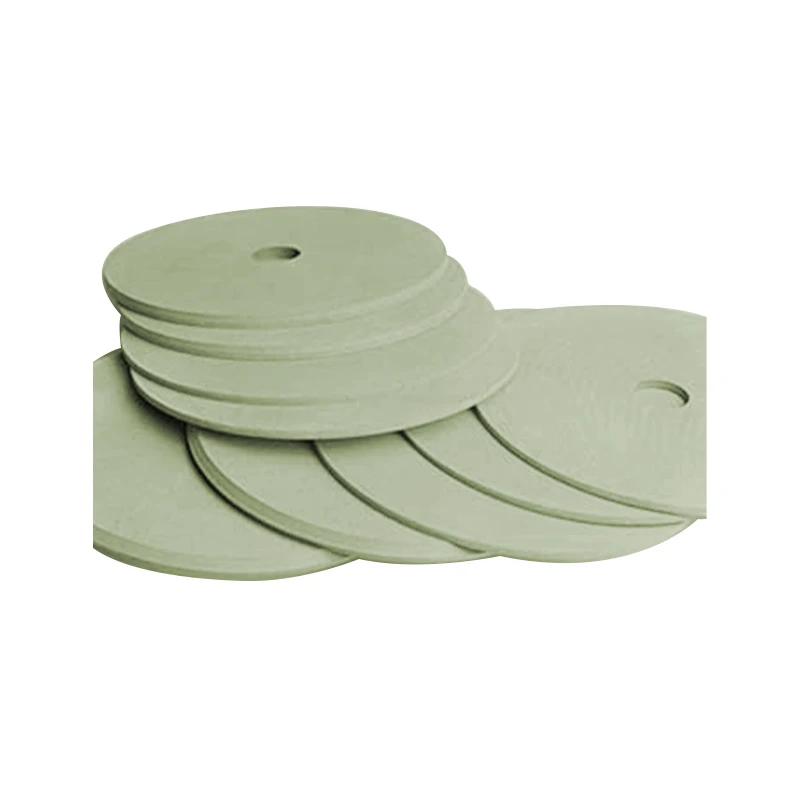
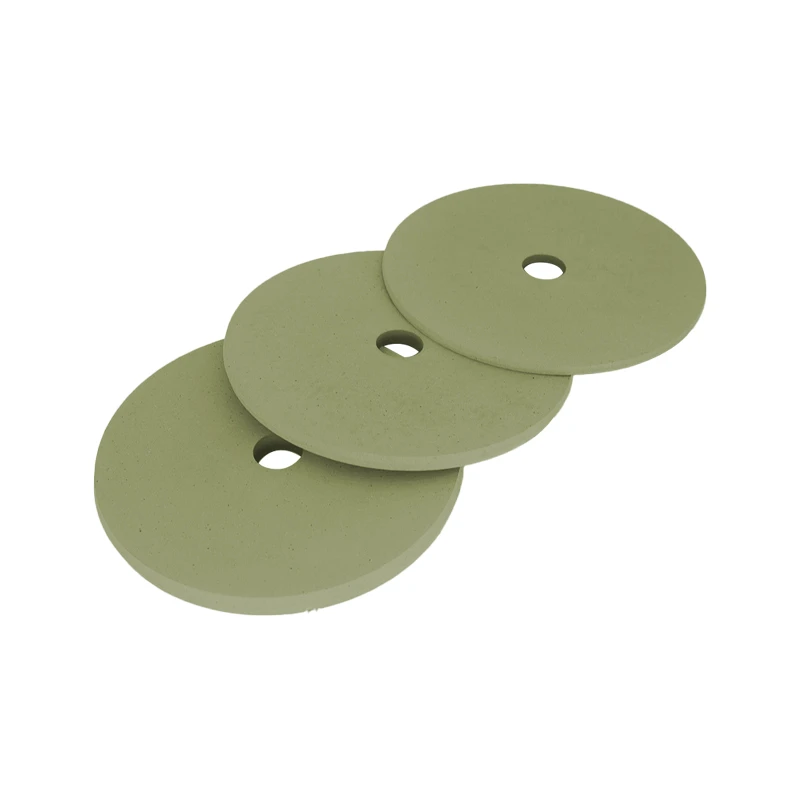
At our company, we offer a wide range of V - carving Polishing Wheels to meet different needs. Our V Shaped Polishing Disc is a popular choice among our customers. It's made from high - quality abrasive materials and is designed to provide consistent and reliable performance. Whether you're working on glass, wood, or other materials, this disc can help you achieve a smooth finish.
Our Glass Groove Polishing Wheel is specifically designed for glass applications. It has a unique shape and abrasive composition that allows it to reach into the V - grooves and polish them effectively. This wheel can help you achieve a perfect mirror - like finish on glass surfaces.
Tips for Achieving the Best Surface Smoothness
Here are some tips to help you get the best results with our V - carving Polishing Wheels:
- Start with the Right Grit: Always begin with a low - grit wheel to remove any excess material and shape the V - groove. Then, gradually work your way up to higher grits for a smoother finish.
- Use the Right Pressure: Apply just enough pressure to the wheel to ensure effective polishing without causing damage to the workpiece. Too much pressure can lead to uneven surfaces and premature wear of the wheel.
- Keep the Wheel Clean: Regularly clean the polishing wheel to remove any debris or buildup. This will ensure that the wheel continues to perform at its best.
- Work in Stages: Don't try to achieve a mirror - like finish in one go. Take your time and work through the different grit levels to gradually improve the surface smoothness.
Contact Us for Your Polishing Needs
If you're interested in purchasing our V - carving Polishing Wheels or have any questions about the surface smoothness they can achieve, don't hesitate to get in touch. We're here to help you find the right solution for your specific needs. Whether you're a professional woodworker, a glass artist, or a DIY enthusiast, we have the products and expertise to assist you.
References
- Smith, J. (2020). "Polishing Techniques for Different Materials". Journal of Surface Finishing, 15(2), 45 - 52.
- Brown, A. (2019). "The Impact of Grit Size on Polishing Quality". Industrial Abrasives Review, 22(3), 67 - 73.