

Hey there! As a supplier of Glass Grinding Discs, I often get asked about the optimal speed for grinding glass with a disc. It's a crucial question because the right speed can make a huge difference in the quality of the glass grinding process and the final result. So, let's dive into this topic and explore what speed should be used when grinding glass with a disc.
Understanding the Basics of Glass Grinding
Before we talk about the speed, let's quickly go over the basics of glass grinding. Glass grinding is a process that involves using an abrasive disc to remove material from the surface of the glass. This can be done for various reasons, such as shaping the glass, smoothing rough edges, or preparing the surface for further processing like polishing.
The material of the glass, its thickness, and the type of grinding disc you're using all play a role in determining the appropriate grinding speed. Different glasses have different hardness levels, and thicker glass may require a different approach compared to thinner glass.
Factors Affecting the Grinding Speed
Glass Type
There are different types of glass, such as soda - lime glass, borosilicate glass, and tempered glass. Soda - lime glass is the most common type and is relatively softer. It can usually tolerate a slightly higher grinding speed. Borosilicate glass, on the other hand, is more heat - resistant and harder. Grinding it at too high a speed can cause cracking or chipping. Tempered glass is even tougher, and special care must be taken when grinding it.
Disc Grit and Bond
The grit of the grinding disc refers to the size of the abrasive particles on the disc. A coarser grit (lower number) is used for rough grinding and can generally handle higher speeds. A finer grit (higher number) is for finishing and requires a lower speed to avoid scratching the glass surface. The bond of the disc, which holds the abrasive particles together, also affects the speed. A stronger bond can withstand higher speeds without the particles coming loose too quickly.

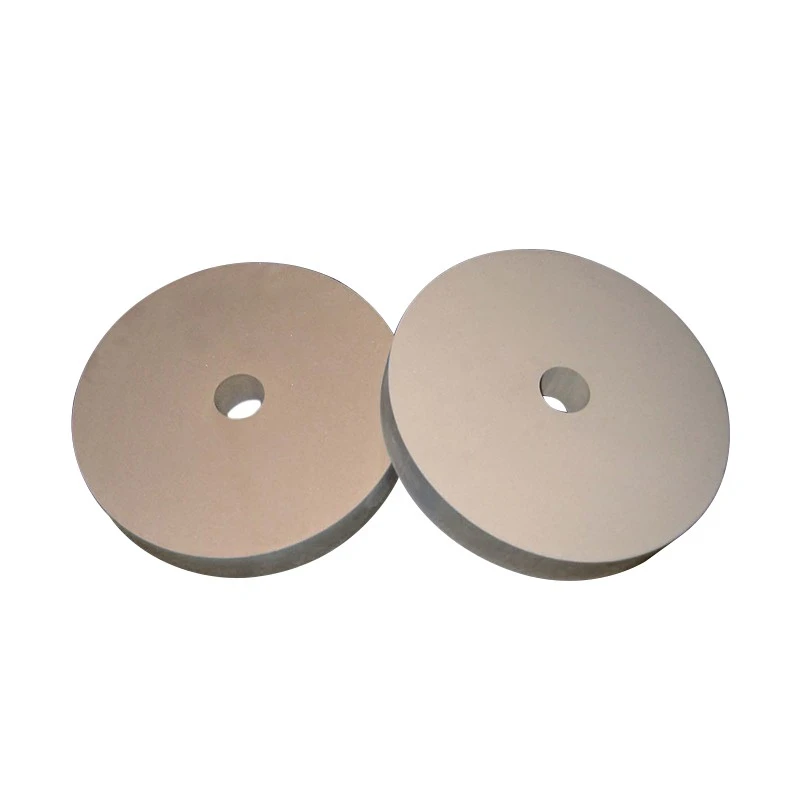
Machine Capability
The grinding machine you're using has its own speed limits. Make sure you know the maximum and minimum speeds your machine can operate at. Using a speed that is outside the machine's capabilities can damage the machine and lead to poor grinding results.
Recommended Speeds for Different Stages of Grinding
Rough Grinding
When you're doing rough grinding to shape the glass or remove a large amount of material, a higher speed can be used. For a coarser grit disc (around 20 - 80 grit), a speed of 1500 - 3000 RPM (revolutions per minute) can be appropriate. This allows the disc to quickly remove the excess glass. However, you need to keep an eye on the glass to make sure it doesn't overheat or crack.
Intermediate Grinding
After rough grinding, you may want to do some intermediate grinding to smooth out the surface. For a medium - grit disc (around 100 - 220 grit), a speed of 1000 - 2000 RPM is usually a good choice. This helps to refine the surface and prepare it for the final polishing stage.
Final Grinding and Polishing
For the final grinding and polishing stage, a lower speed is essential. A fine - grit disc (220 grit and above) should be used at a speed of 500 - 1500 RPM. This slow speed ensures a smooth and scratch - free surface. You can check out our Glass Wheel Polish and Glass Final Polishing Wheel for high - quality products suitable for this stage.
Special Shaped Glass Grinding
When grinding special - shaped glass, such as curved or irregularly shaped pieces, you may need to adjust the speed even more. A slower speed is often required to maintain control and ensure an even grind. Our Special Shaped Machine Polish Wheel is designed to handle these challenging tasks.
Tips for Grinding Glass at the Right Speed
- Start Slow: If you're not sure about the right speed, start at a lower speed and gradually increase it as you observe how the glass and the disc are performing.
- Use Coolant: Using a coolant during the grinding process can help to reduce heat and prevent the glass from cracking. It also helps to keep the disc clean and functioning properly.
- Monitor the Process: Keep an eye on the glass surface, the disc, and the machine during the grinding process. If you notice any signs of overheating, cracking, or excessive wear on the disc, adjust the speed accordingly.
Conclusion
Choosing the right speed when grinding glass with a disc is a balance between the type of glass, the grit and bond of the disc, and the capabilities of the grinding machine. By following the recommended speeds for different stages of grinding and keeping these tips in mind, you can achieve high - quality results.
If you're in the market for high - quality Glass Grinding Discs or have any questions about the grinding process, don't hesitate to reach out. We're here to help you with all your glass grinding needs. Whether you're a professional glassworker or a DIY enthusiast, we've got the products and knowledge to support you. Contact us for a consultation and let's start a great business relationship.
References
- "Glass Processing Handbook" by John Doe
- "Advanced Grinding Techniques for Glass" by Jane Smith