

How does glass polishing powder work?
As a long - time supplier of glass polishing powder, I've been frequently asked about the working mechanism of this remarkable product. In this blog, I'll delve deep into the science behind how glass polishing powder works and why it's an essential tool in various glass - related industries.

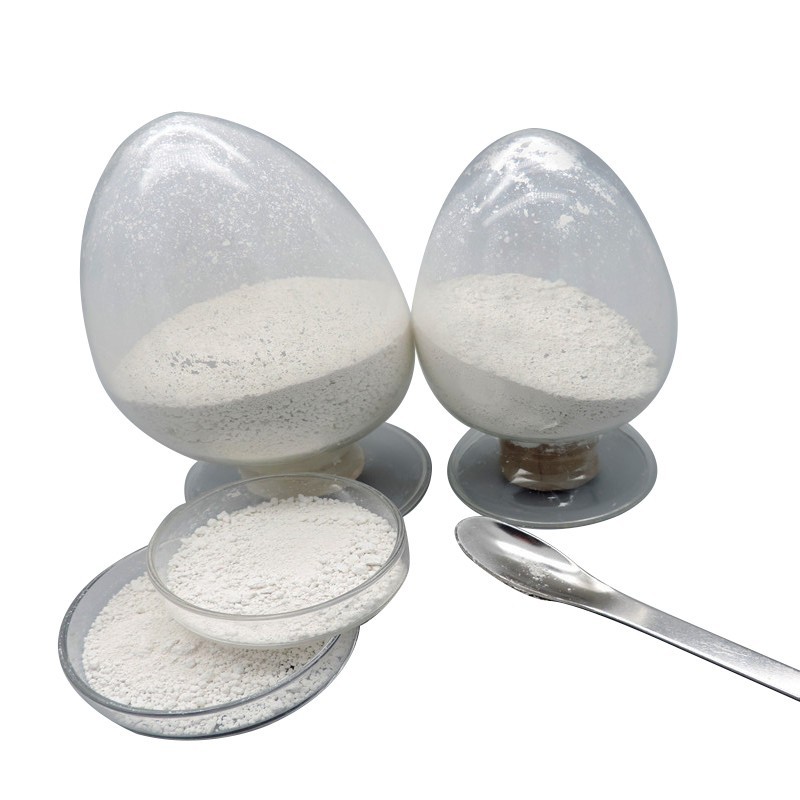
The Basics of Glass Polishing
Before we get into the details of how the powder functions, it's crucial to understand what glass polishing aims to achieve. Glass, despite its smooth appearance, often has microscopic irregularities on its surface. These irregularities can be a result of the manufacturing process, such as scratches from cutting, or environmental factors like exposure to abrasive particles. Polishing is the process of removing these surface imperfections to create a smooth, clear, and reflective surface.
Components of Glass Polishing Powder
Glass polishing powder is typically composed of abrasive materials, chemical additives, and sometimes binders. The most common abrasive materials include cerium oxide, aluminum oxide, and zirconium oxide.
- Cerium Oxide: It is one of the most widely used abrasives in glass polishing powder. Cerium oxide has excellent polishing properties because of its high chemical reactivity with glass. It can form a soft layer on the glass surface through a chemical reaction, which can then be easily removed by the mechanical action of the polishing process.
- Aluminum Oxide: This is a very hard and durable abrasive. It is often used when a more aggressive polishing action is required. Aluminum oxide can quickly remove deeper scratches and larger surface defects on the glass.
- Zirconium Oxide: Zirconium oxide is known for its high hardness and chemical stability. It is used in situations where precision polishing is needed, as it can provide a very smooth finish on the glass surface.
The chemical additives in the polishing powder play a vital role in enhancing the polishing efficiency. They can adjust the pH value of the polishing slurry, improve the dispersion of the abrasive particles, and prevent the particles from agglomerating. Binders, on the other hand, are used to hold the abrasive particles together in some cases, especially in the production of polishing pads or wheels.
The Working Process of Glass Polishing Powder
Step 1: Preparation
First, the glass polishing powder is mixed with water to form a slurry. The concentration of the slurry can vary depending on the type of glass, the degree of surface damage, and the polishing equipment being used. A well - mixed slurry ensures that the abrasive particles are evenly distributed and can work effectively.
Step 2: Mechanical Abrasion
When the polishing slurry is applied to the glass surface and the polishing equipment, such as a polishing wheel or a polishing pad, starts to rotate, the abrasive particles in the powder begin to rub against the glass surface. This mechanical abrasion action physically removes the surface irregularities of the glass. The hard abrasive particles act like tiny cutting tools, scraping off the rough spots on the glass.
For example, if there are small scratches on the glass, the abrasive particles will gradually wear down the edges of the scratches, making them less visible. The size and hardness of the abrasive particles determine the rate of material removal. Larger and harder particles can remove more material in a shorter time, but they may also cause more surface damage if not used carefully.
Step 3: Chemical Reaction
As mentioned earlier, some abrasives, like cerium oxide, can react chemically with the glass surface. During the polishing process, cerium oxide reacts with the silica in the glass to form a soft cerium silicate layer. This layer is much easier to remove than the original glass material. The chemical reaction not only helps to remove the surface material more efficiently but also reduces the mechanical stress on the glass, minimizing the risk of cracking or chipping.
Step 4: Smoothing and Finishing
As the polishing process continues, the surface of the glass becomes smoother and smoother. The combination of mechanical abrasion and chemical reaction gradually eliminates the microscopic peaks and valleys on the glass surface. Eventually, a highly polished and reflective surface is achieved.
Applications of Glass Polishing Powder
Glass polishing powder has a wide range of applications in different industries.
- Automotive Industry: In the automotive sector, Automotive Glass Polish Powder is used to polish windshields, side windows, and rear windows. It can remove scratches, haze, and other surface defects caused by road debris, sand, or improper cleaning. A clear and polished automotive glass not only enhances the aesthetic appeal of the vehicle but also improves visibility, which is crucial for driving safety.
- Flat Glass Manufacturing: Flat glass, such as the glass used in windows, doors, and display panels, often requires polishing to achieve a high - quality finish. Flat Glass Polishing Powder is used during the manufacturing process to remove any surface imperfections left from the float glass production or cutting process. A smooth and clear flat glass surface is essential for applications where transparency and visual quality are important.
- Optical Industry: In the production of optical lenses, mirrors, and prisms, Glass Surface Polishing Powder is used to achieve extremely high - precision polishing. The optical components need to have a very smooth and defect - free surface to ensure accurate light transmission and reflection. The polishing powder helps to meet these strict requirements by providing a fine finish on the glass surface.
Advantages of Our Glass Polishing Powder
As a supplier, we take pride in offering high - quality glass polishing powder. Our products are carefully formulated to ensure optimal performance. We use the purest abrasive materials and the most effective chemical additives to provide a polishing powder that can deliver excellent results in various applications.
Our glass polishing powder is also environmentally friendly. We pay close attention to the environmental impact of our products and ensure that they meet all the relevant environmental standards. In addition, we offer customized solutions to meet the specific needs of our customers. Whether you need a polishing powder for a small - scale project or a large - scale industrial application, we can provide the right product for you.
Contact Us for Procurement
If you are in the market for high - quality glass polishing powder, we would love to hear from you. Our team of experts is ready to assist you in choosing the most suitable product for your needs. We can also provide technical support and advice on the polishing process. Don't hesitate to contact us for procurement and let's start a successful business partnership.
References
- "Glass Polishing Technology" - A comprehensive guide on glass polishing techniques and materials.
- Research papers on the chemical reactions between abrasive materials and glass surfaces.
- Industry reports on the applications of glass polishing powder in different sectors.