

Matching a glass final polishing wheel with a polishing machine is a crucial process that can significantly impact the quality and efficiency of glass polishing operations. As a supplier of high - quality glass final polishing wheels, I understand the importance of this match and am here to share some valuable insights.
Understanding the Basics of Glass Final Polishing Wheels and Polishing Machines
Before delving into the matching process, it's essential to have a clear understanding of both glass final polishing wheels and polishing machines.
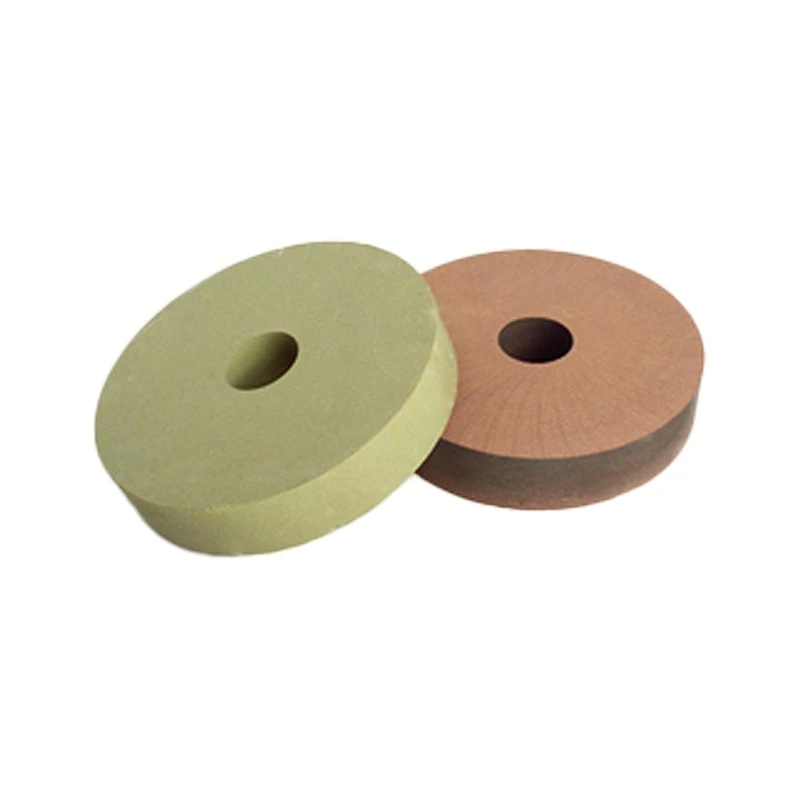
Glass final polishing wheels come in various types, each designed for specific polishing tasks. For instance, the BD Polishing Disc is known for its excellent cutting ability and smooth finish. It can quickly remove scratches and imperfections on the glass surface, leaving it with a high - gloss shine. The Durable BD Polishing Wheel is engineered to be long - lasting, making it a cost - effective choice for large - scale glass polishing projects. And the Glass Buffing Wheel is ideal for the final stage of polishing, where a mirror - like finish is desired.
Polishing machines also vary in terms of their power, speed, and functionality. Some are designed for small - scale, precision work, while others are built for high - volume production. The key is to select a polishing wheel that is compatible with the capabilities of your polishing machine.
Factors to Consider When Matching a Polishing Wheel with a Machine
1. Machine Speed
The speed of the polishing machine is a critical factor. Different polishing wheels are designed to operate at specific speed ranges. If the machine runs too fast for the wheel, it can cause excessive heat generation, which may damage the wheel and the glass. On the other hand, if the speed is too slow, the polishing process will be inefficient, and the desired finish may not be achieved.
For example, some high - performance glass final polishing wheels are designed to work at speeds between 1500 - 3000 RPM. Before purchasing a wheel, check the manufacturer's specifications to ensure that it can handle the speed of your machine. If your machine has variable speed settings, you can adjust the speed according to the requirements of the polishing wheel.
2. Wheel Size
The size of the polishing wheel must be compatible with the machine. A wheel that is too large may not fit properly on the machine, while a wheel that is too small may not cover the entire glass surface effectively. Measure the spindle size of your polishing machine and select a wheel with the appropriate arbor hole size. Additionally, consider the diameter of the wheel. Larger wheels are generally more suitable for larger glass pieces and high - volume production, while smaller wheels are better for detailed work and smaller glass items.
3. Polishing Pressure
The amount of pressure applied during the polishing process also affects the choice of the polishing wheel. Some wheels are designed to work under high pressure, while others are more suitable for low - pressure applications. High - pressure wheels are typically more aggressive and can remove material more quickly, but they may also cause more scratches if not used correctly. Low - pressure wheels are gentler and are better for achieving a fine finish.
Understand the pressure capabilities of your polishing machine and select a wheel that can withstand or perform optimally under that pressure. Some machines allow you to adjust the pressure, which gives you more flexibility in choosing the right wheel.
4. Type of Glass
The type of glass being polished is another important consideration. Different types of glass, such as float glass, tempered glass, and laminated glass, have different hardness and surface characteristics. Softer glasses may require a less aggressive polishing wheel to avoid scratching, while harder glasses can tolerate more abrasive wheels.
For example, when polishing tempered glass, which is harder and more resistant to scratches, you can use a more aggressive Durable BD Polishing Wheel to achieve a faster and more efficient polishing process. In contrast, for delicate float glass, a gentler Glass Buffing Wheel may be more appropriate.
5. Polishing Stage
The stage of the polishing process also influences the choice of the wheel. There are typically three stages in glass polishing: rough polishing, intermediate polishing, and final polishing.
During the rough polishing stage, you need a wheel with high cutting ability to remove large scratches and unevenness. The BD Polishing Disc is a great choice for this stage. In the intermediate polishing stage, a wheel that can refine the surface and reduce the depth of scratches is required. For the final polishing stage, a wheel that can produce a mirror - like finish, such as the Glass Buffing Wheel, is essential.
Testing and Optimization
Once you have selected a glass final polishing wheel based on the above factors, it's important to conduct some tests. Start with a small piece of glass similar to the ones you will be polishing in production. Observe the polishing results, including the finish quality, the amount of material removed, and the heat generated.

If the results are not satisfactory, you may need to make some adjustments. You can try changing the speed, pressure, or even the type of wheel. Keep a record of the test results and the settings used, which will help you optimize the polishing process over time.
Maintenance and Long - term Considerations
Proper maintenance of both the polishing wheel and the machine is crucial for long - term performance. Regularly clean the wheel to remove any debris or polishing compound buildup. This will ensure that the wheel continues to function effectively and produce consistent results.
Inspect the machine regularly for any signs of wear or damage. Replace any worn - out parts promptly to avoid any negative impact on the polishing process. Also, store the polishing wheels in a dry and clean environment to prevent damage.
Conclusion
Matching a glass final polishing wheel with a polishing machine is a complex but essential process. By considering factors such as machine speed, wheel size, polishing pressure, type of glass, and polishing stage, you can select the right wheel for your machine and achieve high - quality polishing results.
As a leading supplier of glass final polishing wheels, we offer a wide range of products to meet your specific needs. Whether you are looking for a BD Polishing Disc for rough polishing or a Glass Buffing Wheel for the final touch, we have the perfect solution for you.
If you are interested in our products or need more information on matching polishing wheels with your machines, please feel free to contact us. We are committed to providing you with the best products and professional advice to help you optimize your glass polishing operations.
References
- Smith, J. (2020). Glass Polishing Technology: Principles and Practices. Publisher: GlassTech Press.
- Brown, A. (2019). The Art of Glass Finishing: Selecting the Right Polishing Tools. Journal of Glass Manufacturing, 15(2), 45 - 52.