

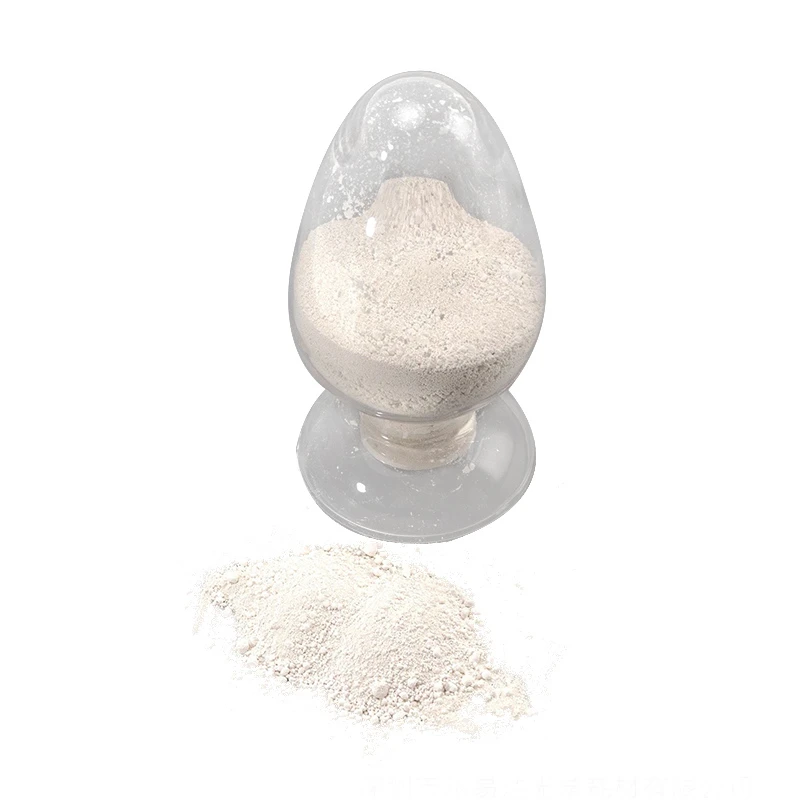
As a trusted glass polishing powder supplier, I understand the importance of proper storage to maintain the quality and effectiveness of our products. Glass polishing powder, whether it's Rare Earth Polishing Powder, Cerium Oxide Glass Polish, or Cerium Oxide Polish, is a valuable commodity in the glass - processing industry. One of the most common problems faced by users is the hardening of the powder, which can render it useless and lead to unnecessary waste and costs. In this blog, I'll share some scientific and practical tips on how to store glass polishing powder to prevent it from hardening.
Understanding the Causes of Hardening
Before delving into the storage methods, it's crucial to understand why glass polishing powder hardens. The primary culprit is moisture. Glass polishing powder is highly hygroscopic, meaning it readily absorbs water from the surrounding environment. When moisture comes into contact with the powder, it can cause the particles to clump together and form hard masses.
Another factor is chemical reactions. Some glass polishing powders may react with certain gases in the air, such as carbon dioxide or sulfur dioxide, especially in industrial environments. These reactions can change the chemical composition of the powder and lead to hardening. Additionally, improper handling, such as leaving the powder exposed for extended periods or mixing it with contaminants, can also contribute to the hardening process.
Ideal Storage Conditions
Temperature
The storage temperature plays a significant role in preventing the hardening of glass polishing powder. Generally, a cool and stable temperature is recommended. Most glass polishing powders should be stored at temperatures between 10°C and 30°C (50°F - 86°F). Extreme temperatures can have adverse effects. High temperatures can accelerate chemical reactions and increase the rate of moisture evaporation, which may cause the powder to dry out and harden. On the other hand, very low temperatures can cause moisture in the air to condense on the powder, leading to clumping.
It's also important to avoid sudden temperature changes. For example, moving the powder from a cold storage area to a warm and humid environment can cause moisture to condense on the powder surface. If possible, store the powder in an area with temperature - controlled conditions, such as a climate - controlled warehouse.
Humidity
Humidity is perhaps the most critical factor in preventing powder hardening. The relative humidity in the storage area should be kept below 60%. A dehumidifier can be a valuable tool in maintaining low humidity levels, especially in areas with high ambient humidity.
Sealed containers are essential for protecting the powder from moisture. When the powder is not in use, it should be stored in air - tight containers made of materials such as plastic or metal. These containers can effectively prevent moisture from entering and keep the powder dry. Additionally, adding desiccants inside the containers can further absorb any residual moisture. Silica gel is a commonly used desiccant that can be placed in small bags and added to the powder containers.
Ventilation
Proper ventilation is necessary to prevent the accumulation of harmful gases in the storage area. However, the ventilation should be carefully controlled to avoid introducing excessive moisture. A well - ventilated area can help remove any gases that may react with the powder and cause hardening. It's important to ensure that the ventilation system does not draw in air from areas with high humidity or contaminants.
Storage Containers and Packaging
Container Selection
The choice of storage container is crucial. As mentioned earlier, air - tight containers are preferred. Plastic containers with tight - fitting lids are a popular choice due to their low cost, lightweight, and resistance to corrosion. Metal containers can also be used, but they should be made of materials that are resistant to rust and corrosion, such as stainless steel.
The size of the container should be appropriate for the amount of powder being stored. Using a container that is too large can leave a large amount of air space inside, which can increase the risk of moisture accumulation. It's better to use containers that are just large enough to hold the powder with a small amount of extra space.
Packaging
When the powder is initially packaged, it should be done in a clean and dry environment. The packaging should provide an additional layer of protection. For example, many glass polishing powders are first packed in sealed plastic bags and then placed inside larger containers. This double - layer packaging can better protect the powder from moisture and physical damage.
Handling and Maintenance
Proper Handling
Proper handling during storage and use is essential. When taking the powder out of the container, use clean and dry tools. Avoid using wet or dirty scoops, as they can introduce moisture and contaminants to the powder. After using the powder, immediately close the container tightly to prevent moisture from entering.
If the powder needs to be transferred from one container to another, make sure both containers are clean and dry. It's also important to avoid over - filling the containers, as this can make it difficult to seal them properly.

Regular Inspections
Regularly inspect the stored powder for any signs of hardening or clumping. If you notice any small clumps, gently break them up using a clean and dry tool. However, if the powder has hardened significantly, it may no longer be suitable for use.
Keep records of the storage conditions, including temperature, humidity, and the date of storage. This information can help you identify any potential issues and take corrective actions in a timely manner.
Conclusion
Proper storage of glass polishing powder is essential to prevent it from hardening and maintain its quality and effectiveness. By controlling the temperature, humidity, and ventilation, using appropriate storage containers and packaging, and following proper handling and maintenance procedures, you can significantly reduce the risk of powder hardening.
If you are in the market for high - quality glass polishing powder or have any questions about storage or product performance, we are here to help. Our team of experts can provide you with detailed information and guidance. We look forward to the opportunity to discuss your specific needs and assist you in finding the best glass polishing powder solutions for your business. Contact us today to start the procurement discussion.
References
- "Handbook of Glass Polishing Materials" - A comprehensive guide on the properties and storage requirements of glass polishing powders.
- "Environmental Factors Affecting the Quality of Industrial Powders" - A research paper that explores the impact of temperature, humidity, and gases on powder quality.
- "Best Practices for Powder Storage in the Glass Industry" - Industry - specific guidelines for storing glass - related powders.