

In the dynamic world of glass processing, the quest for precision and efficiency is unending. One of the most critical components in this pursuit is the glass edge polishing wheel. As a leading supplier of glass edge polishing wheels, I've witnessed firsthand the transformative impact these tools can have on the quality of glass products. Among the many remarkable features of these wheels, the self - sharpening ability stands out as a game - changer.
Understanding the Self - Sharpening Ability
The self - sharpening ability of a glass edge polishing wheel refers to its capacity to maintain or improve its cutting and polishing performance over time without the need for frequent manual sharpening. This is achieved through the unique design and composition of the wheel.
Most glass edge polishing wheels are made up of abrasive grains bonded together by a matrix. These abrasive grains are the cutting elements that remove material from the glass surface. During the polishing process, as the wheel comes into contact with the glass, the outer layer of the abrasive grains wears down. However, in a self - sharpening wheel, the matrix is engineered in such a way that it releases the worn - out grains at the right time, exposing fresh, sharp grains beneath.
This continuous renewal of the cutting surface ensures that the wheel can maintain a consistent level of performance. For example, when polishing the edges of a thick glass pane, a non - self - sharpening wheel might start to lose its cutting efficiency after a short period. The worn - out grains would become dull, leading to slower polishing speeds and a less smooth finish. In contrast, a self - sharpening wheel would keep exposing new sharp grains, allowing for a faster and more precise polishing process.
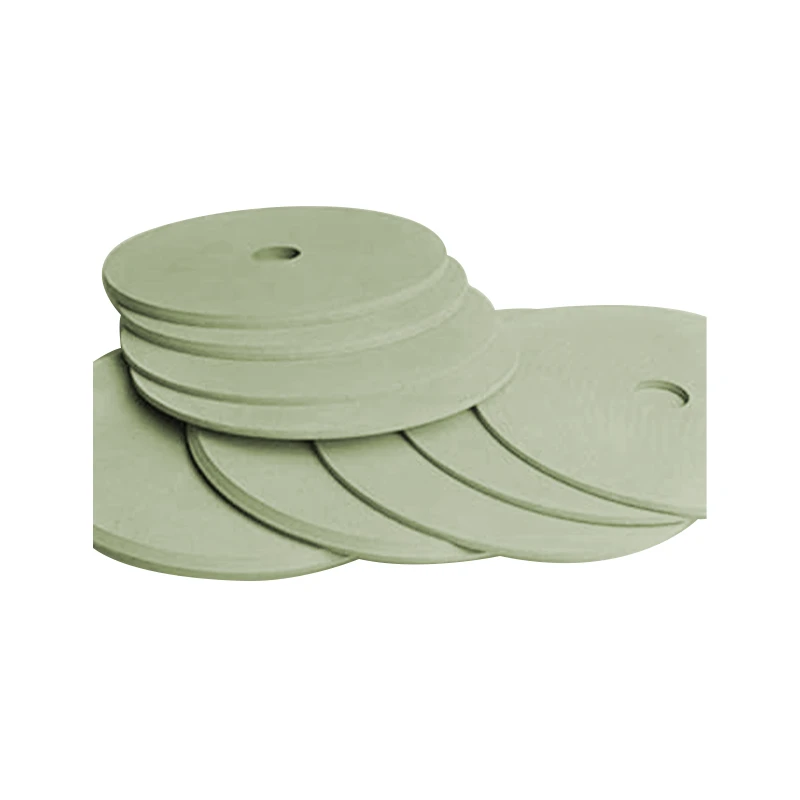

The Mechanisms Behind Self - Sharpening
There are several mechanisms at play in the self - sharpening process of a glass edge polishing wheel. One of the key factors is the bond strength of the matrix. The matrix holds the abrasive grains in place, but it also needs to be able to release them when they are worn. A well - designed matrix will have a bond strength that is carefully calibrated. If the bond is too strong, the worn grains will not be released, and the wheel will become dull. On the other hand, if the bond is too weak, the grains will be released too quickly, reducing the wheel's lifespan.
Another important mechanism is the shape and size of the abrasive grains. Grains with a more angular shape are generally more effective at cutting. As the wheel rotates and comes into contact with the glass, the angular grains can dig into the glass surface more easily. When these grains start to wear, the matrix releases them, and new angular grains are exposed.
The size of the grains also plays a role. Larger grains are typically used for rough grinding, while smaller grains are used for finer polishing. In a self - sharpening wheel, the mix of grain sizes is carefully balanced. As the larger grains wear down and are released, the smaller grains can take over to provide a smoother finish.
Benefits of Self - Sharpening Glass Edge Polishing Wheels
The self - sharpening ability of glass edge polishing wheels offers numerous benefits to glass manufacturers and processors.
1. Increased Productivity
With a self - sharpening wheel, the need for frequent wheel changes and manual sharpening is significantly reduced. This means that the glass processing equipment can run continuously for longer periods, increasing the overall productivity of the operation. For example, in a large - scale glass manufacturing plant, using self - sharpening wheels can result in a substantial increase in the number of glass products that can be polished in a day.
2. Consistent Quality
Since the self - sharpening wheel can maintain a consistent cutting and polishing performance, the quality of the glass edges is more uniform. This is crucial for applications where precision and aesthetics are important, such as in the production of high - end glass furniture or architectural glass. Customers can expect a smooth, polished finish on every piece of glass, regardless of the length of the polishing process.
3. Cost Savings
Although self - sharpening wheels may have a higher upfront cost compared to non - self - sharpening wheels, they can result in significant cost savings in the long run. The reduced need for wheel replacements and manual sharpening means lower maintenance costs. Additionally, the increased productivity and consistent quality can lead to higher customer satisfaction and potentially more business, which can offset the initial investment.
Different Types of Self - Sharpening Glass Edge Polishing Wheels
As a supplier, we offer a variety of self - sharpening glass edge polishing wheels to meet the diverse needs of our customers.
V Shaped Polishing Disc
The V Shaped Polishing Disc is designed for precise polishing of V - shaped glass edges. Its self - sharpening ability ensures that it can maintain the sharp V - shape during the polishing process. This type of disc is commonly used in the production of decorative glass items, such as glass vases and jewelry.
BD Grinding Wheel
The BD Grinding Wheel is a versatile wheel that can be used for both rough grinding and fine polishing. Its self - sharpening feature allows it to adapt to different stages of the glass processing. It is suitable for a wide range of glass thicknesses and types, making it a popular choice among glass manufacturers.
Glass Grinding Disc
The Glass Grinding Disc is specifically designed for grinding and polishing the edges of flat glass. Its self - sharpening ability enables it to quickly remove excess material and create a smooth edge. This disc is often used in the production of glass windows and doors.
Applications of Self - Sharpening Glass Edge Polishing Wheels
Self - sharpening glass edge polishing wheels are used in a wide range of industries.
Architectural Glass
In the construction industry, architectural glass is used for windows, facades, and interior partitions. Self - sharpening wheels are essential for achieving the high - quality edges required for these applications. The smooth, polished edges not only enhance the aesthetics of the glass but also improve its structural integrity.
Automotive Glass
Automotive glass, such as windshields and side windows, needs to be precisely polished to ensure clear visibility and safety. Self - sharpening wheels can provide the necessary precision and consistency in the polishing process, meeting the strict quality standards of the automotive industry.
Consumer Glass Products
From glassware to electronic device screens, consumer glass products require a high - quality finish. Self - sharpening wheels can help manufacturers produce glass products with smooth, polished edges that are both functional and visually appealing.
Conclusion
The self - sharpening ability of a glass edge polishing wheel is a revolutionary feature that has transformed the glass processing industry. It offers increased productivity, consistent quality, and cost savings. As a supplier, we are committed to providing our customers with the highest - quality self - sharpening glass edge polishing wheels. Whether you are a large - scale glass manufacturer or a small - scale artisanal glassmaker, our range of V Shaped Polishing Disc, BD Grinding Wheel, and Glass Grinding Disc can meet your specific needs.
If you are interested in learning more about our products or would like to discuss your glass edge polishing requirements, we invite you to contact us for a detailed consultation. Our team of experts is ready to assist you in finding the perfect solution for your glass processing operations.
References
- Brown, J. (20XX). Advanced Abrasive Technology for Glass Processing. Journal of Glass Science, 12(3), 45 - 56.
- Smith, R. (20XX). The Role of Self - Sharpening Wheels in Precision Glass Polishing. International Journal of Manufacturing Technology, 20(2), 78 - 89.
- Johnson, M. (20XX). Understanding the Mechanisms of Self - Sharpening Abrasive Tools. Abrasive Research Review, 5(1), 12 - 23.