

As a well - established supplier of glass grinding wheels, I've encountered a wide range of technical issues from our customers over the years. Troubleshooting problems with a glass grinding wheel is crucial for maintaining efficiency and achieving high - quality glass processing results. In this blog, I'll share some practical methods and insights based on our real - world experiences to help you solve common problems with your glass grinding wheels.
1. Poor Grinding Performance
One of the most common issues is poor grinding performance, which can manifest as slow grinding speed, uneven grinding, or an inability to achieve the desired surface finish.
Worn - out Abrasive Grains
Over time, the abrasive grains on the grinding wheel wear down. When this happens, the wheel loses its cutting ability. You can visually inspect the wheel surface. If the grains look dull and smooth rather than sharp, it's a sign of wear.
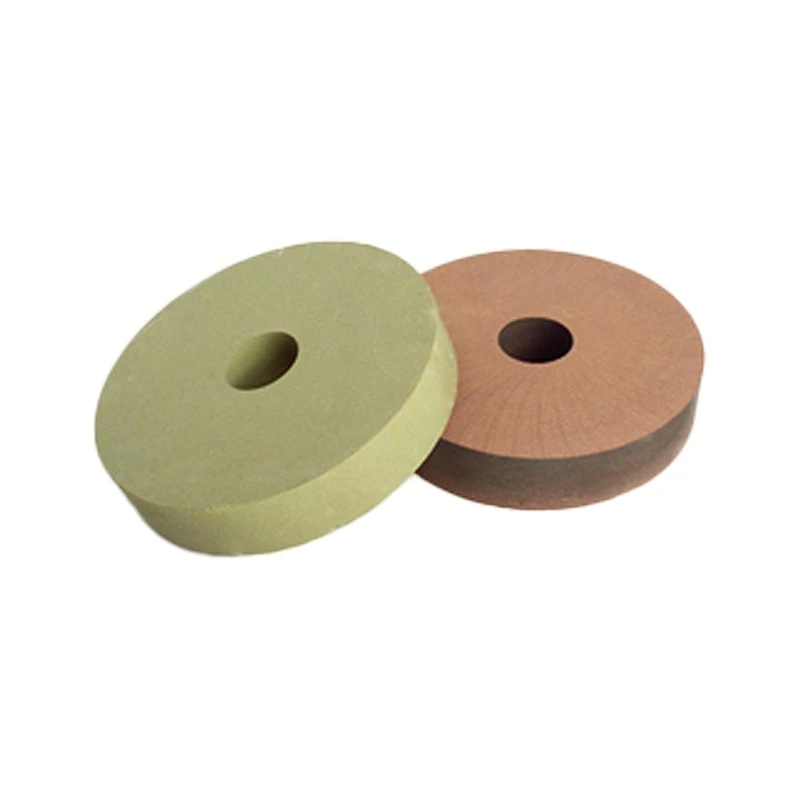
Solution: Replace the grinding wheel. As a supplier, we offer a variety of high - quality Glass Edge Polishing Wheel that are designed to provide long - lasting abrasive performance. These wheels are made with premium abrasive materials that can maintain sharpness for an extended period, ensuring efficient and consistent grinding.
Incorrect Wheel Speed
Using the wrong rotational speed can also lead to poor grinding performance. If the speed is too low, the wheel may not cut effectively, while a speed that is too high can cause overheating and premature wear of the wheel.
Solution: Refer to the manufacturer's specifications for the recommended speed range of the grinding wheel. Most of our products come with clear speed guidelines. Additionally, make sure your grinding machine is capable of maintaining a stable speed within the specified range. Regularly check the speed settings and adjust them if necessary.
Improper Wheel Dressing
Wheel dressing is the process of restoring the cutting ability of the grinding wheel by removing the dulled abrasive grains and exposing fresh ones. If the wheel is not dressed properly or frequently enough, it can lead to poor grinding.
Solution: Use a suitable dressing tool, such as a diamond dresser, to dress the wheel regularly. The frequency of dressing depends on the type of grinding operation and the material being processed. For heavy - duty grinding, more frequent dressing may be required. When dressing, follow the correct procedure to ensure an even and smooth wheel surface.
2. Excessive Wheel Wear
Excessive wheel wear can not only increase costs due to frequent wheel replacements but also affect the quality of the glass processing.
Incompatible Grinding Conditions
Using the wrong grinding parameters, such as high feed rates or excessive pressure, can cause the wheel to wear out quickly. Also, grinding materials that are too hard or abrasive for the wheel can accelerate wear.
Solution: Adjust the grinding parameters to match the capabilities of the wheel. Reduce the feed rate and grinding pressure if necessary. Select the appropriate wheel grade for the material you are grinding. Our Durable BD Polishing Wheel is designed to be suitable for a variety of glass materials, providing a good balance between grinding performance and durability under different grinding conditions.
Lack of Coolant
Coolant plays a vital role in reducing heat generated during grinding. Without proper cooling, the wheel can overheat, leading to thermal damage and increased wear.
Solution: Ensure that the coolant system is working properly. Check the coolant level, flow rate, and nozzle alignment regularly. Use a high - quality coolant that is specifically formulated for glass grinding. The coolant not only cools the wheel but also helps to remove the grinding debris, preventing it from clogging the wheel surface.
Contamination
Contamination of the grinding wheel with foreign particles, such as metal chips or dirt, can cause uneven wear and reduce the wheel's lifespan.
Solution: Keep the grinding area clean. Use a magnetic separator or a filter in the coolant system to remove metal chips. Clean the wheel regularly to prevent the accumulation of dirt and debris. When handling the wheel, make sure your hands and tools are clean to avoid introducing contaminants.
3. Vibration and Noise
Excessive vibration and noise during grinding can indicate serious problems with the wheel or the grinding machine.
Unbalanced Wheel
An unbalanced wheel can cause vibration, which not only affects the quality of the grinding but also puts additional stress on the grinding machine.
Solution: Use a wheel balancing device to check and balance the wheel. Most modern grinding wheels come with balancing holes or features to make this process easier. If the wheel is severely unbalanced, it may need to be replaced. Regularly check the balance of the wheel, especially after dressing or when changing the grinding conditions.
Loose Mounting
If the wheel is not properly mounted on the grinding machine, it can cause vibration and noise. Loose mounting can also lead to safety hazards.
Solution: Check the mounting bolts and nuts regularly to ensure they are tightened to the correct torque. Follow the manufacturer's instructions for mounting the wheel. Make sure the wheel is centered and aligned correctly on the spindle.
Machine Malfunction
Problems with the grinding machine, such as a worn - out spindle bearing or a misaligned drive system, can also cause vibration and noise.
Solution: Conduct a comprehensive inspection of the grinding machine. Check the spindle bearings for wear and replace them if necessary. Align the drive system to ensure smooth operation. If you are unsure about the cause of the problem, it's advisable to consult a professional technician.
4. Surface Defects on Glass
Surface defects on the glass after grinding, such as scratches, cracks, or uneven surfaces, can be a major headache.
Dull Wheel
A dull wheel can cause scratches on the glass surface as it may not be able to cut smoothly.
Solution: As mentioned earlier, replace the wheel if it is dull. Our Durable V Shaped Polishing Wheel has a unique shape and structure that allows for precise and smooth grinding, reducing the risk of surface scratches.
Incorrect Grinding Pressure
Applying too much or too little pressure during grinding can result in surface defects. Excessive pressure can cause cracks, while insufficient pressure may lead to uneven grinding.
Solution: Adjust the grinding pressure according to the type of glass and the grinding operation. Use a pressure gauge if available to ensure consistent and appropriate pressure. Start with a lower pressure and gradually increase it while monitoring the grinding results.
Contaminated Coolant
Contaminated coolant can carry abrasive particles that scratch the glass surface.
Solution: Regularly change the coolant and clean the coolant tank. Use a filter to remove contaminants from the coolant. Make sure the coolant is free from debris and has the correct chemical composition.

In conclusion, troubleshooting problems with a glass grinding wheel requires a systematic approach. By understanding the common issues and their solutions, you can improve the performance and lifespan of your grinding wheels, as well as the quality of your glass processing. If you are facing any difficulties with your glass grinding wheels or need more information about our products, don't hesitate to contact us for a procurement discussion. We are committed to providing you with the best solutions and high - quality products to meet your glass processing needs.
References
- Glass Grinding Technology Handbook
- Abrasive Materials and Their Applications in Glass Processing