


Common glass processing Processes
1. Selection of raw materials: Firstly, for glass processing, it is necessary to have glass raw materials. Ordinary glass processing factories do not produce raw materials, and usually only large glass companies produce raw materials. The thickness of glass wafers also varies. For glass used in the production of displays, thicknesses between 1mm, 2mm, and 3mm are generally chosen. Due to the high transparency requirements of digital products, ultra white glass is preferred.
2. Glass size cutting: The size of the original piece itself is very large, usually over three meters long and two meters wide. Cutting can be said to be the first step in glass processing, and the staff will calculate how to cut this piece of raw material based on the dimensions on the customer's drawing. This algorithm must take into account the size consumed by the glass edge later on. Therefore, there is also the term 'tolerance'.
3. Glass edge grinding and chamfering: Freshly cut glass will scratch the hands, and the glass edges will be very sharp. Customers will also require edge grinding, but there are two types of edges: frosted edges and glossy edges. The frosted edges installed in the frame are sufficient to reduce costs. Polishing glossy edges is what customers require for glass aesthetics. After edge grinding, it is chamfering, and there are also specialized chamfering machines that can accurately pour out the desired R angle.
Glass edge polishing generally requires the following steps
1. Rough grinding
Rough grinding is the first step in glass polishing, and commonly used tools include metal diamond grinding wheels, which aim to trim the edges of the glass and achieve a good foundation of flatness.
2. Fine grinding
Fine grinding is the second step in glass polishing, which generally requires a resin grinding wheel to remove larger scratches on the edges of the glass and make the rough ground surface smoother and smoother.
3. Polishing
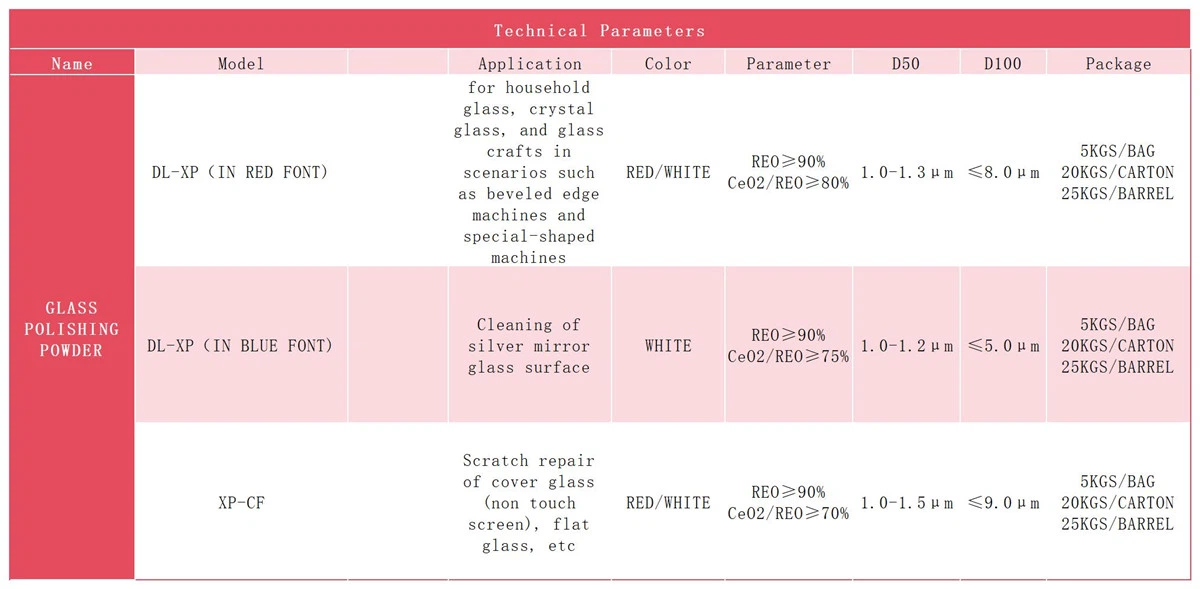
Polishing is the final step in glass polishing, aimed at achieving a very smooth surface and enhancing its brightness. Usually, wool wheels are used in combination with cerium oxide polishing powder solution to achieve this.
FAQ
Hot Tags: fine glass polishing powder, China fine glass polishing powder manufacturers, suppliers, factory, Glass Edge Polishing Powder, Durable V Shaped Polishing Wheel, Glass Surface Polishing Powder, Glass Wheel Polish, Detailed Engraving Glass Polishing Wheel, BD Industrial Polishing Wheel